How to Propagate Basket of gold?
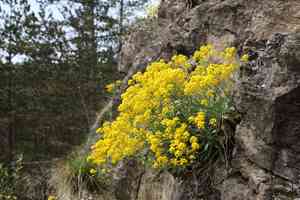
The optimal period for propagating basket of gold is in Spring and Summer by means of cuttings. This plant presents a moderate challenge in terms of propagation. Evidence of successful propagation includes the emergence of new roots and shoots. Ensure elevated humidity levels to facilitate the cuttings' development.
Optimal Time for Basket Of Gold Propagation
Propagation Type
Cutting
Propagation Season
Spring, Summer
Tools Required for Basket Of Gold Propagation
Secateurs or Pruning Shears
These instruments are utilized for harvesting cuttings from basket of gold. Their sharp, clean blades ensure precise cuts that do not crush stems, which is crucial for proper healing and rooting.
Rooting Hormone Powder or Gel
This compound promotes root development on basket of gold cuttings. Dipping the cut end into the hormone stimulates root formation, increasing the likelihood of successful propagation.
Sterile Potting Mix
A sterile potting medium is vital for basket of gold cuttings to prevent disease or fungal infections. The mix should offer good drainage and aeration to support root growth.
Propagation Tray or Pots
These containers are used for planting basket of gold cuttings. They must have drainage holes to allow excess water to escape, preventing root rot.
Plastic Dome or Cover
A transparent plastic dome or cover can establish a greenhouse-like environment around basket of gold cuttings, maintaining high humidity and encouraging rooting.
Misting Bottle
Regular misting provides basket of gold cuttings with necessary humidity without overwatering, helping to prevent issues like damping-off.
Heating Mat (Optional)
For colder climates or to accelerate rooting, a heating mat can be placed beneath the propagation tray to keep basket of gold cuttings at an optimal temperature.
Sterilizing Agent
This is used to sanitize tools before taking basket of gold cuttings, which is essential to prevent disease spread and ensure cutting health.
Method for Propagating Basket Of Gold
Propagation Type
Cutting
Difficulty Level
Easy
Post-Propagation Care for Basket Of Gold
How to Care for Your Newly Propagated Basket Of Gold?
After propagation, care for basket of gold by planting it in a location with full sun to partial shade, in well-draining soil. Water young plants regularly until established, but avoid overwatering as basket of gold is drought-tolerant once mature. Fertilizing is generally not needed for basket of gold, but a light feeding with a balanced fertilizer can be applied in spring. Prune spent flowers to encourage more blooms, and provide winter protection in colder regions. As basket of gold prefers alkaline soils, a lime top dressing can be beneficial in acidic soils.
Common Errors to Avoid When Propagating Basket Of Gold
Overwatering
Excessive watering can lead to root rot in basket of gold, which thrives in well-draining soil. Too much moisture can also promote fungal diseases, negatively impacting the plant's health and its ability to establish new growth.
Deep planting
Planting basket of gold cuttings or seeds too deeply can hinder their ability to sprout and establish. Basket of gold requires light for optimal seed germination, and cuttings need sufficient air circulation to form roots without rotting.
Neglecting to harden off
Failing to acclimate basket of gold to outdoor conditions before planting them out can shock the plants, resulting in stunted growth or death. This process is vital for the plant to adjust to its new growing conditions.
Advice for Propagating Basket Of Gold
Soil preparation
Prepare a well-draining soil mix for basket of gold that mimics its natural rocky habitat. Amending the soil with sand or small gravel can enhance drainage and create an ideal environment for roots to develop.
Adequate spacing
Provide ample space between basket of gold's propagules to ensure adequate air circulation. This minimizes the risk of fungal diseases and allows individual plants enough room to grow without competition for resources.
Light exposure
Ensure basket of gold's seeds are sown on the soil surface or lightly covered with a thin layer of soil to receive the light necessary for germination. For cuttings, provide bright, indirect light to encourage rooting without the stress of direct sunlight.



