How to Prune Parachute plant?
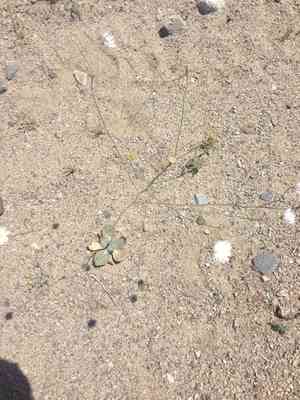
This unique plant, characterized by its wide leaves, thrives with meticulous trimming to stimulate robust development. Remove any withered or compromised leaves mainly in the spring or early summer to foster sound growth. In autumn, a gentle trim assists in preserving its form and eliminating any faded blooms, thereby channeling the plant's vitality toward enduring its dormant period. Consistent trimming also improves air circulation and lowers the likelihood of illness. All implements must be disinfected to avert contamination, thereby maximizing the health and visual appeal of parachute plant.
What Are the Benefits of Pruning Parachute Plant?
What Are the Benefits of Pruning Parachute Plant?
Trimming parachute plant encourages robust development and helps maintain its desired shape, ensuring a compact and attractive appearance while promoting optimal health and vigor.
What Is the Best Time for Pruning Parachute Plant?
What Is the Best Time for Pruning Parachute Plant?
Pruning in late Spring coincides with parachute plant's post-dormancy revitalization period, which stimulates new growth and helps sustain plant vitality. Early Summer trimming ensures that any winter frost damage can be removed, and it aids in shaping parachute plant during its active growth phase. Early Fall pruning is beneficial because it prepares parachute plant for dormancy, eliminates any diseased or damaged growth from the summer, and lessens the risk of frost damage to fresh cuts during winter. Pruning should be avoided in late Fall or Winter, as new growth is vulnerable to frost damage. These guidelines prioritize the well-being of parachute plant, supporting its natural growth cycle, and enhancing its flowering or fruiting capabilities.
What Tools Do I Need to Prune Parachute Plant?
Precision Pruners or Snips
Precision pruners or snips are ideal for parachute plant due to its delicate nature. These instruments allow for careful selection and removal of unwanted stems without harming the surrounding foliage.
Hand Pruners
For slightly thicker stems and routine upkeep, hand pruners provide a clean cut that will ensure the healthy development of parachute plant.
Gloves
To safeguard your hands from potential irritation when trimming parachute plant, gloves are an essential item.
Cleaning Solution for Tools
A cleaning solution for tools is necessary to maintain tool hygiene and prevent the spread of diseases between plants when pruning parachute plant.
How to Prune Parachute Plant
Clean tools
Sanitize pruning implements before beginning to prevent the transmission of disease to parachute plant.
Identify withered leaves
Inspect parachute plant closely to locate all withered leaves that require removal.
Cut withered leaves
Utilize sharp pruning shears to make clean cuts when detaching withered leaves from parachute plant, ensuring not to harm adjacent healthy tissue.
Dispose withered leaves
Carefully gather and discard all trimmed withered leaves to minimize the risk of pests and diseases around parachute plant.
Clean up
Clear the surrounding area of debris and clean the pruning tools after completion to maintain a healthy environment for parachute plant.
Common Pruning Mistakes with Parachute Plant
Over pruning
Removing an excessive amount of foliage at once can stress parachute plant, potentially leading to stunted growth or even plant demise.
Incorrect cutting method
Using dull implements or making jagged cuts can damage parachute plant's tissue, introducing pathogens and impeding recovery.
Pruning healthy growth
Unnecessarily cutting back healthy growth can limit parachute plant's ability to photosynthesize effectively, impacting overall vitality.
Ignoring disease signs
Failing to recognize and eliminate diseased or pest-infested sections can allow issues to spread throughout parachute plant.
Common Pruning Tips for Parachute Plant
Sharp tools
Always use clean, sharp tools to make precise cuts, which helps parachute plant heal quickly and reduces the risk of disease.
Target damaged sections
Focus on removing dead or damaged material to promote parachute plant's health and redirect energy to healthy growth.
Consider growth pattern
Understand parachute plant's growth patterns to determine where to cut, encouraging a desirable shape and size for the plant.
Cleaning after pruning
After pruning, clean up any fallen debris around parachute plant to reduce the likelihood of fungal diseases and pest infestations.



