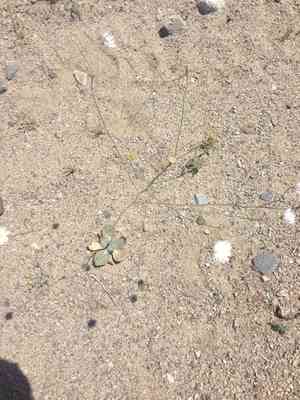
Parachute plant (Atrichoseris platyphylla)
Also known as: Tobacco weed
The parachute plant (Atrichoseris platyphylla) features distinctive white and yellow cup-shaped flowers resembling inverted parachutes. These plants bloom in spring, making it the ideal season to observe them in their native desert regions of the southwestern United States and northern Mexico. Post-bloom, the plants enter dormancy and appear lifeless, a clever tactic to deter herbivores.
In This Article
Attributes of Parachute plant
Lifespan
Annual, Perennial
Plant Type
Herb
Plant Height
30 cm to 71 cm
Spread
Leaves can spread up to 30 cm (12 inches) in diameter.
Leaf Color
Green to bluish-green
Flower Size
2.5 cm to 5 cm
Flower Color
White
Images of Parachute plant
Quickly Identify Parachute plant
1
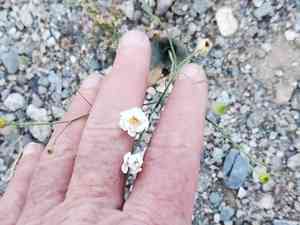
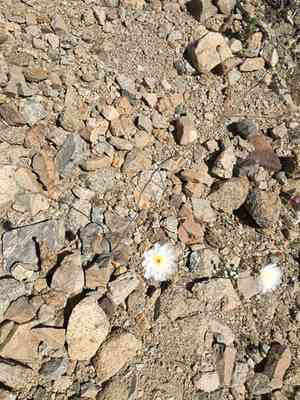
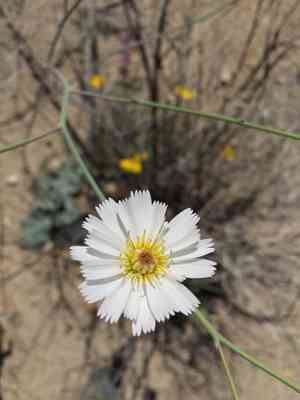
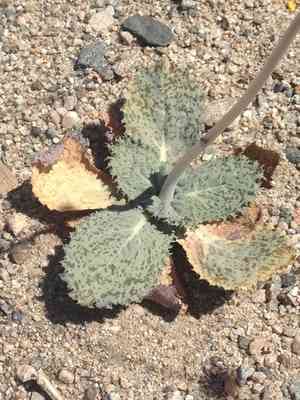
Atrichoseris platyphylla can be identified by its large, flat, basal leaves which lay flat on the ground. The flower head is typically white with a hint of pink or lavender and held on a long, slender stalk.
Scientific Classification of Parachute plant
Phylum
Vascular plants
Class
Dicotyledons
Order
Asterales
Family
Daisy
Genus
Tobacco Weed
Species
Parachute plant
Planting and Growing of Parachute plant
Care Difficulty
Easy
Watering Schedule
Every 2 days
Sunlight Requirements
Partial sun
Sunshine Duration
4-6 hours
Ideal Temperature
60-75℉
Soil Type
Potting Mix, Peat Mix
Soil pH
6.5-7.5
Fertilizer Type
Balanced
Pruning Season
Spring, Summer
Pruning Area
Branches, Leaves
Pruning Frequency
2 times a year
Repotting Season
Spring
Pot Type
Terracotta, Plastic
 How to Water Parachute plant?
For Atrichoseris platyphylla, it is important to water sufficiently to keep the soil slightly moist, yet well-drained. The plant typically requires about 200 milliliters of water each time, enough to moisten the root zone properly without creating waterlogged conditions.
What are the symptoms of an underwatered Parachute plant?
›
What should I do if my Parachute plant is not getting enough water?
›
What are the symptoms of an overwatered Parachute plant?
›
How to save an overwatered Parachute plant?
›
 What Are the Sunlight Requirements for Parachute plant?
Partial to full sunlight enhances Atrichoseris platyphylla's growth. Ideal light promotes vibrant blooms, robust foliage, and heightened photosynthetic efficiency, supporting resilience against stress.
More About Sunlight Requirements Techniques→
What type of sunlight is ideal for Atrichoseris platyphylla?
›
How to adjust light conditions indoors?
›
What benefits from ideal exposure?
›
 What Is the Ideal Temperature Range for Parachute plant?
The ideal temperature range for Atrichoseris platyphylla is between 60°F and 75°F. This range provides optimal conditions for growth, allowing the plant to photosynthesize efficiently and maintain healthy physiological processes. Keeping temperatures within this range helps prevent stress and ensures the plant thrives.
 What Soil is Best for Parachute plant?
Atrichoseris platyphylla thrives in well-draining soil which prevents water from pooling around the roots, thus avoiding root rot and ensuring healthy growth. This plant benefits from a moderate level of nutrients, supporting its growth without promoting excessive foliage that could stress the plant. Good aeration in the soil is crucial for the roots of Atrichoseris platyphylla, as it allows efficient exchange of gases and facilitates nutrient uptake.
 How to Fertilize Parachute plant?
For Atrichoseris platyphylla, fertilization should be conducted with moderation given its native desert habitat. Use a balanced liquid fertilizer, applying at half the strength recommended for typical garden plants. This ensures the plant isn't overwhelmed with nutrients and matches its slow growth habit.
 How to Prune Parachute plant?
Examine your Atrichoseris platyphylla carefully to identify any damaged or unsightly parts. Focus on removing dead leaves and stems that might harbor pests or disease. Look for any tangled or overly dense areas that could benefit from thinning. Position your shears to make clean, angled cuts. Aim to cut above the node or where a leaf joins a stem for the healthiest results. Angled cuts ensure that water drains off, preventing rot and fostering quick healing.
More About Pruning Techniques→
 How to Propagate Parachute plant plant?
1
Sow seeds evenly across the seed tray filled with potting mix. Lightly cover the seeds with a thin layer of soil to ensure proper germination. Ensure even moisture to facilitate germination and seedling development.
2
Maintain consistent soil moisture by regular watering. However, avoid excessive watering, which can cause fungal issues. Ensure good air circulation to prevent damping-off and other seedling diseases.
3
Once the seedlings are large enough to handle, transplant them into individual pots. Gently remove each seedling to prevent root damage, maintaining strong and healthy growth as they mature.
 How to Repot Parachute plant plant?
1
Atrichoseris platyphylla should be repotted when root-bound or when growth slows visibly. Signs include roots growing out of the drainage holes or visibly large root structure taking over the current pot. Choose spring or summer for best results, ensuring the plant handles stress better.
2
Select a pot that is slightly larger than the current one to allow for growth while preventing excess soil, which can retain moisture and lead to root rot. Ensure the pot has ample drainage holes to support a well-draining soil environment, beneficial for this particular species.
3
Use a well-draining cactus mix with added perlite or sand, which mimics natural desert conditions. This type of soil supports healthy root growth, prevents waterlogging, and reduces the risk of root diseases, essential for Atrichoseris platyphylla's wellbeing.



