How to Prune Common sandweed?
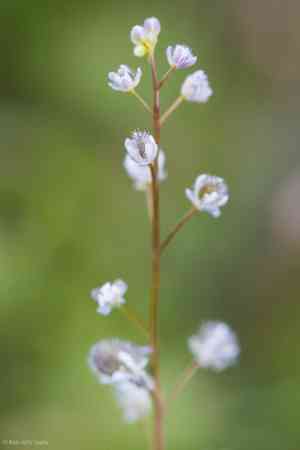
Arenaria serpyllifolia is a prostrate annual characterized by diminutive, fine foliage and minute blossoms. To ensure peak vitality and aesthetic appeal, trim Arenaria serpyllifolia throughout spring, summer, and autumn. Routine cutting assists in controlling its expansion and fosters more compact development. Concentrate on excising withered or compromised stalks, and contemplate nipping back terminals to encourage a fuller form. Performing this maintenance during the specified periods corresponds with its developmental rhythm, thereby minimizing strain. Regular trimming contributes to inhibiting unwanted vegetation and elevates Arenaria serpyllifolia's decorative qualities.
What Are the Benefits of Pruning Common Sandweed?
What Are the Benefits of Pruning Common Sandweed?
Trimming common sandweed encourages healthier development and helps maintain its form, ensuring robust growth. Timely trimming also lowers the risk of pests and diseases, contributing to a well-kept appearance. This practice is vital for managing the plantâs size and structure.
What Is the Best Time for Pruning Common Sandweed?
What Is the Best Time for Pruning Common Sandweed?
Trimming common sandweed in spring allows it to recover and grow vigorously during the upcoming season. Summer trimming helps control growth and shape the plant, especially after its initial spring growth spurt. Fall trimming prepares common sandweed for winter dormancy by removing dead or diseased parts, reducing pest risks and ensuring healthy regrowth in spring.
What Tools Do I Need to Prune Common Sandweed?
Hand Pruners
Hand pruners are perfect for precise cutting and trimming of smaller stems and leaves of common sandweed. Their size enables accurate upkeep of the plantâs delicate structure.
Pruning Scissors
Pruning scissors are effective for detailed and careful trimming tasks on common sandweed, especially given its small size and fine stems.
Fine-Tooth Pruning Saw
A fine-tooth pruning saw can be useful for cutting through any slightly thicker or woody stems of common sandweed without causing excessive harm.
Bypass Pruners
Bypass pruners are beneficial for making clean cuts on live stems of common sandweed, reducing the risk of crushing or damaging the plant.
How to Prune Common Sandweed
Assess
Examine common sandweed for any withered leaves that appear discolored, dried, or damaged.
Tools
Prepare sharp pruning shears to ensure clean cuts and minimize harm to healthy parts of common sandweed.
Cut
Make precise cuts at the base of the withered leaves, avoiding cutting into the green, healthy parts of common sandweed.
Dispose
Collect and properly discard the removed leaves to prevent any potential spread of disease or pests.
Observe
Monitor common sandweed regularly for any new signs of wilting, ready to repeat the process if necessary.
Common Pruning Mistakes with Common Sandweed
Over-pruning
Removing too much foliage can stress common sandweed, hindering its ability to photosynthesize and recover.
Improper technique
Using dull or dirty tools can cause jagged cuts or introduce diseases to common sandweed, impairing its growth.
Pruning during active growth
Cutting back common sandweed during its active growth phase can disrupt its natural development and flowering cycle.
Ignoring dead or diseased parts
Failing to remove dead or diseased stems and leaves can spread infection and reduce the overall vitality of common sandweed.
Common Pruning Tips for Common Sandweed
Use clean, sharp tools
Ensure pruning shears are clean and sharp to make precise cuts and avoid damaging common sandweed.
Prune selectively
Focus on removing dead, damaged, or diseased branches, while being cautious not to remove more than necessary.
Cut at the right angle
Make cuts at a 45-degree angle to allow water to run off, preventing rot and disease in common sandweed.
Thin out crowded areas
Encourage air circulation by thinning out densely packed areas, which can prevent mold and fungal issues in common sandweed.
Inspect regularly
Regularly inspect common sandweed to promptly address any issues and maintain its health through timely pruning.



