How to Propagate Common sandweed?
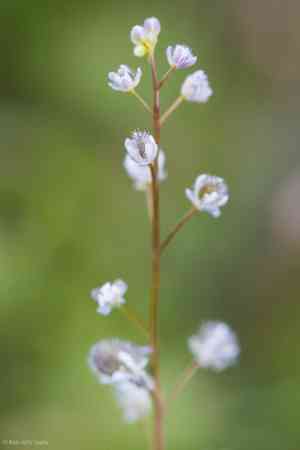
Common sandweed flourishes in airy to gritty, adequately drained substrates. To propagate, disperse the seeds directly into the intended planting site; confirm the soil's top layer is damp yet not saturated. Gently embed the seeds into the earth without burying them, as they require illumination for sprouting. Preserve steady hydration until the young plants are firmly rooted. Adhering to these straightforward procedures ensures effective propagation.
Optimal Time for Common Sandweed Propagation
Propagation Method
Seeding
Propagation Period
Spring
Tools for Common Sandweed Propagation
Seed Tray
A seed tray provides ample room for germinating numerous seeds in a regulated setting. It guarantees consistent soil conditions, which is vital for the successful germination of common sandweed seeds.
Seedling Heat Mat
A seedling heat mat delivers steady warmth to the soil, encouraging quicker and more uniform germination. This tool is especially useful for common sandweed as it ensures ideal temperature conditions crucial for seedling growth.
Propagation Dome
A propagation dome maintains high humidity and stable temperatures, creating a microenvironment favorable for the germination and initial growth stages of common sandweed seedlings.
Fine Seed Compost
Fine seed compost offers an ideal medium with good drainage and sufficient nutrients. It supports healthy root development in common sandweed seedlings, leading to stronger plants.
Mister or Spray Bottle
A mister or spray bottle gently moistens the soil surface without disturbing the seeds. Maintaining consistent moisture without waterlogging is essential for the germination of common sandweed.
Labels and Markers
Labels and markers are used to track different seed batches and germination dates. Proper labeling is critical for monitoring the growth progress of common sandweed seedlings.
Horticultural Sand
Horticultural sand is mixed with compost to enhance soil drainage and aeration. For common sandweed, good drainage is necessary to prevent fungal infections and damping-off disease in seedlings.
Tweezers or Seed Sower
Tweezers or a seed sower facilitate the precise placement of tiny seeds. Given the small size of common sandweed seeds, these tools help ensure even spacing and prevent overcrowding.
Sterilized Tools
Using sterilized tools such as scissors and knives to handle seedlings reduces the risk of disease transmission. Sterilization is vital to maintain the health of common sandweed during the propagation process.
How to Propagate Common Sandweed?
Propagation Type
Simple
Post-Propagation Care for Common Sandweed
How to Care for Your Newly Propagated Common Sandweed?
Following successful propagation, water common sandweed regularly without saturating the soil. Ensure it receives adequate sunlight, as common sandweed thrives in well-lit environments. Monitor for pests and disease, and provide a balanced fertilizer if necessary to promote healthy growth. Prune if needed to maintain shape and remove any dead or damaged parts.
Common Mistakes to Avoid When Propagating Common Sandweed
Overwatering
Excessive water can lead to root rot and fungal diseases, which can be fatal for common sandweed.
Using Poor Soil
Utilizing heavy or nutrient-deficient soil can impede root development and limit nutrient uptake essential for common sandweed's growth.
Inadequate Light
Insufficient light can stunt growth and weaken the plant, making it more susceptible to diseases.
Overcrowding
Planting common sandweed too closely can result in competition for resources, leading to weaker plants.
Neglecting Pest Control
Failing to monitor for pests can result in infestations that damage common sandweed and impede its propagation.
Tips For Propagating Common Sandweed
Well-Drained Soil
Ensure the use of well-drained soil to prevent waterlogging and promote healthy root development.
Moderate Watering
Maintain a balanced watering schedule to keep the soil moist but not waterlogged, preventing root rot.
Adequate Spacing
Provide sufficient space between plants to allow for proper air circulation and resource availability.
Sunlight Exposure
Position common sandweed in a location with adequate sunlight to ensure robust growth and vigor.
Regular Monitoring
Periodically check for pests and diseases, taking prompt action to mitigate any issues and protect the plant.



