How to Prune Cream milkvetch?
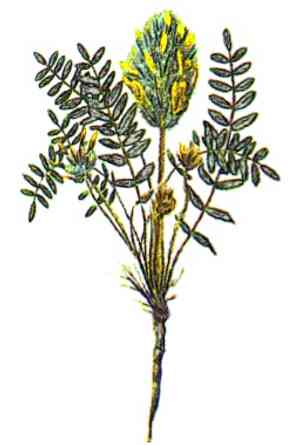
Cream milkvetch is characterized by its compound leaves and off-white blossoms. To foster robust development, trim cream milkvetch either in early spring or late winter. Concentrate on excising deceased, injured, or ailing stalks to enhance air circulation and light exposure. This period guarantees the best recuperation and stimulates abundant flowering. Consistent trimming aids in preserving the plant's form, averts excessive density, and sustains its general strong condition. Always employ sanitized, keen implements to lessen harm and diminish the chance of contagion.
What Are the Benefits of Pruning Cream Milkvetch?
What Are the Benefits of Pruning Cream Milkvetch?
Trimming cream milkvetch promotes robust development and vitality, ensuring the plant keeps its intended form. It eliminates dead or diseased sections, boosting resistance to pests and illnesses. This practice also improves air circulation and light penetration, crucial for overall health and look.
What Is the Best Time for Pruning Cream Milkvetch?
What Is the Best Time for Pruning Cream Milkvetch?
Trimming cream milkvetch from late winter to early spring coincides with its dormant phase, minimizing plant stress. This timing also prepares cream milkvetch for the upcoming growth period, encouraging strong development and enhancing its general well-being. Additionally, pruning just before new growth begins helps shape the plant effectively without hindering its blooming or fruiting potential.
What Tools Do I Need to Prune Cream Milkvetch?
Bypass Pruners
Perfect for clean cuts through living stems and soft branches, ensuring minimal harm and fostering healthy regrowth in cream milkvetch.
Anvil Pruners
Effective for cutting through dead or tough stems, aiding in the efficient removal of any unhealthy parts of cream milkvetch.
Pruning Shears
For trimming lighter, more delicate sections of cream milkvetch, maintaining its aesthetic form without harming the plant.
Pruning Saw
Suitable for thicker branches that cannot be managed by pruners, ensuring a clean cut on the woody portions of cream milkvetch.
Loppers
Ideal for cutting relatively thicker branches to enhance air circulation within cream milkvetch, vital for its overall health.
How to Prune Cream Milkvetch
Remove diseased leaves
Identify and snip off any leaves showing disease symptoms like black spots, mold, or unusual discoloration using sanitized pruning shears.
Dispose properly
Discard diseased leaves far from the garden area to prevent disease spread and ensure these parts do not contact other plants.
Remove withered leaves
Examine the plant for withered, dead, or yellowing leaves and trim these away with clean, sharp scissors or shears, being careful to cut close to the stem but not into healthy tissue.
Clean tools
Sanitize pruning tools after each cut or between plants to prevent pathogen transmission, using a solution of one part bleach to nine parts water.
Regular monitoring
Observe the plant regularly to detect any new signs of disease or wilting early, and repeat the pruning process as needed to maintain the plantâs health and appearance.
Common Pruning Mistakes with Cream Milkvetch
Over-pruning
Removing too much of cream milkvetch can stress the plant and hinder its growth and blooming capabilities.
Improper Tool Use
Using dull or incorrect tools can result in jagged cuts, increasing the risk of disease and pest infestation.
Pruning at Incorrect Angles
Cutting stems at the wrong angles can impede proper healing and create entry points for disease.
Ignoring Plant Health
Failing to check for signs of disease or pests before pruning can spread infections throughout the plant.
Timing Errors
Pruning at the wrong time within the growing cycle (apart from seasonal timing) can negatively impact new growth and flowering.
Common Pruning Tips for Cream Milkvetch
Sharp, Clean Tools
Always use sharp and clean pruning shears to ensure precise cuts and minimize disease risk.
Sanitize Equipment
Disinfect tools before and after use, especially if multiple plants are being pruned, to prevent disease transmission.
Remove Dead Growth
Focus on eliminating dead or diseased stems to encourage healthy new growth and improve air circulation.
Prune for Shape
Regularly trim to maintain the plant's desired shape, fostering a balanced structure and preventing overgrowth.
Clean Cuts
Make clean, angled cuts just above a bud or stem to promote quicker healing and robust growth.



