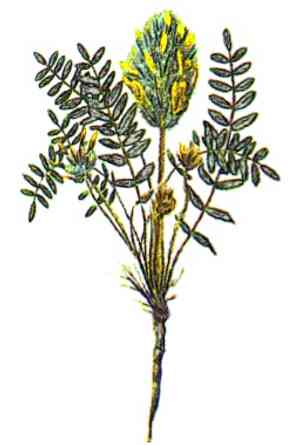
Cream milkvetch (Astragalus racemosus)
Also known as: Racemose milkvetch
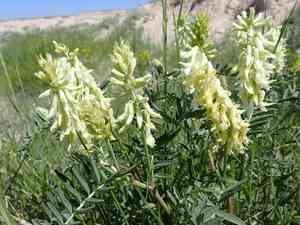
Cream milkvetch, a perennial herb, is notable for its dense racemes of cream-colored, pea-like flowers. It features pinnate leaves, a characteristic trait within its genus. This plant flourishes in well-drained soils and is commonly found in open, sunny locations. Adapted to challenging conditions, cream milkvetch possesses a deep taproot, which enables it to reach water sources during periods of drought. Its flowers are designed to attract specific pollinators, contributing significantly to its ecological niche.
In This Article
Attributes of Cream milkvetch
Lifespan
Perennial
Plant Type
Herb
Plant Height
41 cm to 1.02 m
Spread
Not widely spread, generally sparse
Leaf Color
Green
Flower Size
0.5-1 cm
Flower Color
White to Pale Yellow
Images of Cream milkvetch
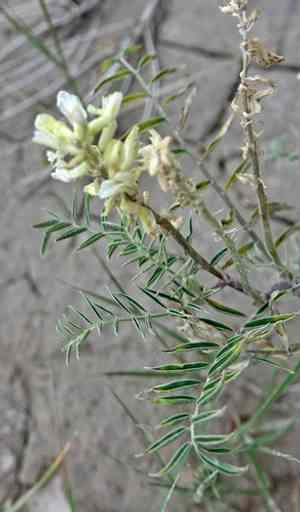
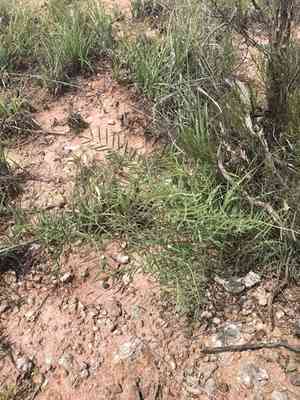
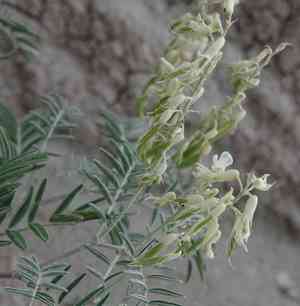
Quickly Identify Cream milkvetch
1
Identify Astragalus racemosus by its compound leaves with numerous leaflets, raceme inflorescences with small, white to pale yellow flowers, and its characteristic seed pods which are moderately inflated.
Scientific Classification of Cream milkvetch
Phylum
Vascular plants
Class
Dicotyledons
Order
Fabales
Family
Legume
Genus
Milkvetch
Species
Cream milkvetch
Planting and Growing of Cream milkvetch
Care Difficulty
Moderate
Watering Schedule
Every 2 days
Sunlight Requirements
Partial sun
Sunshine Duration
4-8 hours
Ideal Temperature
60-75℉
Soil Type
Potting Mix, Peat Mix
Soil pH
6.5-7.5
Fertilizer Type
Balanced
Pruning Season
Spring, Summer
Pruning Area
Branches, Leaves
Pruning Frequency
Once a year
Repotting Season
Spring
Pot Type
Plastic, Ceramic
 How to Water Cream milkvetch?
Astragalus racemosus prefers moderate watering. Make sure to water the soil evenly but allow for drainage. Excess water should not be left sitting in the pot, as this plant dislikes consistently soggy conditions.
What are the symptoms of an underwatered Cream milkvetch?
›
What should I do if my Cream milkvetch is not getting enough water?
›
What are the symptoms of an overwatered Cream milkvetch?
›
How to save an overwatered Cream milkvetch?
›
 What Are the Sunlight Requirements for Cream milkvetch?
Partial sun exposure means this plant should ideally receive 4 to 6 hours of sunlight daily. This balance ensures adequate energy and photosynthesis, promoting vibrant foliage and consistent flowering.
How much sunlight does Astragalus racemosus need?
›
Solutions for achieving ideal lighting conditions
›
Benefits of ideal lighting
›
 What Is the Ideal Temperature Range for Cream milkvetch?
The ideal temperature range for growing Astragalus racemosus is between 60°F and 75°F. This range allows the plant to remain healthy, focusing energy on growth rather than stress responses.
 What Soil is Best for Cream milkvetch?
Astragalus racemosus thrives in well-drained soil, which helps prevent root rot and other water-related issues. This condition is crucial for optimal growth as it ensures that the roots receive adequate oxygen and nutrients without being waterlogged. This plant prefers soil with moderate nutrient content, avoiding excessively rich soils that might promote rapid, weak growth. Balanced nutrients help maintain a steady growth rate, providing a strong and resilient plant structure. A slight preference for alkaline conditions allows Astragalus racemosus to take advantage of minerals like calcium, which can enhance plant strength and longevity. Ensuring soil pH remains just above neutral aids in nutrient absorption.
 How to Fertilize Cream milkvetch?
For Astragalus racemosus, it is important to provide a balanced fertilizer that supports its growth. Use a liquid fertilizer with a nitrogen-phosphorus-potassium (N-P-K) ratio of 10-10-10. Apply about 500 ml per plant per application to prevent over-fertilization while ensuring it gets the necessary nutrients.
 How to Prune Cream milkvetch?
To prune Astragalus racemosus, first sterilize your pruning shears to prevent disease spread. Begin by removing any dead or damaged branches at the base to promote healthy growth. Next, trim back overgrown branches to maintain the desired shape of your plant. Be gentle and avoid cutting into the woody parts of the plant, as this can cause damage.
More About Pruning Techniques→
 How to Propagate Cream milkvetch plant?
1
Begin by filling the seed trays with your chosen planting medium. Ensure it's evenly spread and lightly compacted to support the seeds. Moisten the medium slightly to create an ideal environment for seed germination.
2
Sow Astragalus racemosus seeds on the surface of the planting medium. Space them adequately to allow growth and air circulation. Lightly press them into the surface, but avoid covering them deeply, as they require light for germination.
3
Place the trays in a location with bright, indirect sunlight. Maintain a consistent temperature around 65-75°F (18-24°C). Keep the planting medium moist but not overly saturated to foster successful germination.
 How to Repot Cream milkvetch plant?
1
You should consider repotting Astragalus racemosus when you notice roots growing through the drainage holes, the soil dries out very quickly, or the plant's growth has noticeably slowed. These signs indicate that the plant has outgrown its current pot and needs more space to thrive.
2
Select a pot that is one size larger than the current one and has sufficient drainage holes. This ensures that excess water is easily expelled, preventing root rot, and provides the roots with enough space to spread and grow, nurturing a healthier plant overall.
3
Opt for a well-draining sandy soil mix to ensure optimal aeration and moisture control. This allows Astragalus racemosus to grow robustly, as these plants prefer soil that mimics their natural, more arid habitat, reducing the risk of waterlogging and subsequent root damage.
Learn More About Cream milkvetch Diseases
Anthracnose
Bacterial Leaf Spot
Bacterial Wilt
Crown Gall
Cyst Nematode
Damping-off
Downy Mildew
Drought Stress
Fusarium Wilt
Gray Mold
Leaf Spot
Mosaic
Nutrient Deficiency
Nutrient Toxicity
Powdery Mildew
Root Rot
Root-knot Nematode
Rusts
Sooty Mold
Spider Mites
Temperature Stress
Thrips Damage
White Mold
Chemical Injury



