How to Prune Pallid milk vetch?
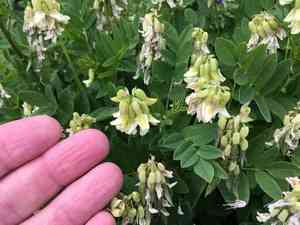
Astragalus pallescens, a robust perennial, thrives in cooler climates. Essential trimming methods involve removing spent or withered blossoms after flowering to encourage development and a more compact shape. The best times for pruning are late spring and early summer, coinciding with its periods of active growth. Pruning not only preserves its appearance but also enhances the health of Astragalus pallescens by inhibiting the spread of ailments. Always make precise, clean cuts to prevent harm. Consistent pruning contributes to overall vigor, fostering thicker, more energetic growth.
What Are the Benefits of Pruning Pallid Milk Vetch?
What Are the Benefits of Pruning Pallid Milk Vetch?
Trimming pallid milk vetch promotes vigorous development and maintains its desired form. Regular cutting aids in fostering a strong, dense structure, vital for its overall well-being and visual appeal.
What Is the Best Time for Pruning Pallid Milk Vetch?
What Is the Best Time for Pruning Pallid Milk Vetch?
Pruning pallid milk vetch during Spring and Summer aligns with its post-dormancy growth cycle and supports healthy regrowth. Spring trimming, typically after the last frost, helps stimulate new growth and increases bloom potential by removing old or dead foliage. Summer trimming, especially after initial flowering, can be beneficial for shaping the plant and encouraging a second bloom, while also minimizing disease risk by improving sunlight penetration and air circulation within the plant.
What Tools Do I Need to Prune Pallid Milk Vetch?
Hand Pruners
Perfect for making precise cuts on pallid milk vetch, hand pruners allow for targeted removal of old or damaged stems without harming the rest of the plant. This tool helps maintain the health and appearance of pallid milk vetch.
Pruning Shears
Effective for trimming and shaping the foliage of pallid milk vetch. Pruning shears are suitable for larger, woodier parts of the plant where more force is needed. Using them helps manage dense clusters to promote better air circulation and light penetration.
Garden Scissors
These are suitable for snipping delicate stems of pallid milk vetch, especially useful during thinning processes. Garden scissors provide the accuracy needed to reach into tight spaces without damaging nearby growths.
How to Prune Pallid Milk Vetch
Identify
First, thoroughly assess pallid milk vetch to identify any diseased or withered leaves. Look for discoloration, spots, or signs of decay on the foliage, as well as any unhealthy-looking stems.
Preparation
Before pruning, ensure your scissors or pruning shears are clean and sharp. Disinfect the tools to prevent disease spread between plants. Prepare appropriate disposal bags for the removed parts of pallid milk vetch.
Remove leaves
Carefully trim off diseased and withered leaves as close to the main stem as possible without causing damage. Be careful to only remove affected leaves and avoid cutting healthy ones.
Trim stems
If stems on pallid milk vetch show signs of disease (e.g., unusual coloration, soft spots), cut the stem back to a healthy section. Ensure each cut is made above a leaf node or bud to promote healthier regrowth.
Cleanup
After pruning, thoroughly clear all removed foliage and stems from around pallid milk vetch to prevent disease recurrence. Dispose of the waste properly, avoiding composting if the disease is known to be severe.
Common Pruning Mistakes with Pallid Milk Vetch
Over pruning
A common error with pallid milk vetch is removing too much foliage at once, which can stress the plant. It's vital to prune no more than a third of the overall growth in one session to avoid weakening the plant.
Improper technique
Using dull or unclean pruning tools can damage the delicate stems of pallid milk vetch, leading to jagged cuts that heal poorly and may invite disease.
Neglecting dead material
Failing to remove dead or dying parts of pallid milk vetch can hinder its growth and flowering. Old material that hasn't been cleared can also attract pests and diseases.
Common Pruning Tips for Pallid Milk Vetch
Sharp tools
Always use sharp, clean pruning shears. Sharp tools make clean cuts that heal quickly, reducing the risk of disease.
Selective pruning
Focus on thinning out crowded areas to improve air circulation and light penetration throughout pallid milk vetch. This encourages healthier growth and more robust flowering.
Post flowering trimming
Prune pallid milk vetch after it has finished flowering to shape the plant and encourage a compact growth form. This helps prevent the plant from becoming leggy and unsightly.



