How to Propagate Pallid milk vetch?
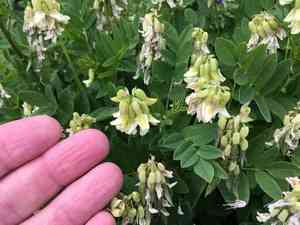
Astragalus pallescens flourishes when reproduced by seeding. To achieve successful sprouting, prepare a potting blend that drains efficiently and keep it damp without oversaturating. Plant the seeds superficially, as light assists their emergence. To improve the percentage of seeds that sprout, contemplate cold stratification before sowing. Consistent observation and a steady atmosphere will foster robust development in the initial phases.
Optimal Time for Propagating Pallid Milk Vetch
Propagation Method
Seeding
Propagation Period
Spring
Tools Utilized in Pallid Milk Vetch Propagation
Seed trays
Seed trays are vital for the initial propagation phase of pallid milk vetch via sowing. These containers aid in uniform seed distribution and provide ample room for early root growth. Selecting trays with adequate drainage is crucial to prevent excessive moisture, which can negatively impact seed germination and seedling vitality.
Potting mix
A well-draining potting medium is essential for sowing pallid milk vetch's seeds. The mix should be light and rich, ideally containing peat, perlite, and vermiculite. This blend helps maintain moisture without becoming waterlogged, thus supporting the delicate germination process of pallid milk vetch.
Misting bottle
A misting bottle is indispensable for gently hydrating pallid milk vetch seeds. Heavy watering can dislodge seeds or foster fungal issues. Misting delivers the necessary moisture for germination without disturbing the seeds, promoting an even and effective germination environment.
Grow lights
If propagating pallid milk vetch indoors or in areas with insufficient sunlight, grow lights are advantageous. These lights supply the required light spectrum for photosynthesis, which is critical during the early germination stage, especially where natural sunlight is scarce.
Temperature control mat
A temperature control mat is highly beneficial for regulating soil temperature during pallid milk vetch germination. This device ensures the soil remains within the ideal temperature range, which is crucial for successful germination and initial growth of pallid milk vetch.
How to Propagate Pallid Milk Vetch
Propagation Type
Simple
Post-Propagation Care for Your Pallid Milk Vetch
Post-Propagation Care for Your Pallid Milk Vetch
Following propagation, provide pallid milk vetch with ample to partial sunlight and water consistently, keeping the soil moderately damp. This plant benefits from occasional feeding with a balanced, low-nitrogen fertilizer. During winter, shield it from extreme cold to avoid root damage. Regular checks for pests and diseases are advised to maintain robust growth.
Common Errors to Avoid When Propagating Pallid Milk Vetch
Inadequate soil preparation
For pallid milk vetch, using a soil blend that drains poorly or lacks sufficient organic matter can lead to waterlogging or nutrient deficiencies. Suboptimal soil conditions hinder root development and diminish the overall health and vigor of pallid milk vetch, making it prone to diseases and stunted growth.
Overwatering
While it may seem helpful, excessive watering can actually harm pallid milk vetch. Overwatering results in root rot and fungal infections, as the roots of pallid milk vetch require a balance of moisture and air circulation for optimal function.
Improper handling of roots
Pallid milk vetch possesses delicate roots that are easily damaged during transplanting or division. Rough handling of roots or insufficient care during propagation can severely impair the plant's ability to establish and thrive in a new setting.
Advice for Propagating Pallid Milk Vetch
Utilize well-draining soil
For successful propagation, prepare a soil mixture with a good balance of drainage and fertility. Incorporating perlite or sand improves drainage, while organic compost provides essential nutrients that enhance the growth and health of pallid milk vetch.
Moderate watering
Ensure that pallid milk vetch receives enough water to keep the soil moist but not saturated. Over-watering can lead to root diseases, so it's crucial to establish a watering routine that maintains optimal soil moisture levels.
Gentle root handling
When propagating pallid milk vetch through division, handle the roots with care to prevent damage. Gently separate the roots and minimize exposure to air and sunlight during transplantation to encourage better root establishment in the new location.



