How to Prune Brewer's milkvetch?
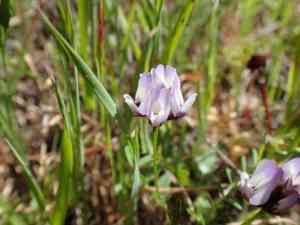
Brewer's milkvetch flourishes in adequately drained earth and brightly lit areas, distinguished by its fine foliage and vivid blossoms. Essential trimming methods involve excising deceased or injured stalks to foster sound development. The most effective time for pruning is from late winter to early spring, coinciding with the plant's inactive period. This seasonal schedule aids in revitalizing brewer's milkvetch for vigorous spring development. Consistent trimming promotes denser leaves and improves blooming, guaranteeing the plant stays strong and visually appealing.
What Are the Benefits of Pruning Brewer's Milkvetch?
What Are the Benefits of Pruning Brewer's Milkvetch?
Brewer's milkvetch thrives with trimming, leading to robust growth and a pleasing form. It helps prevent spindly development, encourages denser leaves, and can boost blooming. Pruning also assists in size management and lowers vulnerability to pests and illnesses.
What Is the Best Time for Pruning Brewer's Milkvetch?
What Is the Best Time for Pruning Brewer's Milkvetch?
Trimming brewer's milkvetch in early spring and late winter is optimal as this period aligns with the plant's inactive phase. During dormancy, pruning minimizes stress and stimulates healthy new growth as the plant enters its active cycle. Furthermore, pruning before the growth season allows brewer's milkvetch to direct energy towards producing new shoots and flowers, rather than recovering from cuts. This timing also aids in shaping the plant and removing any damaged or diseased branches before active growth commences.
What Tools Do I Need to Prune Brewer's Milkvetch?
Hand Pruners
Crucial for precise cuts on smaller stems and branches of brewer's milkvetch, ensuring minimal harm to the plant.
Bypass Pruners
Perfect for making clean cuts without crushing stems, vital for maintaining the plant's health.
Pruning Shears
Useful for shaping the overall look of brewer's milkvetch, especially for removing dead or damaged parts.
Loppers
Beneficial for cutting through thicker branches of brewer's milkvetch that may be too tough for smaller pruners, ensuring a clean cut.
How to Prune Brewer's Milkvetch
Inspect
Carefully examine brewer's milkvetch for any indications of diseased or withered foliage. Accurately identify affected areas before proceeding to prevent unnecessary harm to healthy sections.
Prepare tools
Sanitize your pruning shears or scissors with rubbing alcohol to prevent disease transmission. Ensure your tools are sharp for clean cuts.
Remove diseased leaves
Gently cut away any diseased leaves close to the stem's base, but avoid cutting into healthy tissue. Dispose of removed leaves away from the plant area to prevent re-infection.
Remove withered leaves
Trim off withered leaves by cutting them at their point of attachment to the stem. Ensure the cut is clean to avoid damaging other parts of brewer's milkvetch.
Dispose and clean
Collect and dispose of all trimmed plant material properly. Clean your tools again with rubbing alcohol to ensure no residual disease remains on the blades.
Common Pruning Mistakes with Brewer's Milkvetch
Improper technique
Using dull or dirty tools can harm the plant, leading to disease and pest issues. Tools should be sharp and sanitized to make clean cuts.
Pruning too aggressively
Cutting back too much foliage at once can stress brewer's milkvetch, reducing its ability to photosynthesize and store energy, hindering its growth and flowering.
Poor cutting angles
Making incorrect angled cuts (such as flat or upward-facing cuts) can create water pockets, leading to rot and disease. Proper cuts should generally be at a slight angle to promote water runoff.
Incorrect pruning height
Pruning too close to the base or major branches can damage the core structure of brewer's milkvetch, which can result in slow recovery or even dieback.
Ignoring dead or diseased wood
Failing to remove dead, diseased, or damaged branches promptly can allow disease and pests to spread throughout the plant.
Common Pruning Tips for Brewer's Milkvetch
Use clean, sharp tools
Always ensure your pruning shears, loppers, and saws are sharp and clean. This will make cleaner cuts and reduce the likelihood of disease.
Remove dead or diseased wood first
Start by removing any dead, damaged, or diseased branches. This helps to prevent the spread of pathogens and pests.
Make angled cuts
Make cuts at a slight angle, away from buds or stems, to prevent water from collecting on the cut surface and to promote faster healing.
Thin out crowded areas
To improve air circulation and light penetration, thin out densely packed areas of brewer's milkvetch. This can help reduce disease risk and stimulate more vigorous growth.
Cut just above a bud
When pruning, always cut just above a bud or lateral branch to encourage new growth in the desired direction. Avoid leaving long stubs, as they can become entry points for disease.



