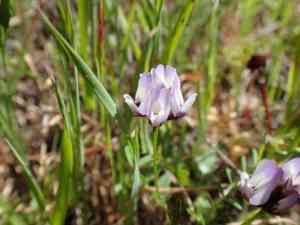
Brewer's milkvetch (Astragalus breweri)
Also known as: Brewer's milkvetch, Brewer's locoweed
Brewer's milkvetch is native to the Sierra Nevada region in California. This small wildflower, only a few centimeters in size, belongs to a family known for containing potentially harmful toxins. It’s advisable to handle it with care—wear gloves and wash your hands thoroughly afterward.
In This Article
Attributes of Brewer's milkvetch
Lifespan
Perennial
Plant Type
Herb
Plant Height
20-50 cm
Spread
Up to 50 cm
Leaf Color
Green
Flower Size
1-2 cm
Flower Color
Purple to white
Images of Brewer's milkvetch
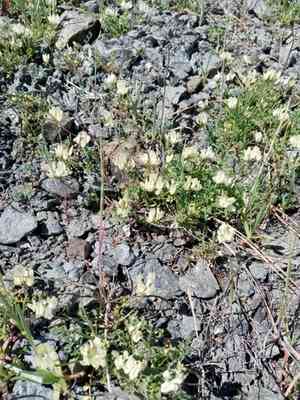
Quickly Identify Brewer's milkvetch
1
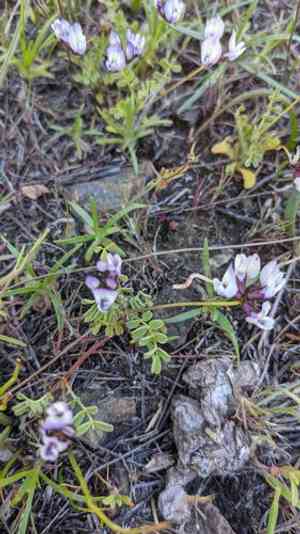
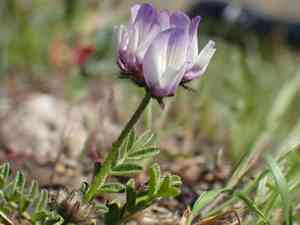
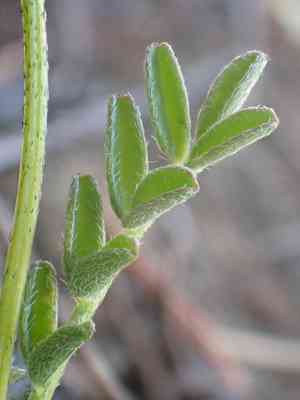
This plant can be identified by its pinnate leaves with numerous small leaflets, as well as its distinct clusters of purple to white flowers. It often grows in sandy or gravelly soils.
Scientific Classification of Brewer's milkvetch
Phylum
Vascular plants
Class
Dicotyledons
Order
Fabales
Family
Legume
Genus
Milkvetch
Species
Brewer's milkvetch
Planting and Growing of Brewer's milkvetch
Care Difficulty
Moderate
Watering Schedule
Every 2 days
Sunlight Requirements
Full sun
Sunshine Duration
8-12 hours
Ideal Temperature
60-75℉
Soil Type
Potting Mix, Peat Mix
Soil pH
6.5-7.5
Fertilizer Type
Balanced
Pruning Season
Spring, Summer
Pruning Area
Branches, Leaves
Pruning Frequency
2 times a year
Repotting Season
Spring
Pot Type
Plastic, Ceramic
 How to Water Brewer's milkvetch?
When watering Astragalus breweri, ensure that the soil is thoroughly moistened but not waterlogged. This species thrives with about 250 milliliters of water per session, allowing the soil to dry out between waterings. Overwatering can lead to root rot, so always err on the side of caution.
What are the symptoms of an underwatered Brewer's milkvetch?
›
What should I do if my Brewer's milkvetch is not getting enough water?
›
What are the symptoms of an overwatered Brewer's milkvetch?
›
How to save an overwatered Brewer's milkvetch?
›
 What Are the Sunlight Requirements for Brewer's milkvetch?
Astragalus breweri thrives in a combination of full sun and partial sun conditions. Ideal light encourages strong root systems, abundant flowering, and overall vigorous plant health, facilitating natural resilience and enhanced beauty.
What is the best environment for Astragalus breweri?
›
How can you provide ideal light conditions for Astragalus breweri?
›
What benefits does ideal lighting bring to Astragalus breweri?
›
 What Is the Ideal Temperature Range for Brewer's milkvetch?
The ideal temperature range for Astragalus breweri is between 60°F and 75°F. This range provides the optimal conditions for growth, allowing the plant to photosynthesize efficiently and maintain its health. Inside this range, the plant will be able to produce healthy foliage and robust root systems.
 What Soil is Best for Brewer's milkvetch?
Astragalus breweri thrives in well-drained soil, ensuring that excess water can quickly seep through, preventing root rot. This is particularly beneficial in preventing fungal growth and maintaining healthy root systems. This plant prefers soil that is rich in essential nutrients like nitrogen and phosphorus. Such nutrient-dense environments promote vigorous growth and ensure the plant achieves optimal flowering. While Astragalus breweri can withstand some drought, it performs best in soil that retains moderate moisture. This balance helps the plant to access needed hydration without the risk of waterlogging.
 How to Fertilize Brewer's milkvetch?
For Astragalus breweri, a balanced approach to fertilization is crucial. When using liquid fertilizers, mix 1/4 teaspoon of a balanced (e.g., 10-10-10) liquid plant food per gallon of water. For granular slow-release fertilizers, use approximately one tablespoon per square foot, ensuring even distribution around the base of the plant, avoiding direct contact with the stem to prevent burning.
 How to Prune Brewer's milkvetch?
Ensure you use sharp and sterilized tools for pruning. This minimizes damage to the plant's tissues and reduces the risk of infection. After each cut, wipe the blades with a disinfectant to prevent cross-contamination. Always cut at a 45-degree angle just above a node. This encourages new growth and directs water away from the cut, reducing the chance of disease entering through the fresh cuts.
More About Pruning Techniques→
 How to Propagate Brewer's milkvetch plant?
1
Start by sowing Astragalus breweri seeds in a well-draining soil mix. Cover the seeds lightly with soil and keep the tray in a warm, shaded area. Regularly mist the soil to maintain moisture but avoid waterlogging.
2
Using sterilized pruners, take 5-10 cm cuttings from the plant. Ensure that each cutting has at least a couple of leaf nodes. Remove lower leaves and dip the cut end into a rooting hormone before placing it in moist soil.
3
After planting seeds and cuttings, monitor their progress. Ensure consistent moisture by misting them regularly. Maintain a stable, warm environment to encourage rooting and avoid direct sunlight initially.
 How to Repot Brewer's milkvetch plant?
1
Astragalus breweri needs repotting when roots begin to outgrow the current pot or water is not draining well. This usually occurs every 2-3 years. Signs of poor growth might also indicate the necessity for repotting to refresh the soil.
2
Choose a pot that is slightly larger than the current one. It should have adequate drainage holes to prevent water logging, which can lead to root rot. A terracotta pot is perfect as it allows breathability, keeping the root system healthy.
3
Opt for a well-draining sandy mix that mimics Astragalus breweri's natural habitat. This ensures the roots get enough oxygen and don’t sit in excess moisture, which helps prevent fungal diseases and promotes strong growth.
Toxicity
Ingestion
WARNING
The judgment on toxicity and danger is for reference only. We DO NOT GUARANTEE any accuracy of such judgment. Therefore, you SHALL NOT rely on such judgment. It is IMPORTANT TO SEEK PROFESSIONAL ADVICE in advance when necessary.



