How to Prune Mexican spleenwort?
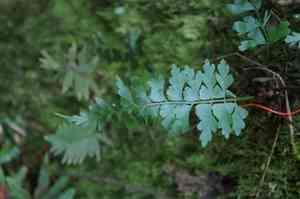
This fern, characterized by its delicate, plume-like leaves, flourishes with minimal trimming. For peak health, carefully snip off any discolored or injured fronds in early spring or late winter to foster vigorous development and preserve its aesthetic. Performing this task during these periods aligns with the plant's inherent growth rhythm. Consistent elimination of withered leaves enhances air movement and can deter ailments, guaranteeing mexican spleenwort stays strong and lively. No significant reduction in size is required, rendering this a straightforward, undemanding chore.
Advantages of Trimming Mexican Spleenwort
Advantages of Trimming Mexican Spleenwort
Trimming mexican spleenwort promotes vigorous development and sustains a desired shape. Strategic cuts can stimulate fresh, strong shoots and help maintain the plant's structural integrity.
Optimal Period for Trimming Mexican Spleenwort
Optimal Period for Trimming Mexican Spleenwort
Trimming mexican spleenwort in late winter or early spring is advantageous as it coincides with the plantâs dormant phase, prior to the start of its new growth cycle. This timing ensures minimal stress to mexican spleenwort, as the plant is not actively allocating energy to growth, blooming, or fruiting. Pruning during these seasons helps prevent disease and encourages robust growth in the upcoming active period. It also allows the gardener to clearly observe the structure of mexican spleenwort without its full foliage, enabling more accurate and effective trimming. The removal of old fronds can stimulate the healthy emergence of new fronds as temperatures begin to rise in spring.
Necessary Tools for Trimming Mexican Spleenwort
Fine-tipped Pruning Shears
Perfect for making accurate cuts and preventing harm to the delicate fronds of mexican spleenwort.
Sharp Scissors
Suitable for snipping smaller, more accessible fronds that may be overcrowded or dead.
Gloves
Crucial for safeguarding hands from sharp frond edges when handling mexican spleenwort.
How to Trim Mexican Spleenwort
Sanitize tools
Sanitize pruning shears or scissors with alcohol or a bleach-water solution to prevent the spread of disease while trimming mexican spleenwort.
Identify leaves
Examine mexican spleenwort closely, identifying any diseased or withered leaves that require removal. Look for any discolored, spotted, or dead foliage.
Cut diseased leaves
Using the sanitized shears, carefully snip off the diseased leaves at the base where the leaf meets the stem. Do not pull the leaves, as this can damage healthy plant tissue.
Remove withered leaves
Trim back withered leaves in the same manner as diseased ones to enhance air circulation and improve mexican spleenwort's appearance. Ensure cuts are clean and close to the stem.
Dispose debris
Dispose of all the diseased and withered leaf debris away from mexican spleenwort and other plants to prevent any disease from spreading. Do not compost if leaves are diseased.
Common Trimming Errors with Mexican Spleenwort
Excessive trimming
Removing too much foliage at once can stress mexican spleenwort, leading to reduced vigor and slow recovery. It is essential to limit trimming to only the necessary amount to maintain plant health and appearance.
Trimming healthy fronds
Cutting away healthy fronds can unnecessarily weaken mexican spleenwort. Only remove damaged, diseased, or dead fronds to encourage the plantâs energy to be directed to new growth.
Using dull tools
Utilizing dull or unclean trimming tools can cause jagged cuts, which may lead to infection and damage mexican spleenwort. Always use sharp, sterile trimming equipment to make clean cuts.
Cutting too close to the base
Severing fronds too close to the rhizome may harm the plant. When trimming mexican spleenwort, ensure that cuts are made at a safe distance from the crown to avoid damage to the remaining healthy parts.
General Trimming Advice for Mexican Spleenwort
Disinfect tools
Before trimming mexican spleenwort, sterilize your trimming tools with rubbing alcohol or a bleach solution to prevent the spread of pathogens.
Trim damaged fronds
Carefully remove fronds that are yellow, brown, or damaged. Trim these back to the base of the leaf stalk, taking care not to damage the central crown of the plant.
Encourage airflow
Thin out dense growth moderately to promote better airflow among the fronds. This can help prevent fungal diseases, which mexican spleenwort can be prone to in poor air circulation.
Use precise technique
Make precise and deliberate cuts when trimming mexican spleenwort to avoid accidental damage to adjacent healthy fronds. Taking time to position the cut properly will result in a cleaner, healthier trimming experience for the plant.



