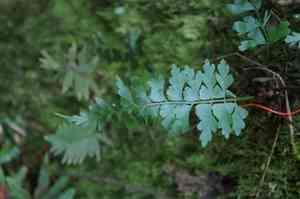
Mexican spleenwort (Asplenium praemorsum)
Also known as: Bird's Nest Fern, Spleenwort
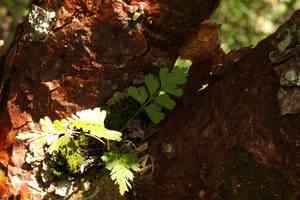
Mexican spleenwort (Asplenium praemorsum) is a fern native to the American tropics and subtropics. It can be identified by its dark green, shiny, pinnate fronds with rounded or blunt-tipped segments. The stems often exhibit a purplish hue. This fern typically grows in rocky, shaded or partially shaded environments, particularly on limestone or calcareous substrates. Mexican spleenwort is often found at elevations ranging from 800 to 2700 meters, thriving in moist, well-drained habitats.
In This Article
Attributes of Mexican spleenwort
Lifespan
Perennial
Plant Type
Fern
Plant Height
30 to 60 cm
Spread
60 to 90 cm
Leaf Color
Green
Flower Size
N/A
Flower Color
N/A
Images of Mexican spleenwort
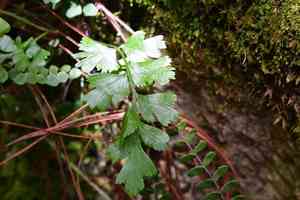
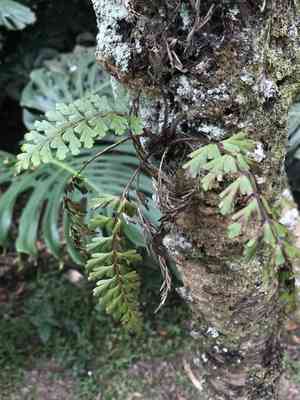
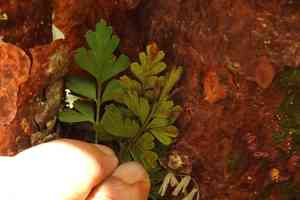
Quickly Identify Mexican spleenwort
1
Look for large, shiny, and slightly leathery fronds that are deeply lobed or undivided. The central rosette from which fronds emerge is a key identification feature.
Scientific Classification of Mexican spleenwort
Phylum
Vascular plants
Class
Ferns
Order
Polypodiales
Family
Spleenwort
Genus
Spleenworts
Species
Mexican spleenwort
Planting and Growing of Mexican spleenwort
Care Difficulty
Easy
Watering Schedule
Every 4 days
Sunlight Requirements
Partial sun
Sunshine Duration
6-8 hours
Ideal Temperature
65-75℉
Soil Type
Potting Mix, Peat Mix
Soil pH
6.5-7.5
Fertilizer Type
Balanced
Pruning Season
Spring, Summer
Pruning Area
Branches, Leaves
Pruning Frequency
2 times a year
Repotting Season
Spring
Pot Type
Plastic, Ceramic
 How to Water Mexican spleenwort?
When watering Asplenium praemorsum, aim to soak the soil evenly without letting it become waterlogged. Water until 250ml is absorbed and excess is just starting to drip from the drainage holes.
What are the symptoms of an underwatered Mexican spleenwort?
›
What should I do if my Mexican spleenwort is not getting enough water?
›
What are the symptoms of an overwatered Mexican spleenwort?
›
How to save an overwatered Mexican spleenwort?
›
 What Are the Sunlight Requirements for Mexican spleenwort?
An environment with partial sun to full shade is best for Asplenium praemorsum, promoting healthy and lush growth while preventing light-induced stress, thereby optimizing its natural beauty and resilience.
More About Sunlight Requirements Techniques→
How much light does Asplenium praemorsum require?
›
What are the solutions to achieve ideal lighting?
›
Why is ideal lighting beneficial for this plant?
›
 What Is the Ideal Temperature Range for Mexican spleenwort?
The ideal temperature range for Asplenium praemorsum is between 65 and 75 degrees Fahrenheit. This range provides the perfect balance for the plant's metabolic activities, ensuring both optimal growth and health. Within this range, Asplenium praemorsum can efficiently photosynthesize, transpire, and undertake nutrient absorption from the soil.
 What Soil is Best for Mexican spleenwort?
Asplenium praemorsum thrives in soils that provide excellent drainage. This is essential to prevent root rot, which is detrimental to the plant’s health. Ensuring proper drainage allows the plant to maintain the correct moisture levels necessary for its growth. This plant benefits from a nutrient-rich soil that promotes lush growth. A blend that includes organic matter will support healthy leaf development and overall plant vitality, providing the essential nutrients required for optimal uptake. While drainage is critical, the soil should also retain enough moisture to keep the plant hydrated between waterings. This balance ensures the plant doesn't dry out, which is crucial in maintaining its vibrant appearance.
 How to Fertilize Mexican spleenwort?
For Asplenium praemorsum, the fertilizer amount should be moderate. Use a balanced fertilizer with an NPK ratio of 20-20-20, diluted to half the recommended strength. This prevents potential root burn and supports healthy foliage growth.
 How to Prune Mexican spleenwort?
Begin by identifying any discolored, damaged, or dead fronds. These should be your targets. Gently trace these fronds back to their base to understand how they connect to the plant's overall architecture. Using sharp, sterilized shears, make clean cuts close to the base of the frond. Aim for a smooth cut to facilitate easy healing and to avoid infections. After pruning, keep an eye on the plant for new growth. Healthy new fronds will confirm that your pruning technique was effective and the plant is responding well.
More About Pruning Techniques→
 How to Propagate Mexican spleenwort plant?
1
Before division, ensure the parent plant is well-watered and healthy. This provides the divisions with a better chance of survival. Examine the plant for any signs of disease and remove affected areas.
2
Using a sharp knife, divide the Asplenium praemorsum into sections, ensuring each has roots and fronds attached. Handle the plant carefully to avoid breaking the delicate fronds and roots.
3
Plant each division into a suitable container with appropriate potting mix. Ensure the root ball is covered, and the plant is stable for healthy growth. Water the newly potted divisions thoroughly.
 How to Repot Mexican spleenwort plant?
1
Asplenium praemorsum should be repotted when it shows signs of being root-bound, such as roots emerging from drainage holes or stunted growth. Ideally, repot during the growing season when the plant is most resilient to change.
2
Select a pot that is one size larger than the current container to allow root expansion. Ensure it has drainage holes to prevent waterlogging which is crucial for maintaining plant health and avoiding root rot.
3
Use a well-draining potting mix that retains some moisture to mimic its natural habitat. This ensures the fern gets the needed water without suffering from excess that could lead to root rot.



