How to Prune Grey asparagus?
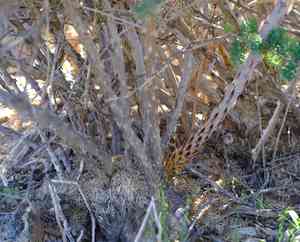
The visually appealing grey asparagus, recognized for its silver-hued leaves, thrives with trimming during the initial part of spring and the latter part of winter. Essential methods involve eliminating deceased or compromised stalks, reducing crowded sections to enhance air movement, and severing aged growth to stimulate fresh sprouts. Performing these cuts during these periods coincides with the plant's inactive phase, thereby reducing strain and fostering vigorous development. Consistent trimming improves the plant's aesthetic, well-being, and strength, rendering it a crucial activity for cultivators.
What Are the Benefits of Pruning Grey Asparagus?
What Are the Benefits of Pruning Grey Asparagus?
Grey asparagus thrives with pruning, leading to robust growth, maintaining its form, and deterring pests. Trimming encourages vigorous development, improves air circulation, and enhances the plant's appearance. Managing plant size optimizes garden space and lowers disease susceptibility.
What Is the Best Time for Pruning Grey Asparagus?
What Is the Best Time for Pruning Grey Asparagus?
Trimming grey asparagus in late winter or early spring is optimal as these periods align with the plant's dormancy before active growth begins. Pruning at this time minimizes plant stress and allows for strong development once the growing season starts. Furthermore, pruning prior to the active growth phase aids in shaping the plant and removing dead or damaged branches, thereby fostering overall plant health and vitality. It also ensures that any cuts have ample time to heal before the plant enters its flowering or fruiting stages.
What Tools Do I Need to Prune Grey Asparagus?
Clean and Sharp Bypass Pruners
Bypass pruners are perfect for making precise cuts on the green stems and leaves of grey asparagus. They prevent crushing plant tissue, promoting rapid healing.
Pruning Shears
Pruning shears are useful for detailed trimming and shaping. They are suitable for cutting smaller stems and ensuring precise cuts on grey asparagus.
Loppers
Loppers offer the leverage needed to cut through thicker stems that may be present in mature grey asparagus plants, providing clean and efficient cuts.
Hand Pruning Saw
A hand pruning saw is helpful for any tough or woody sections that regular pruners or loppers cannot manage. It assists in maintaining the plant's shape and health.
Sterilizing Solution
A sterilizing solution is crucial for cleaning tools before and after use to prevent disease transmission. It's vital for maintaining the health of grey asparagus.
How to Prune Grey Asparagus
Inspect
Carefully examine grey asparagus for any indications of diseased or withered foliage. Pay close attention to areas where leaves appear discolored, shriveled, or damaged.
Sanitize
Disinfect your pruning tools using a mixture of water and rubbing alcohol. This will prevent the spread of disease when cutting diseased or withered leaves.
Remove Diseased Leaves
Using disinfected pruning shears, gently snip off any diseased leaves at their base or just below the affected area. Make clean cuts to avoid harming healthy parts of grey asparagus.
Remove Withered Leaves
Identify withered leaves and trim them off where they connect to the main stem or at the base. Ensure you do not damage healthy foliage during this process.
Dispose
Properly discard all pruned diseased and withered leaves in a sealed bag. This will help prevent any disease from spreading back to grey asparagus or to nearby plants.
Common Pruning Mistakes with Grey Asparagus
Over-pruning
Removing too much foliage can stress the plant, reducing its ability to photosynthesize and ultimately harming its overall health.
Incorrect cutting technique
Using dull or inappropriate tools can damage the stems and increase the risk of disease infection at the cut sites.
Pruning at the wrong nodes
Cutting at the wrong location, such as too close to the base, can hinder new growth and potentially kill off important parts of the plant.
Ignoring diseased or dead parts
Failing to remove diseased or dead branches can allow disease to spread to healthy parts of the plant.
Common Pruning Tips for Grey Asparagus
Use sharp, clean tools
Ensure pruners or shears are sharp to make clean cuts and sterilize them to prevent the spread of disease.
Target diseased and dead branches first
Remove any diseased or dead parts before moving on to healthy growth, ensuring that disease does not spread.
Prune just above a node
Make cuts just above a leaf node to encourage new growth from that point, promoting a fuller and healthier plant.
Avoid excessive pruning
Limit pruning to remove no more than a third of the plantâs foliage at any one time to prevent excessive stress.



