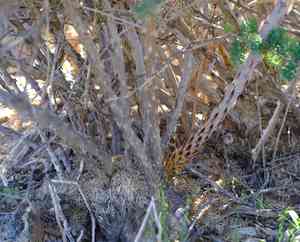
Grey asparagus (Asparagus mucronatus)
Also known as: Spiky Asparagus
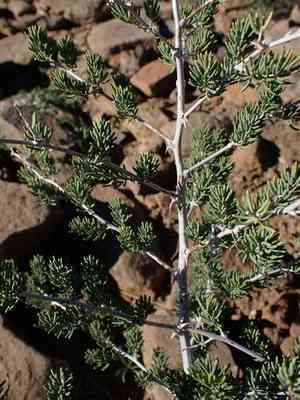
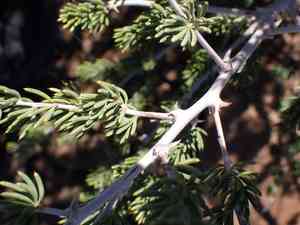
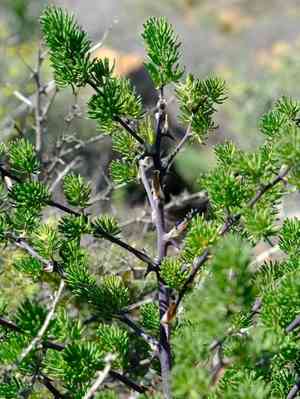
Grey asparagus is a perennial herbaceous plant with long, slender green stems and needle-like leaves that give it a feathery appearance. Its growth is favored by well-drained soil and sunny spots. Clusters of small, greenish-white flowers bloom in spring, often leading to red or purple berries. The plant's pointed leaf-tips are a key identifier, aiding its resilience by minimizing water loss.
In This Article
Attributes of Grey asparagus
Lifespan
Perennial
Plant Type
Herb
Plant Height
30-50 cm
Spread
20-30 cm
Leaf Color
Green
Flower Size
0.5 cm
Flower Color
White
Images of Grey asparagus
Quickly Identify Grey asparagus
1
The plant can be identified by its sharp, needle-like leaves and slender stems. Its spiky appearance is a key characteristic, as well as its small, inconspicuous flowers.
Scientific Classification of Grey asparagus
Phylum
Vascular plants
Class
Monocotyledons
Order
Asparagales
Family
Asparagus
Genus
Asparagus
Species
Grey asparagus
Planting and Growing of Grey asparagus
Care Difficulty
Moderate
Watering Schedule
Every 2 days
Sunlight Requirements
Partial sun
Sunshine Duration
4-8 hours
Ideal Temperature
65-75℉
Soil Type
Potting Mix, Peat Mix
Soil pH
6.5-7.5
Fertilizer Type
Balanced
Pruning Season
Spring, Summer
Pruning Area
Branches, Leaves
Pruning Frequency
Once a year
Repotting Season
Spring
Pot Type
Plastic, Ceramic
 How to Water Grey asparagus?
For Asparagus mucronatus, ensure the soil is thoroughly moist but not waterlogged with each watering session. Water approximately 200 milliliters each time, making sure the soil absorbs the moisture evenly without pooling at the plant's base.
What are the symptoms of an underwatered Grey asparagus?
›
What should I do if my Grey asparagus is not getting enough water?
›
What are the symptoms of an overwatered Grey asparagus?
›
How to save an overwatered Grey asparagus?
›
 What Are the Sunlight Requirements for Grey asparagus?
The ideal light range for Asparagus mucronatus is partial sun or full shade, where it benefits from soft, constant indirect light. Such conditions promote stable growth and foliage density.
What is the best lighting condition for Asparagus mucronatus?
›
How can you achieve ideal lighting for this plant?
›
What are the benefits of providing ideal lighting?
›
 What Is the Ideal Temperature Range for Grey asparagus?
The ideal temperature range for cultivating Asparagus mucronatus is between 65°F and 75°F. This range ensures that the plant can efficiently photosynthesize and metabolize nutrients, leading to healthy growth and development.
 What Soil is Best for Grey asparagus?
Asparagus mucronatus thrives best in well-drained soils. This prevents waterlogging, which can lead to root rot. Good drainage ensures that plants receive oxygen efficiently, promoting healthy growth and robust root development. The plant benefits from a nutrient-rich soil composition. Regularly enriching the soil with organic matter improves nutrient availability, which boosts plant vigor and increases resilience against pests and diseases. A sandy to light loamy soil texture is ideal so that the roots can spread easily while providing adequate support. This texture offers an excellent balance between moisture retention and quick drainage.
 How to Fertilize Grey asparagus?
For Asparagus mucronatus, use a balanced, water-soluble fertilizer at a strength of 1/4 teaspoon per gallon of water. This ensures the plant receives essential nutrients without overwhelming its root system. Modify the amount based on the plant's response or visible growth rate.
 How to Prune Grey asparagus?
Avoid pruning during the peak heat of the day as it can cause additional stress to the plant. Early morning or late afternoon when temperatures are cooler is the perfect time to prune. While it's necessary to prune, avoid cutting off more than a third of the plant at any one time. Doing so can shock the plant, reducing its ability to photosynthesize effectively. Keep an eye on the plant for the first few days after pruning. Watch for signs of distress, such as wilting or discoloration, which may require attention like adjusting light or water conditions.
More About Pruning Techniques→
 How to Propagate Grey asparagus plant?
1
If you are using seeds, soak them in warm water for 24 hours to soften the seed coat and increase germination potential. Sow them in a seed-starting mix and keep them moist until they germinate.
2
Select healthy, non-flowering shoots to take as cuttings. Cut them to a length of about 10 centimeters, remove lower leaves, and dip in rooting hormone before planting in growing medium.
3
When dividing the plant, carefully remove it from its pot or ground, and gently separate the root clumps ensuring each division has roots and shoots for a robust start.
 How to Repot Grey asparagus plant?
1
The ideal time to repot Asparagus mucronatus is when you notice its roots start to grow out of the drainage holes or it looks root-bound. The early signs include slower growth or soil drying out more quickly than usual. These changes typically suggest that the plant needs more space to flourish.
2
Choose a pot that is one size larger than the current one with ample drainage holes to prevent water accumulation. A well-sized pot encourages healthy growth without overwhelming the plant. Ceramic or plastic pots are ideal, as they offer stability and retain moisture better than terracotta.
3
The best soil for Asparagus mucronatus is a well-draining potting mix rich in organic matter. Such soil retains necessary moisture while allowing excess water to escape, preventing root rot. Look for a mix that includes peat, perlite, or coarse sand for optimal drainage.
Learn More About Grey asparagus Diseases
Anthracnose
Bacterial Leaf Spot
Bacterial Soft Rot
Bacterial Wilt
Chemical Injury
Crown Gall
Cyst Nematode
Damping-off
Downy Mildew
Drought Stress
Fusarium Wilt
Gray Mold
Leaf Curl
Leaf Spot
Mosaic
Nutrient Deficiency
Nutrient Toxicity
Powdery Mildew
Root Rot
Root-knot Nematode
Rusts
Sooty Mold
Spider Mites
Temperature Stress
Thrips Damage
White Mold



