How to Prune Showy milkwort?
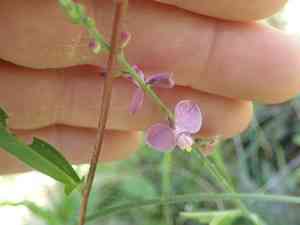
For showy milkwort, known for its vivid flowers, trimming is performed to stimulate abundant flowering and preserve its form. The ideal period for pruning is in spring, directly following the blooming phase, which facilitates the recovery of cuts and the emergence of new buds. During summer, light upkeep can be done by removing spent blossoms to encourage ongoing flowering. By autumn, judicious thinning of aged or densely packed stems is advantageous, enhancing air circulation and lowering the likelihood of disease. Pruning ought to be moderate, concentrating on lifeless or feeble growth to prevent undue strain on showy milkwort.
What Are the Benefits of Pruning Showy Milkwort?
What Are the Benefits of Pruning Showy Milkwort?
Trimming showy milkwort promotes robust development and helps keep its desired shape. This results in a healthier, more attractive plant that can thrive year after year.
What Is the Best Time for Pruning Showy Milkwort?
What Is the Best Time for Pruning Showy Milkwort?
Spring pruning allows for the removal of any winter frost damage and encourages a strong start for showy milkwort's active growth period. Early Summer trimming is perfect for shaping the plant and managing its size without impacting upcoming blooms. Late Fall cutting helps prepare showy milkwort for dormancy, eliminates dead or diseased wood, and reduces the risk of winter harm. Pruning during these seasons aligns with showy milkwort's natural growth cycle and avoids cutting during peak flowering, ensuring it keeps its ornamental value and vitality.
What Tools Do I Need to Prune Showy Milkwort?
Bypass Pruners
Excellent for making clean, precise cuts on showy milkwort's smaller stems and branches. These pruners operate like scissors, with two blades passing each other to make the cut. This type of pruner typically causes less damage to plant tissue.
Pruning Shears
Useful for trimming back showy milkwort's soft stems or deadheading flowers. These shears are ideal for snipping through softer, non-woody stems.
Garden Scissors
Suitable for shaping showy milkwort or harvesting flowers. Garden scissors allow for accurate snips and can maneuver around showy milkwort's delicate stems and leaves without causing unnecessary harm.
How to Prune Showy Milkwort
Clean tools
Sanitize pruning shears with alcohol to prevent the spread of disease.
Identify withered leaves
Examine showy milkwort closely to find all the dried leaves that need to be removed.
Cut withered leaves
Use the sterilized shears to cut the withered leaves at their base where they meet the stem. Make clean cuts without tearing the plant tissue.
Dispose trimmed material
Gather and discard the withered leaves to prevent any potential disease from spreading.
Health check
Inspect the showy milkwort for signs of pests or diseases after pruning, and take appropriate action if any are found.
Common Pruning Mistakes with Showy Milkwort
Overpruning
Overpruning is a frequent error involving the removal of too much foliage, which can stress showy milkwort, weakening its defenses against pests and diseases.
Improper cut locations
Making cuts too close to the main stem or too far from the nodes can impede optimal healing and regrowth in showy milkwort.
Using dull tools
Blunt pruning tools can create jagged cuts, potentially leading to infection and poor regrowth in showy milkwort.
Neglecting sanitation
Failing to disinfect tools between cuts, especially when working with diseased plants, can spread pathogens to healthy parts of showy milkwort or even to other plants.
Ignoring plant form
Disregarding the natural growth habit and shape of showy milkwort during pruning can result in an unnatural appearance and reduced flowering.
Common Pruning Tips for Showy Milkwort
Selective pruning
To maintain the health and beauty of showy milkwort, selectively remove dead, diseased, or crossing branches to improve air circulation and light penetration.
Appropriate cut angle
Cut at a 45-degree angle about 1/4 inch above an outward-facing bud to encourage outward growth and prevent water accumulation on the cut surface in showy milkwort.
Sterilize pruning tools
Before making cuts and when moving between plants, sterilize tools with alcohol or bleach solution to prevent the spread of disease in showy milkwort.
Follow natural shape
When pruning showy milkwort, adhere to the plant's natural form and aim to maintain a balanced structure for optimal health and flowering.
Rejuvenation pruning
If showy milkwort has become leggy or overgrown, consider rejuvenation pruning to renew and promote vigorous growth, but ensure it is not done excessively.



