How to Prune Parish's woolly milkweed?
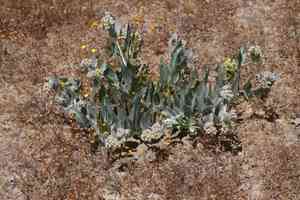
Parish's woolly milkweed, distinguished by the thick, fibrous covering on its stalks and foliage, benefits from judicious trimming in early spring or summer to foster vitality and robust development. Shorten the previous year's stem to just above a leaf node to stimulate new shoots. This process revitalizes the plant and improves its environment for pollinators by eliminating aged, less fruitful sections. Avoid extensive cutting during the flowering period to safeguard blossoms crucial for indigenous fauna.
What Are the Benefits of Pruning Parish's Woolly Milkweed?
What Are the Benefits of Pruning Parish's Woolly Milkweed?
Trimming parish's woolly milkweed boosts its vigorous development and maintains its form. Regular cutting encourages a strong structure and prevents the plant from becoming overgrown, ensuring optimal health and visual appeal.
What Is the Best Time for Pruning Parish's Woolly Milkweed?
What Is the Best Time for Pruning Parish's Woolly Milkweed?
Pruning parish's woolly milkweed in Spring, especially after the last frost, is optimal as it aids in promoting robust growth and plant health as it enters its active growing period. Early Summer pruning, conversely, helps shape the plant and manage its size, ensuring energy is directed towards new, healthy growth rather than maintaining older or potentially damaged sections. This timing aligns with the plant's life cycle, leveraging its natural growth spurts while minimizing stress and maximizing its flowering potential for the season.
What Tools Do I Need to Prune Parish's Woolly Milkweed?
Bypass Pruners
Perfect for making clean, precise cuts on the softer stems of parish's woolly milkweed. These pruners inflict less harm on plant tissues, encouraging healthier regrowth.
Pruning Shears
Effective for cutting through thicker, woodier parts of parish's woolly milkweed without causing splintering.
Gloves
Crucial for protecting hands from the sap of parish's woolly milkweed, which can irritate certain skin types.
How to Prune Parish's Woolly Milkweed
Identify
Locate and evaluate the diseased and withered leaves on parish's woolly milkweed. Look for indications of fungal spots, discoloration, or dry, brittle edges, which reflect the leaves' health and vitality.
Sanitize
Disinfect your pruning tools before and after use to prevent disease transmission. Use a solution of 1 part bleach to 9 parts water or rubbing alcohol to thoroughly clean the blades.
Prune leaves
Carefully remove diseased and withered leaves from parish's woolly milkweed using sharp, clean shears. Cut at the base of the leaf stem, ensuring not to tear or damage healthy parts of the plant.
Examine stems
Inspect stems of parish's woolly milkweed for signs of disease, such as unusual swellings, lesions, or discolored bark. These symptoms indicate potentially diseased stems.
Prune stems
Trim diseased stems by cutting at least 2-3 inches into healthy tissue beyond the infection site to ensure all diseased material is removed. Make the cuts at a 45-degree angle to promote healthy regrowth and prevent water accumulation on the cut surfaces.
Common Pruning Mistakes with Parish's Woolly Milkweed
Overpruning
A frequent error is removing too much growth at once, which can stress parish's woolly milkweed, reducing its resilience and blooming capacity.
Cutting back in spring
Trimming parish's woolly milkweed in spring can accidentally remove emerging buds, significantly decreasing the flowering potential for that season.
Improper tool use
Using dull or dirty pruning shears can harm the stems of parish's woolly milkweed, leading to jagged cuts vulnerable to pests and diseases.
Ignoring plant shape
Failing to consider the natural form of parish's woolly milkweed during pruning can result in an unnatural appearance and uneven growth.
Common Pruning Tips for Parish's Woolly Milkweed
Selective thinning
Focus on selectively removing only the oldest stems to rejuvenate parish's woolly milkweed while maintaining its natural shape. This method encourages healthy new growth and flowering.
Tool cleanliness
Always use sharp, clean pruning shears to make clean cuts that heal quickly, preventing disease entry.
Pathogen prevention
Avoid pruning during wet conditions as this can spread diseases to parish's woolly milkweed. Dry days are most favorable for making cuts.
Observation first
Inspect parish's woolly milkweed thoroughly before cutting, targeting dead, diseased, or overgrown stems to enhance plant health and appearance.
Conservative approach
Especially for inexperienced gardeners, adopting a conservative approach by initially removing less and observing the plant's response can prevent excessive damage.



