How to Prune Tuba milkweed?
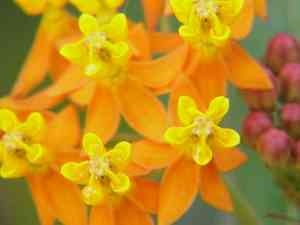
Tuba milkweed exhibits soft, fuzzy foliage and groupings of tiny blossoms, frequently drawing butterflies. Trim tuba milkweed during the latter part of winter or early spring, prior to the emergence of new shoots. Eliminate any lifeless or compromised stalks to foster vigorous growth. Reducing dense stems enhances air movement and light exposure. Refrain from severe trimming, as this can cause strain to the plant. Consistent, gentle pruning preserves its form and vitality, contributing to a strong and appealing garden display. Refer to reputable gardening resources for comprehensive care instructions.
What Are the Benefits of Pruning Tuba Milkweed?
What Are the Benefits of Pruning Tuba Milkweed?
Tuba milkweed will grow vigorously and maintain its form through trimming. This practice encourages robust development, boosts blooming, manages plant size, and improves resistance to pests and diseases.
What Is the Best Time for Pruning Tuba Milkweed?
What Is the Best Time for Pruning Tuba Milkweed?
Trimming in late winter or early spring is optimal for tuba milkweed as it aligns with the plant's dormant phase. During these periods, tuba milkweed has paused active growth, allowing it to recover more effectively and lowering the risk of disease transmission. Furthermore, pruning before new growth begins ensures energy is directed towards healthy new shoots and, if applicable, enhances the plant's flowering potential for the upcoming season.
What Tools Do I Need to Prune Tuba Milkweed?
Bypass Pruners
Perfect for making precise cuts on live stems and branches without crushing plant tissues, especially vital for tuba milkweed's delicate growth.
Hedge Shears
Useful for shaping and trimming tuba milkweed to preserve its desired form, particularly during the growing season.
Pruning Saw
Suitable for cutting through any thicker stems or branches that might develop on older, more established tuba milkweed plants.
Gloves
Protects hands from potential irritants and ensures a better grip on tools when handling tuba milkweed.
Sterilizing Solution
Crucial for cleaning tools before and after pruning to prevent the spread of disease among tuba milkweed plants.
How to Prune Tuba Milkweed
Assessment
Perform a thorough examination of tuba milkweed. Identify any diseased leaves characterized by discoloration, spots, or other signs of illness, as well as any withered leaves showing brown or dry areas.
Sterilization
Prepare your pruning tools by sterilizing them with a solution of 10% bleach or rubbing alcohol to prevent the spread of diseases.
Removal diseased leaves
Carefully prune diseased leaves at the base of the leaf stem, making clean cuts to avoid tearing the plant tissue. Ensure you dispose of the pruned leaves properly to prevent the spread of pathogens.
Removal withered leaves
Trim withered leaves by following the same clean cut principle. Cut as close to the base as possible to remove the entire leaf and stimulate healthy growth.
Disposal cleaning
After pruning, dispose of all trimmed parts away from the garden area. Clean and sterilize your tools again to avoid any disease transfer to other plants.
Common Pruning Mistakes with Tuba Milkweed
Over-pruning
Removing too much from the plant can stress it, reduce its ability to photosynthesize, and hinder flowering. It's important to be conservative and only remove what is necessary.
Incorrect angle cuts
Pruning at the wrong angle can harm the plant, create entry points for disease, and impede proper healing. Cuts should generally be made at a 45-degree angle, sloping away from the bud.
Pruning at the wrong time
Pruning during the incorrect stage of the plant's growth cycle can stunt growth and reduce flowering. Timing is crucial and specific to tuba milkweed's requirements, though this guide does not cover seasonal timing.
Common Pruning Tips for Tuba Milkweed
Use sharp, clean tools
Ensure tools are sharp and sterilized to make clean cuts and prevent the spread of disease. This reduces the chance of leaving ragged wounds that could harbor pathogens.
Remove dead and damaged parts first
Start by identifying and removing any dead or damaged stems and leaves. This encourages healthy growth and prevents the plant from wasting energy on non-viable parts.
Prune to maintain shape
Regular pruning helps maintain the structural integrity and desired shape of tuba milkweed. Focus on enhancing air circulation and light penetration through the plant.
Promote new growth by cutting back
Trim back to a healthy bud to encourage new growth and flowering. This helps direct the plant's energy towards producing robust, fresh growth.



