
Tuba milkweed (Asclepias tomentosa)
Also known as: Velvet Milkweed
Tuba milkweed, also known as *Cynanchum laeve*, is a perennial vine with distinctive heart-shaped leaves and clusters of small, white, star-shaped flowers. It blooms from late summer to early fall and produces seed pods that release silky-haired seeds for wind dispersal.
This plant favors open, sunny environments with moist, well-drained soils. It is commonly found in fields, prairies, roadsides, and forest edges. Native to North America, Tuba milkweed adapts to a variety of soil types but thrives best in richer soils. The flowers are a nectar source for butterflies, adding ecological value to its habitat.
In This Article
Attributes of Tuba milkweed
Lifespan
Perennial
Plant Type
Herb
Plant Height
30-100 cm
Spread
Varies, generally not measured for herbaceous plants like this.
Leaf Color
Green with a woolly texture
Flower Size
0.5-1 cm
Flower Color
Greenish-yellow to whitish
Images of Tuba milkweed
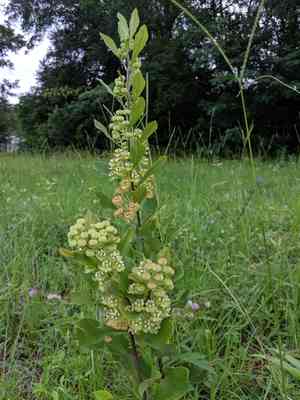
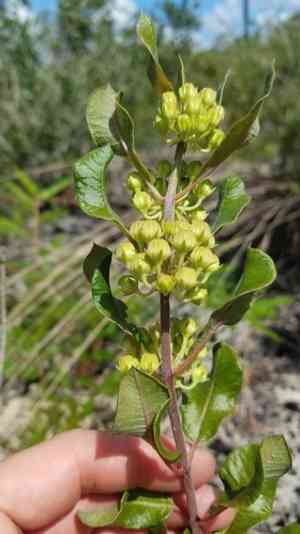
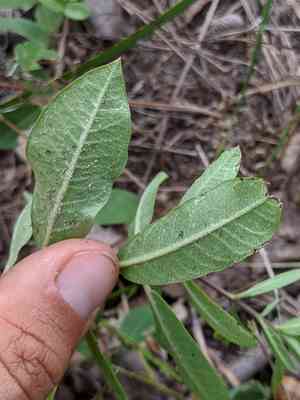
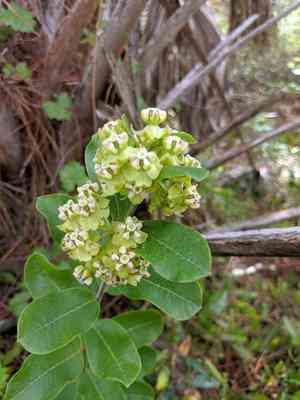
Quickly Identify Tuba milkweed
1
Velvet Milkweed can be identified by its dense, woolly leaves and its greenish-yellow to whitish flowers that form in umbels. The plant also exudes a milky sap when damaged.
Scientific Classification of Tuba milkweed
Phylum
Vascular plants
Class
Dicotyledons
Order
Gentianales
Family
Dogbane
Genus
Milkweeds
Species
Tuba milkweed
Planting and Growing of Tuba milkweed
Care Difficulty
Easy
Watering Schedule
Every 2 days
Sunlight Requirements
Full sun
Sunshine Duration
6-8 hours
Ideal Temperature
60-75℉
Soil Type
Potting Mix, Peat Mix
Soil pH
6.5-7.5
Fertilizer Type
Balanced
Pruning Season
Spring, Summer
Pruning Area
Branches, Leaves
Pruning Frequency
2 times a year
Repotting Season
Spring
Pot Type
Plastic, Ceramic
 How to Water Tuba milkweed?
For Asclepias tomentosa, also known as fuzzy milkweed, each watering session should aim to saturate the top few inches of soil without waterlogging it. This typically translates to approximately 250 milliliters. Consistency in this amount ensures that the plant receives adequate moisture to sustain its growth while avoiding root rot.
What are the symptoms of an underwatered Tuba milkweed?
›
What should I do if my Tuba milkweed is not getting enough water?
›
What are the symptoms of an overwatered Tuba milkweed?
›
How to save an overwatered Tuba milkweed?
›
 What Are the Sunlight Requirements for Tuba milkweed?
Asclepias tomentosa excels in full sun, benefiting from 6 to 8 hours of direct sunlight daily, which enhances flowering and strengthens plant vigor.
What type of sunlight does Asclepias tomentosa prefer?
›
What are the solutions for providing ideal lighting to Asclepias tomentosa?
›
What are the benefits of ideal lighting for Asclepias tomentosa?
›
 What Is the Ideal Temperature Range for Tuba milkweed?
The ideal temperature range for growing Asclepias tomentosa is between 60°F and 75°F. Maintaining this range supports optimal growth and flowering. An environment within these temperatures ensures proper enzyme activity and photosynthesis rates, allowing the plant to thrive.
 What Soil is Best for Tuba milkweed?
Asclepias tomentosa thrives best in well-drained soil, as it prevents roots from sitting in water which could lead to root rot. Ensuring your soil drains properly will promote healthy root growth and overall plant vitality. While not overly demanding, Asclepias tomentosa benefits from nutrient-rich soil. Incorporating organic matter like compost can enhance soil fertility, supporting robust growth and lush foliage that attract pollinators. This plant appreciates soil with moderate moisture retention. While it prefers not to be waterlogged, maintaining a consistent moisture level helps it to sustain flowering periods and thrive in its natural habitat.
 How to Fertilize Tuba milkweed?
For Asclepias tomentosa, apply a balanced fertilizer with an N-P-K ratio of 10-10-10 or 20-20-20 at half strength. Aim for about 1/4 to 1/2 cup per plant, ensuring the plant has well-drained soil to prevent nutrient runoff.
 How to Prune Tuba milkweed?
Begin by sterilizing your pruning shears to prevent disease spread. Focus on cutting back broken or dead stems at the base, and trim back any overgrown shoots to maintain the desired shape. Be sure to leave enough foliage for photosynthesis. Aim for a clean cut to allow for proper healing.
More About Pruning Techniques→
 How to Propagate Tuba milkweed plant?
1
Collect mature seeds from the pods when they are dry and brown. Ensure that the seeds are harvested just before the pods burst open.
2
Fill a seed tray with a well-draining potting mix, making sure the soil is moist but not waterlogged before planting the seeds.
3
Place the seeds on the surface of the soil and cover them lightly with a thin layer of potting mix, ensuring they are not buried too deeply.
 How to Repot Tuba milkweed plant?
1
Asclepias tomentosa should be repotted when you notice it's outgrowing its current pot, evident by roots poking out through drainage holes or a rapid decline in soil quality. Also, if you notice water not draining well or the plant becoming top-heavy, it's time for a new home.
2
Select a pot that is one to two inches larger in diameter than the current one to allow for root growth. Ensure it has adequate drainage holes to prevent waterlogging, which can lead to root rot and unhealthy plant growth.
3
Opt for a well-draining sandy soil mix, which mimics the native environment of Asclepias tomentosa. This type of soil reduces humidity around roots, preventing rot and providing the necessary nutrients and structure for optimal growth.
Toxicity
Ingestion
WARNING
The judgment on toxicity and danger is for reference only. We DO NOT GUARANTEE any accuracy of such judgment. Therefore, you SHALL NOT rely on such judgment. It is IMPORTANT TO SEEK PROFESSIONAL ADVICE in advance when necessary.
Learn More About Tuba milkweed Diseases
Anthracnose
Bacterial Leaf Spot
Bacterial Soft Rot
Bacterial Wilt
Chemical Injury
Crown Gall
Cyst Nematode
Damping-off
Downy Mildew
Drought Stress
Fusarium Wilt
Gray Mold
Leaf Curl
Leaf Spot
Mosaic
Nutrient Deficiency
Nutrient Toxicity
Powdery Mildew
Root Rot
Root-knot Nematode
Rusts
Sooty Mold
Spider Mites
Temperature Stress
Thrips Damage
White Mold



