How to Prune Texas milkweed?
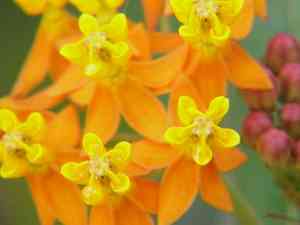
This enduring plant is valued for its beautiful blossoms and its function as a dietary staple for monarch butterfly larvae. For texas milkweed, trimming should mainly focus on removing faded flowers to stimulate further blooming and eliminating any lifeless or compromised stalks to sustain the plant's well-being. The most effective time for pruning is following its spring or summer flowering period to foster fresh development. Particular attention should be paid to limiting pruning to safeguard the habitats of butterfly larvae. Pruning aids texas milkweed by encouraging robust development and elevating its aesthetic charm.
Advantages of Trimming Texas Milkweed
Advantages of Trimming Texas Milkweed
Trimming texas milkweed promotes strong development and assists in maintaining its desired form. It stimulates fresh shoots, boosting the plant's vigor and visual appeal.
Optimal Time for Trimming Texas Milkweed
Optimal Time for Trimming Texas Milkweed
Late spring and early summer are the best periods for trimming or pruning texas milkweed. In late spring, the frost risk has passed, minimizing stress and potential harm to texas milkweed as it enters its active growth phase. Early summer is suitable for pruning because it follows texas milkweed's main flowering period, allowing gardeners to shape the plant and remove faded blooms to encourage more flowers. Pruning during these seasons aligns with texas milkweed's natural growth cycle and helps maintain health, vitality, and an attractive shape without disrupting its blooming or seeding stages.
Tools Required for Trimming Texas Milkweed
Hand Pruners
Perfect for making clean cuts on texas milkweed's stems without harming the plant. Hand pruners, also known as secateurs, should be sharp and fit comfortably in hand for precise trimming.
Pruning Saw
Useful for cutting through any mature or woody stems of texas milkweed that are too thick for hand pruners. A pruning saw might be needed to manage older growth or remove larger plant sections.
Gloves
Protective gloves are advised when trimming texas milkweed to shield against the plant's sap, which can irritate skin. Gloves also offer a better grip on pruning tools.
Garden Shears
Helpful for shaping texas milkweed or cutting multiple thin stems simultaneously. Shears are less precise than hand pruners but can be more efficient for quickly trimming back foliage.
How to Trim Texas Milkweed
Sanitize Tools
Sterilize pruning implements before beginning to prevent disease spread. Use a solution of one part bleach to nine parts water or rubbing alcohol to clean the blades.
Remove Diseased Foliage
Carefully inspect texas milkweed for diseased leaves. Using your sterilized tools, snip off the diseased leaves at their base, but avoid removing healthy tissue.
Remove Withered Foliage
Identify any withered or old leaves on texas milkweed. Gently trim these leaves at their base to enhance air circulation and light exposure, which can stimulate new growth and flowering.
Remove Diseased Stems
Examine texas milkweed for any diseased stems. Cut back the stems to a healthy section using an angled cut to allow water to drain and reduce the risk of further disease.
Discard Trimmed Parts
Properly dispose of the trimmed diseased material away from texas milkweed and other plants to prevent contamination. Do not compost these parts as diseases can spread through compost.
Common Trimming Errors with Texas Milkweed
Excessive Trimming
Beginner gardeners may mistakenly remove too much of texas milkweed's foliage, which can stress the plant and potentially reduce its ability to thrive and flower.
Incorrect Cut Placements
Cutting texas milkweed too far from a leaf node can result in unattractive and unproductive stems, while cutting too close can damage the node and hinder new growth.
Neglecting Tool Sanitation
Failing to clean pruning tools before use can introduce diseases to texas milkweed, potentially compromising the plant's health.
Trimming Healthy Growth
Removing healthy growth indiscriminately can impede abundant blossoming and robust development in texas milkweed.
Ignoring Plant Form
Neglecting to consider the natural shape of texas milkweed while trimming can lead to an unnatural appearance and potentially damage the plant's structural integrity.
General Trimming Advice for Texas Milkweed
Sharp Tools
Utilize clean, sharp, and sanitized tools to make precise cuts, which help texas milkweed heal faster and lower disease risk.
Deadhead Spent Flowers
Regularly remove faded flowers to encourage texas milkweed to produce more blooms and maintain a neat appearance.
Thinning
Thin out crowded areas to improve air circulation and light penetration, crucial for maintaining texas milkweed's health and vitality.
Cut Angle
Make pruning cuts at a 45-degree angle above a leaf node to promote healthy new growth and prevent water from collecting on the cut surface, which could lead to decay.
Maintenance Trimming
Perform light maintenance trimming by removing dead or damaged stems, which helps to invigorate texas milkweed and keeps it looking its best.



