Enhancing Your Garden Design with the Texas milkweed Plant: A Landscaping Guide
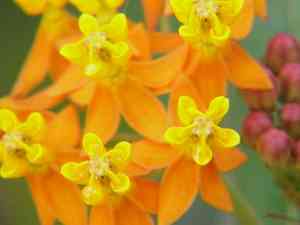
1
Texas milkweed offers a unique aesthetic with its distinct hues and feel.
2
This plant requires minimal care while providing significant garden design impact.
3
Texas milkweed fosters local wildlife, drawing in diverse species.
Appreciating the Aesthetic Value of Texas milkweed
Features of Texas milkweed That Enhance Landscape Design
A key attribute of Texas milkweed is its capacity to elevate any garden scheme with its distinct look. The plant exhibits an upright, slender form that introduces vertical interest to garden layouts, providing a lovely contrast with more rounded or sprawling flora. Its leaf structure, paired with its delicate blooms, offers an organic yet organized aesthetic. Whether you're aiming for a wild, naturalistic garden or a more structured, refined landscape, Texas milkweed is sure to boost visual appeal.
Color and Texture: A Natural Contrast
The color range of Texas milkweed is another reason it's a favorite among gardeners. With its gentle, subtle tones, it brings a refreshing visual element that helps to break up the uniformity of more common garden plants. The leaves and stems of Texas milkweed typically display shades from a pale green to a deeper, muted hue, providing a pleasant backdrop to its more vibrant, creamy-white blossoms. This combination of color and texture offers a soft contrast, improving the overall aesthetic and making other plants in the garden stand out.
Seasonal Transformations and Their Visual Impact
Throughout the year, Texas milkweed continues to provide visual pleasure. In spring, new growth introduces a fresh green to your garden, and by summer, the plant is often in full bloom, displaying its charming flowers. As autumn approaches, the foliage can adopt a slightly darker shade, adding depth to the seasonal color palette of your garden. This year-round contribution to garden aesthetics ensures that Texas milkweed remains an attractive and engaging focal point regardless of the season.
Incorporating Texas milkweed into Your Existing Landscape
Selecting the Ideal Location: Sunlight and Soil
When integrating Texas milkweed into your garden, it's vital to choose a spot that meets its sunlight and soil requirements. Texas milkweed thrives in full sun, meaning it needs at least six hours of direct sunlight daily. Planting it in a sunny location ensures robust growth and abundant flowering. Regarding soil, Texas milkweed is quite adaptable but flourishes best in well-drained soil. Preparing the planting area by adding organic matter can improve soil structure and fertility, giving your Texas milkweed plants the best start.
Companion Plants: What Pairs Best with Texas milkweed
Choosing companion plants for Texas milkweed can significantly strengthen your garden's visual harmony and health. Consider pairing Texas milkweed with other native perennials or grasses that prefer similar conditions. For instance, plants like Black-eyed Susan or Coneflower can complement the height and flowering period of Texas milkweed, creating a cohesive and attractive arrangement. Additionally, incorporating plants that attract beneficial insects and pollinators can further enhance the ecological balance and beauty of your garden.
Maintaining Balance: Density and Spacing Recommendations
Proper spacing is crucial to ensure each Texas milkweed plant has ample room to flourish without competing for resources. Plant Texas milkweed specimens approximately 18 to 24 inches apart. This spacing allows for adequate airflow, reducing the risk of disease, and ensures that each plant receives sufficient sunlight. If planting in a mass, consider using a staggered row pattern to achieve a more natural and fuller appearance. Monitor the density as your plants mature, thinning out if necessary to maintain balance and visual appeal.
Year-Round Appeal: Advantages of Cultivating Texas milkweed
Durability and Perennial Growth Habits
Texas milkweed is a perennial, meaning it will return annually, providing a stable and enduring element in your garden design. Its long-lived nature makes it a wise investment for gardeners seeking to establish a dependable and low-maintenance planting scheme. Unlike annuals, which require replanting each year, Texas milkweed will establish itself more strongly with each passing season, becoming a steadfast component of your garden's structure.
Wildlife Attraction: Supporting Local Biodiversity
By cultivating Texas milkweed, you're not only enhancing your garden's aesthetics but also contributing to local biodiversity. Texas milkweed is a magnet for various pollinators, including butterflies and bees, which play vital roles in the ecosystem. Furthermore, it provides a habitat and food source for other beneficial insects and wildlife. This ecological benefit makes Texas milkweed a valuable addition to gardens, especially for those who are passionate about supporting local wildlife and promoting a healthy environment.
Low Maintenance Yet High Impact
One of the greatest benefits of incorporating Texas milkweed into your garden is its low maintenance nature. Once established, Texas milkweed requires minimal care, making it ideal for gardeners of all experience levels. It possesses excellent drought tolerance, reducing the need for frequent watering. Regular checks for pests and occasional pruning to remove spent flowers can help maintain its optimal appearance. This low maintenance aspect combined with its significant visual impact makes Texas milkweed a winning choice for many garden enthusiasts.
Creative Approaches to Featuring Texas milkweed in Your Garden
Innovative Planting Concepts: Borders, Islands, and More
To truly highlight Texas milkweed in your garden, consider imaginative planting arrangements like borders or island beds. Placing Texas milkweed along the edge of borders can create a defined yet soft transition between different garden zones. Alternatively, planting Texas milkweed in an island bed can draw attention to a specific focal point within the garden. Mixing it with other textures and heights within these arrangements can provide layered interest and dynamic visual effects.
Utilizing Texas milkweed in Vertical Gardens and Containers
Texas milkweed isn't solely for traditional garden beds; it can also be effectively employed in vertical gardens and containers. Its robust nature and striking appearance make it an excellent candidate for vertical gardening solutions, which are perfect for smaller areas. Planting Texas milkweed in containers allows you greater control over its environment and makes it possible to relocate the plants as needed. This adaptability helps gardeners maximize limited space while still enjoying the aesthetic benefits Texas milkweed offers.
Accentuating Texas milkweed with Outdoor Illumination
Another method to showcase Texas milkweed is through strategic outdoor lighting. Using spotlights or uplights can emphasize the plant's unique structure and beautiful flowers, creating stunning night-time visuals. Lighting can also improve safety and ambiance in your garden. Placing lights at the base of the plants ensures that the visual appeal of Texas milkweed extends well into the evening, adding an extra dimension to your outdoor space and making your garden a delight to behold both day and night.



