How to Prune Slimleaf milkweed?
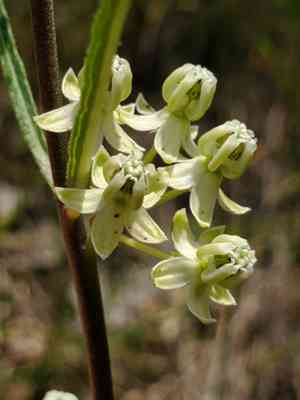
Asclepias linearis, recognized for its thin foliage and elevated, delicate form, flourishes with judicious trimming to preserve its structure and well-being. Trimming should primarily take place in spring as Asclepias linearis awakens from its dormant state, with minor upkeep permissible in summer and autumn to eliminate deceased or compromised stalks. This practice invigorates Asclepias linearis and improves its blooming, which is crucial for drawing in beneficial insects. Refrain from extensive winter pruning to avert strain and potential frost harm to fresh incisions.
What Are the Advantages of Trimming Slimleaf Milkweed?
What Are the Advantages of Trimming Slimleaf Milkweed?
Trimming slimleaf milkweed encourages robust development and maintains its desired form. Consistent cutting back helps revitalize the plant, fostering a denser and more visually pleasing structure.
When Is the Optimal Time for Trimming Slimleaf Milkweed?
When Is the Optimal Time for Trimming Slimleaf Milkweed?
Trimming slimleaf milkweed in Spring is ideal as it prepares the plant for new growth, occurring soon after the frost risk has passed, ensuring cuts heal effectively without extreme cold exposure. Summer trimming can help manage the size and shape of slimleaf milkweed, keeping it well-controlled throughout its active growth period. Fall trimming is beneficial for reducing the plant's burden before dormancy, also aiding in preventing potential disease spread in wet winter conditions.
What Tools Are Necessary to Trim Slimleaf Milkweed?
Hand Pruners
Perfect for making precise cuts on slimleaf milkweed's stems, aiding in managing its spread and promoting healthy growth. Choose bypass pruners over anvil types for clean cuts without crushing plant tissues.
Pruning Shears
Useful for cutting back thinner stems and dead or diseased material, thereby stimulating new growth and blooms in slimleaf milkweed. Ensure blades are sharp to prevent damage to delicate stems.
Gardening Gloves
Essential for protecting hands from the irritating milky sap of slimleaf milkweed. Select gloves offering dexterity and comfort for effective tool handling.
How to Trim Slimleaf Milkweed
Assess
Inspect slimleaf milkweed for any diseased, withered leaves or dead and unhealthy branches. Utilize clean, sharp pruning shears.
Remove diseased leaves
Carefully snip off any diseased leaves at their base or where they join the stem. Dispose of leaves away from the plant to prevent disease transmission.
Remove withered leaves
Cut off any withered leaves to enhance airflow and plant vitality. Remove them completely by cutting at their base.
Remove dead branches
Identify and cut dead branches back to a healthy section of the plant or to the main stem, using a clean, sharp implement.
Remove diseased branches
Trim diseased branches by cutting well below the affected area, ensuring to sanitize the pruning tool between cuts to prevent disease spread.
Common Trimming Errors with Slimleaf Milkweed
Excessive trimming
Cutting back slimleaf milkweed too severely can significantly reduce or even prevent flowering. Inexperienced gardeners often remove too much plant material, fearing less cutting could lead to unruly growth, unaware that slimleaf milkweed benefits from a lighter approach.
Incorrect cut location
Making cuts too far from a node can result in unsightly stubs that not only detract from the plant's appearance but also create entry points for pests and diseases. Conversely, cuts too close to the node can harm growth points, hindering regrowth.
Using dull tools
Trimming slimleaf milkweed with dull or unclean tools can damage plant tissues, leading to jagged cuts that heal poorly. This error can invite pathogens and cause significant stress to slimleaf milkweed.
Disregarding plant structure
Failing to consider the natural structure and growth habit of slimleaf milkweed often leads to unbalanced trimming. This can result in a weakened plant unable to support its own weight, or one that struggles due to poor light penetration and air circulation.
General Trimming Advice for Slimleaf Milkweed
Clean cuts
Always use sharp, clean pruning shears to make precise cuts on slimleaf milkweed. This promotes healthier, quicker healing and reduces disease risk.
Cut at a node
Make trimming cuts just above a leaf node where leaf buds are present. This encourages slimleaf milkweed to produce new growth from the node, helping maintain a dense and aesthetically pleasing shape.
Moderation
Trim slimleaf milkweed moderately to encourage flowering without drastically altering its natural form. Remove only necessary parts such as damaged stems, weak growth, or overly crowded branches to enhance the plant's overall health and visual appeal.
Regular maintenance
Periodically inspect slimleaf milkweed for any signs of old or dead material, removing these throughout the growing season. This keeps the plant tidy and redirects its energy towards producing vibrant flowers and robust new growth.



