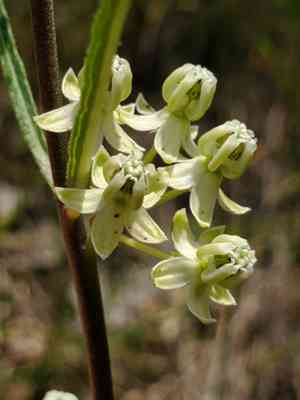
Slimleaf milkweed (Asclepias stenophylla)
Also known as: Narrowleaf Milkweed, Slimleaf Milkweed
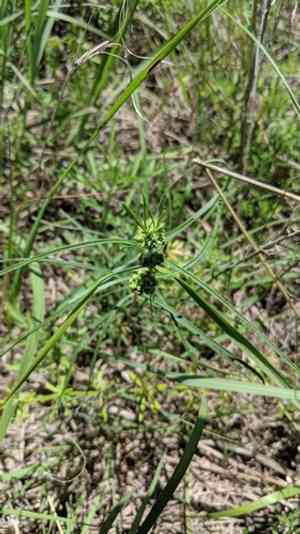
Slimleaf milkweed, a crucial and endangered perennial, serves as an essential food and shelter source for Monarch butterflies and their larvae. Monarchs rely exclusively on milkweed for sustenance, making the conservation of this plant vital. Slimleaf milkweed can be identified by its very narrow, almost thread-like leaves, setting it apart from other milkweed species.
In This Article
Attributes of Slimleaf milkweed
Lifespan
Perennial
Plant Type
Herb, Shrub
Plant Height
30 cm to 61 cm
Spread
30 cm
Leaf Color
Green
Flower Size
1 cm
Flower Color
White Green
Images of Slimleaf milkweed
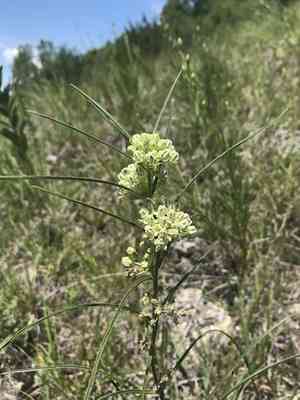
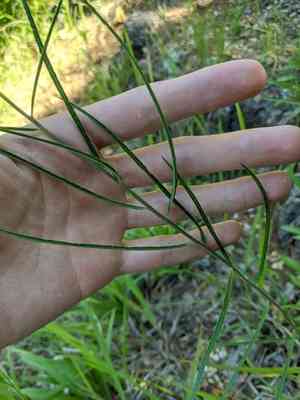
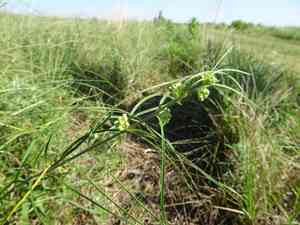
Quickly Identify Slimleaf milkweed
1
The plant can be identified by its narrow, needle-like leaves which are distinctively linear and arranged in opposite pairs. Its flowers are small, white to cream-colored, and grow in umbels.
Scientific Classification of Slimleaf milkweed
Phylum
Vascular plants
Class
Dicotyledons
Order
Gentianales
Family
Dogbane
Genus
Milkweeds
Species
Slimleaf milkweed
Planting and Growing of Slimleaf milkweed
Care Difficulty
Easy
Watering Schedule
Every 2 days
Sunlight Requirements
Full sun
Sunshine Duration
4-8 hours
Ideal Temperature
65-75℉
Soil Type
Potting Mix, Peat Mix
Soil pH
6.5-7.5
Fertilizer Type
Balanced
Pruning Season
Spring, Summer
Pruning Area
Branches, Leaves
Pruning Frequency
2 times a year
Repotting Season
Spring
Pot Type
Plastic, Ceramic
 How to Water Slimleaf milkweed?
For Asclepias stenophylla, ensure the soil is thoroughly moistened yet free-draining. A deep soak of 250 ml is sufficient to reach the root zone, but ensure no waterlogged conditions occur.
What are the symptoms of an underwatered Slimleaf milkweed?
›
What should I do if my Slimleaf milkweed is not getting enough water?
›
What are the symptoms of an overwatered Slimleaf milkweed?
›
How to save an overwatered Slimleaf milkweed?
›
 What Are the Sunlight Requirements for Slimleaf milkweed?
Asclepias stenophylla ideally requires full sun or 6-8 hours of direct sunlight. This range facilitates optimal growth conditions, supporting vigorous and healthy development characterized by prolific blooms.
How much light is optimal?
›
How can you achieve these conditions?
›
What benefits does ideal lighting offer?
›
 What Is the Ideal Temperature Range for Slimleaf milkweed?
The ideal temperature range for growing Asclepias stenophylla is between 65°F and 75°F. This temperature range provides optimal conditions for the plant's physiological processes, including photosynthesis and respiration. Maintaining this range ensures healthy growth and development, as the plant can efficiently utilize nutrients and water while maximizing photosynthetic activity.
 What Soil is Best for Slimleaf milkweed?
Asclepias stenophylla thrives in well-drained soil, which is crucial for preventing root rot and promoting healthy growth. Ensuring that the soil has good drainage allows the roots to access oxygen, which is essential for the plant's survival and vigorous flowering. This plant does well in moderately fertile soils that provide enough nutrients without being overly rich. Excessive nutrients can lead to poor flower production and excessive vegetative growth that might not withstand environmental stress well. A pH level that remains relatively neutral (between 6.5 and 7.5) suits Asclepias stenophylla well. It helps with nutrient bioavailability, which in turn supports healthy plant development and resilience to pests and diseases.
 How to Fertilize Slimleaf milkweed?
For Asclepias stenophylla, it is recommended to use a balanced, water-soluble fertilizer. Mix 1/4 teaspoon of the fertilizer in a gallon of water. This solution should be applied gently to the soil surrounding the base of the plant. Be cautious not to overapply, as this can lead to nutrient burn or plant stress.
 How to Prune Slimleaf milkweed?
In early spring, cut back the old stems to about 6 inches above the ground. This helps remove dead parts and allows for healthy new growth. Be sure to target any weak or damaged stems to improve aeration and light penetration. During the growing season, especially in summer, trim back faded or spent blooms. This not only maintains the plant's appearance but also redirects energy back into new growth and can prolong the blooming period.
More About Pruning Techniques→
 How to Propagate Slimleaf milkweed plant?
1
Before sowing Asclepias stenophylla seeds, stratify them by placing them in the refrigerator for a few weeks. This simulates winter conditions and breaks seed dormancy, increasing germination rates.
2
Select a healthy, non-flowering stem and use sharp pruners to cut a 4-6 inch section. Remove the lower leaves and dip the cut end in rooting hormone to encourage root development.
3
Place the prepared seeds or cuttings in a warm, bright location. Maintain consistent moisture without overwatering. For cuttings, a humidity dome can accelerate root formation.
 How to Repot Slimleaf milkweed plant?
1
Look for signs such as roots growing out of the drainage holes or a lack of nutrients. The healthiest time to repot Asclepias stenophylla is during its active growing season, which is in spring or summer. This ensures the plant can quickly re-establish in its new pot.
2
Choose a pot that is one size larger than the current one, with ample drainage holes. A slightly larger pot prevents over-watering and root rot, providing sufficient space for root expansion and ensuring the plant remains healthy.
3
Opt for a mix that is well-draining with a sandy texture. Such soil mimics the plant's natural habitat, promoting good root aeration and preventing waterlogging, which is crucial for preventing root diseases.
Toxicity
Ingestion
WARNING
The judgment on toxicity and danger is for reference only. We DO NOT GUARANTEE any accuracy of such judgment. Therefore, you SHALL NOT rely on such judgment. It is IMPORTANT TO SEEK PROFESSIONAL ADVICE in advance when necessary.
Learn More About Slimleaf milkweed Diseases
Anthracnose
Bacterial Leaf Spot
Bacterial Wilt
Crown Gall
Cyst Nematode
Damping-off
Downy Mildew
Drought Stress
Fusarium Wilt
Gray Mold
Leaf Spot
Mosaic
Nutrient Deficiency
Nutrient Toxicity
Powdery Mildew
Root Rot
Root-knot Nematode
Rusts
Sooty Mold
Spider Mites
Temperature Stress
Thrips Damage
White Mold
Chemical Injury



