How to Prune Serpentine milkweed?
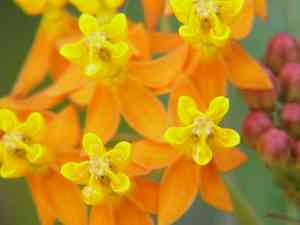
Serpentine milkweed, a perennial recognized for its resilience in challenging serpentine earth, flourishes with little upkeep. Trimming entails excising withered or compromised stalks to foster robust development and denser leaves. The ideal period for pruning serpentine milkweed is from late winter to early spring, prior to the emergence of new shoots. This schedule prevents undue strain on the plant during its active growth phase and encourages abundant flowering. Consistent trimming also aids in managing its expansion and form, preserving serpentine milkweed's aesthetic in the landscape.
What Are the Benefits of Pruning Serpentine Milkweed?
What Are the Benefits of Pruning Serpentine Milkweed?
Trimming serpentine milkweed promotes robust development and maintains its desired form. Strategic cuts can rejuvenate serpentine milkweed by encouraging new growth and a more compact, visually appealing structure.
What Is the Best Time for Pruning Serpentine Milkweed?
What Is the Best Time for Pruning Serpentine Milkweed?
Trimming serpentine milkweed during late winter or early spring aligns with its dormant phase, minimizing stress and energy depletion for the plant. This timing allows for the removal of old growth before new shoots appear, fostering a healthier and more vigorous growth cycle. It also ensures that pruning does not interfere with peak blooming periods, which typically occur in late spring or summer for serpentine milkweed, thereby safeguarding the plant's reproductive success and ecological role as a pollinator magnet.
What Tools Do I Need to Prune Serpentine Milkweed?
Pruning Shears
Perfect for making precise cuts on serpentine milkweed's stems and for deadheading. They should be sharp and sanitized to prevent disease spread and to create clean cuts that heal quickly.
Bypass Pruners
Recommended for cutting through live stems of serpentine milkweed without causing unnecessary harm to the plant tissues. Their scissor-like action provides a clean cut.
Gloves
Essential for protecting hands from serpentine milkweed's sap, which can irritate skin upon contact. Also provide a better grip on the tools while trimming.
Loppers
Useful for reaching thicker stems that cannot be cut by pruning shears. Designed for leverage, they make it easier to cut through woodier parts of serpentine milkweed.
How to Prune Serpentine Milkweed
Sanitize
Before beginning the trimming process, clean and disinfect all pruning tools to prevent the transmission of diseases to serpentine milkweed.
Inspect
Carefully examine serpentine milkweed for diseased and withered leaves, identifying those that need to be removed.
Cut Diseased Leaves
Using sharp and sanitized pruning shears, carefully remove diseased leaves from serpentine milkweed by cutting at the base of the leaf stem. Make the cuts clean and close to the stem without causing damage.
Remove Withered Leaves
Similarly, trim the withered leaves individually, ensuring to cut them off from the base to maintain the aesthetic appearance and health of serpentine milkweed.
Dispose
After trimming, properly discard the diseased and withered leaves far from serpentine milkweed to prevent any potential re-infection or pest attraction.
Common Pruning Mistakes with Serpentine Milkweed
Overpruning
Removing too much foliage from serpentine milkweed at once can stress the plant and lead to reduced vigor and flowering.
Improper Cut Placement
Cutting too close to the main stem or too far from a node can hinder healing and lead to disease in serpentine milkweed.
Using Dirty Tools
Failure to sanitize pruning tools can introduce pathogens to serpentine milkweed, potentially resulting in infections.
Ignoring Plant Structure
Not considering the natural growth habit of serpentine milkweed can lead to awkward growth and a less aesthetically pleasing shape after pruning.
Pruning Healthy Tissue
Unnecessarily cutting away healthy tissue can stunt serpentine milkweed's growth and reduce its resilience.
Common Pruning Tips for Serpentine Milkweed
Sanitation
Always use clean, sharp tools to make precise cuts on serpentine milkweed, which will help prevent disease transmission and ensure quick healing.
Cut Angle
Cut at a 45-degree angle above a node or lateral bud to promote healthy regrowth and reduce the risk of water accumulation.
Minimal Pruning
Since serpentine milkweed may not require extensive pruning, remove only damaged or diseased tissue, and dead flowers to maintain plant health.
Natural Shape
Prune serpentine milkweed in a way that maintains its natural shape, focusing on thinning out dense areas to improve air circulation and light penetration.
Vigilant Monitoring
Regularly inspect serpentine milkweed for dead or diseased growth, and prune as needed to keep the plant healthy and prevent the spread of disease.



