
Serpentine milkweed (Asclepias solanoana)
Also known as: Solano's Milkweed, McCaskill's Milkweed
Serpentine milkweed is a perennial plant known for its clusters of star-shaped, purplish-pink flowers and elongated leaves. It is highly adapted to dry, sunny environments, featuring a deep root system that taps into underground water reserves. The plant's milky sap acts as a deterrent to herbivores, enhancing its survival. It is also ecologically significant, providing an essential habitat and food source for monarch butterfly larvae.
In This Article
Attributes of Serpentine milkweed
Lifespan
Perennial
Plant Type
Herb
Plant Height
0.3 to 0.6 meters
Spread
0.2 to 0.5 meters
Leaf Color
Grey-green
Flower Size
1 to 2 centimeters
Flower Color
Cream to yellow
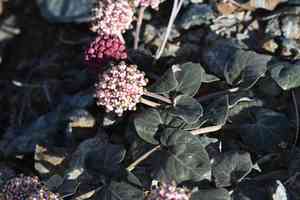
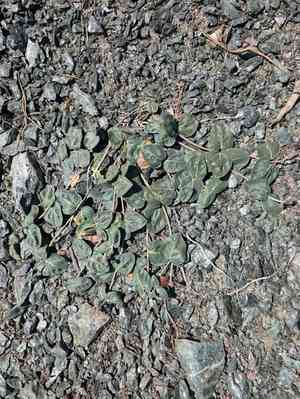
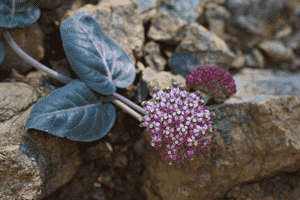
Images of Serpentine milkweed

Quickly Identify Serpentine milkweed
1
To identify Asclepias solanoana, look for its unique characteristics such as the lobed leaves and umbels of cream to yellowish flowers. The foliage is often grey-green and the stems may appear somewhat woolly or hairy.
Scientific Classification of Serpentine milkweed
Phylum
Vascular plants
Class
Dicotyledons
Order
Gentianales
Family
Dogbane
Genus
Milkweeds
Species
Serpentine milkweed
Planting and Growing of Serpentine milkweed
Care Difficulty
Hard
Watering Schedule
Every 3 days
Sunlight Requirements
Full sun
Sunshine Duration
6-8 hours
Ideal Temperature
60-75℉
Soil Type
Potting Mix, Peat Mix
Soil pH
6.5-7.5
Fertilizer Type
Balanced
Pruning Season
Spring, Summer
Pruning Area
Branches, Leaves
Pruning Frequency
2 times a year
Repotting Season
Spring
Pot Type
Plastic, Ceramic
 How to Water Serpentine milkweed?
Asclepias solanoana should be watered deeply but infrequently, providing about 250 milliliters each time. Ensure the soil is soaked adequately, allowing water to reach the root zone while avoiding waterlogging the plant. Always wait until the top inch of soil is dry before re-watering.
What are the symptoms of an underwatered Serpentine milkweed?
›
What should I do if my Serpentine milkweed is not getting enough water?
›
What are the symptoms of an overwatered Serpentine milkweed?
›
How to save an overwatered Serpentine milkweed?
›
 What Are the Sunlight Requirements for Serpentine milkweed?
Asclepias solanoana flourishes with full to partial sunlight exposure, ideally 6 to 8 hours per day, which supports healthy growth and vibrant blooms, preventing etiolation and promoting structural sturdiness.
Optimal Sun Exposure
›
Solutions for Ideal Lighting
›
Benefits of Ideal Lighting
›
 What Is the Ideal Temperature Range for Serpentine milkweed?
Asclepias solanoana thrives best between 60°F and 75°F. These temperatures provide the optimal environment for photosynthesis and growth, supporting healthy foliage and strong root development.
 What Soil is Best for Serpentine milkweed?
Asclepias solanoana thrives in well-drained soil, which prevents root rot and allows the roots to access oxygen easily. This kind of soil facilitates proper water retention and aeration, essential for the healthy growth of the plant. This plant prefers soil with moderate fertility. Overly nutrient-rich soil might lead to excessive foliage growth at the expense of blooms, so balance is key for optimal flowering and overall plant health. Maintaining a soil pH between 6.5 and 7.5 ensures proper nutrient availability and uptake. This range supports the plant's physiological needs and optimizes metabolic functions conducive to blooming.
 How to Fertilize Serpentine milkweed?
The recommended amount of fertilizer for Asclepias solanoana should be moderate and balanced. When using liquid fertilizer, dilute it to half the strength recommended for other flowering plants. Apply about 5-10 ml per liter of water, ensuring not to exceed the plant's nutrient requirements.
 How to Prune Serpentine milkweed?
To prune Asclepias solanoana, begin by sterilizing your pruning shears to prevent any disease transmission. Focus on removing any dead, diseased, or damaged stems. Cut these at the base of the plant, making clean cuts to foster proper healing. For healthy growth, trim back any overcrowded areas to allow light and air to reach all parts. Aim to maintain an open, airy structure that will facilitate better blooming.
More About Pruning Techniques→
 How to Propagate Serpentine milkweed plant?
1
Begin sowing seeds in early spring indoors. Use seed trays filled with a peat-based potting mix. Cover the seeds lightly with soil and keep them moist until germination occurs, which typically takes 2-4 weeks.
2
In late spring, select healthy stems from a mature plant. Cut 4-6 inches long sections using clean pruning shears. Remove leaves from the lower half to reduce water loss before placing them into a rooting hormone.
3
Once seedlings develop a second set of leaves, carefully transplant them into individual pots or a prepared garden bed, ensuring the soil is well-drained and enriched with organic matter.
 How to Repot Serpentine milkweed plant?
1
Asclepias solanoana should be repotted when you notice roots poking through the drainage holes or if the plant seems to be growing slowly despite proper care. These signs indicate that the roots are cramped or bound, and it's time for a larger home.
2
Select a pot that is one size larger than the current one, with ample drainage holes. A pot too large can lead to waterlogging; the right size ensures the plant has room to grow while maintaining proper moisture levels, promoting healthy growth.
3
Opt for a well-draining potting mix to prevent root rot in Asclepias solanoana. This plant thrives when the roots can breathe, and a soil medium that balances moisture with aeration aids in natural growth cycles and nutrient uptake.
Toxicity
Ingestion
WARNING
The judgment on toxicity and danger is for reference only. We DO NOT GUARANTEE any accuracy of such judgment. Therefore, you SHALL NOT rely on such judgment. It is IMPORTANT TO SEEK PROFESSIONAL ADVICE in advance when necessary.
Learn More About Serpentine milkweed Diseases
Anthracnose
Bacterial Leaf Spot
Bacterial Wilt
Crown Gall
Cyst Nematode
Damping-off
Downy Mildew
Drought Stress
Fusarium Wilt
Gray Mold
Leaf Curl
Leaf Spot
Mosaic
Nutrient Deficiency
Nutrient Toxicity
Powdery Mildew
Root Rot
Root-knot Nematode
Rusts
Sooty Mold
Spider Mites
Temperature Stress
Thrips Damage
White Mold



