How to Prune Lemmon's milkweed?
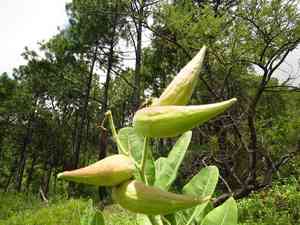
Lemmon's milkweed displays prominent groupings of blossoms ranging from pink to purple, alongside its characteristic slender foliage. Trim lemmon's milkweed in the latter part of winter or early spring to eliminate compromised or lifeless stalks and stimulate vigorous development. This period coincides with its inactive phase, thereby lessening strain. Reduce crowded sections to boost air movement, diminishing the likelihood of illness. Consistent trimming can amplify blooming, preserve form, and revitalize mature specimens. Always sanitize implements between snips to avert the dissemination of pathogens.
What Are the Benefits of Pruning Lemmon's Milkweed?
What Are the Benefits of Pruning Lemmon's Milkweed?
Trimming lemmon's milkweed encourages robust development, maintains desired form, boosts pest resistance, improves blooming, and ensures a healthy, balanced plant structure.
What Is the Best Time for Pruning Lemmon's Milkweed?
What Is the Best Time for Pruning Lemmon's Milkweed?
Trimming lemmon's milkweed in late winter to early spring is optimal as it allows the plant to recover and flower best during the growing season. During these periods, the plant is typically inactive or just starting to emerge from dormancy, minimizing stress and potential damage from pruning. This timing also ensures that lemmon's milkweed's energy is directed towards new growth and flowering, enhancing overall health and vigor. Pruning during dormancy helps avoid disrupting the flowering cycle and reduces the risk of disease and pest issues.
What Tools Do I Need to Prune Lemmon's Milkweed?
Bypass Pruners
Perfect for making precise cuts near the stem, crucial for lemmon's milkweed to foster healthy development.
Long-handled Loppers
Helpful for reaching deeper into lemmon's milkweed without harming other parts, especially for cutting thicker stems or branches.
Pruning Shears
Versatile for detailed trimming and shaping, ensuring clean cuts that lower disease risk.
Gloves
Protect hands from potential irritants in lemmon's milkweed sap and sharp tools during pruning.
Pruning Saw
Necessary for cutting through larger, woody stems if lemmon's milkweed has grown too large.
How to Prune Lemmon's Milkweed
Disinfection
Prepare your pruning tools by sanitizing them to prevent the spread of disease in lemmon's milkweed. Use a mixture of one part bleach to nine parts water.
Inspection
Examine lemmon's milkweed for any indications of diseased or withered leaves. Look for yellowing, brown spots, or signs of decay.
Removal
Use sterilized pruning shears to cut away the diseased and withered leaves. Make clean cuts close to the base of the leaf stalk without harming the main stem.
Disposal
Immediately discard the trimmed diseased leaves away from the garden area to prevent contamination. Use a sealed bag and dispose of it properly.
Observation
Monitor lemmon's milkweed over the next few weeks for any signs of new diseased or withered leaves, repeating the pruning process as needed.
Common Pruning Mistakes with Lemmon's Milkweed
Pruning too early
Trimming lemmon's milkweed too soon in its growth cycle can lead to stunted development and reduced flowering. It's crucial to allow the plant to establish itself before any significant cuts are made.
Over-pruning
Excessive pruning or removing too much foliage can stress lemmon's milkweed, reducing its ability to photosynthesize and store energy. This can result in weakened plants that are vulnerable to pests and diseases.
Improper tool use
Using dull or contaminated pruning tools can cause jagged cuts and introduce diseases. It's important to use sharp, clean tools to ensure smooth cuts that heal quickly.
Ignoring deadheading
Failing to remove spent flowers can prevent lemmon's milkweed from producing new blooms and lead to wasted energy on seed production.
Common Pruning Tips for Lemmon's Milkweed
Use clean tools
Always use sharp and sanitized pruning tools to make clean cuts and prevent disease transmission.
Pinch back growth
Regularly pinch back new growth to encourage bushier and more compact plants. This helps in controlling the shape and size of lemmon's milkweed.
Remove spent flowers
Deadhead regularly to promote continuous blooming and to divert energy back into plant growth rather than seed production.
Cut above nodes
When pruning stems, make cuts just above a leaf node to stimulate new growth from that point.
Observe plant health
Regularly inspect lemmon's milkweed for signs of disease or pest infestations and prune away affected areas promptly to maintain overall plant health.
Moderation
Aim for moderate pruning to balance plant shape and health, avoiding excessive cutting that can shock lemmon's milkweed.



