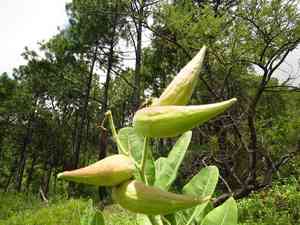
Lemmon's milkweed (Asclepias lemmonii)
Also known as: Lemmon's Milkweed
The Desert Globe Mallow (Sphaeralcea ambigua) is notable for its vibrant orange blossoms that allure many pollinators. This plant, with its sturdy stem and narrow leaves, thrives in the arid, rocky landscapes of the southwestern United States. Its thick, water-retentive foliage ensures it can withstand harsh, dry conditions, making it a resilient feature of its desert environment.
In This Article
Attributes of Lemmon's milkweed
Lifespan
Perennial
Plant Type
Herb
Plant Height
0.5 - 1.0 meter
Spread
N/A
Leaf Color
Green
Flower Size
0.5 - 1.0 cm
Flower Color
Pink, Purple
Images of Lemmon's milkweed
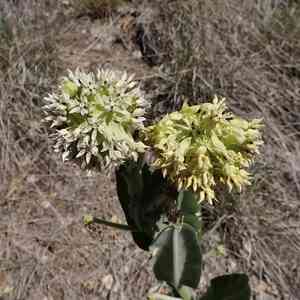
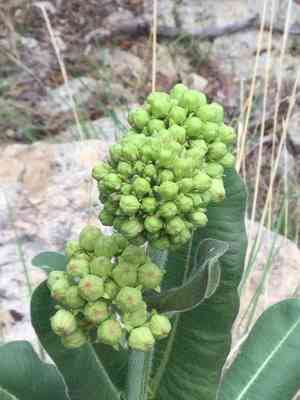
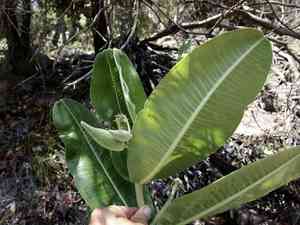
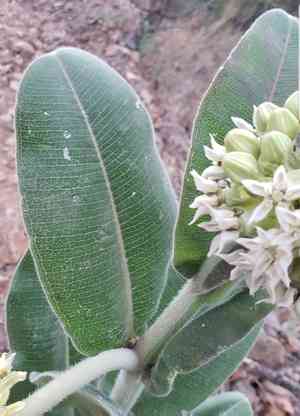
Quickly Identify Lemmon's milkweed
1
Lemmon\'s Milkweed can be identified by its narrow, lance-shaped leaves and clusters of small pinkish or purplish flowers. The plant exudes a milky sap when broken, which is characteristic of milkweeds.
Scientific Classification of Lemmon's milkweed
Phylum
Vascular plants
Class
Dicotyledons
Order
Gentianales
Family
Dogbane
Genus
Milkweeds
Species
Lemmon's milkweed
Planting and Growing of Lemmon's milkweed
Care Difficulty
Moderate
Watering Schedule
Every 2 days
Sunlight Requirements
Full sun
Sunshine Duration
4-6 hours
Ideal Temperature
70-85℉
Soil Type
Potting Mix, Peat Mix
Soil pH
6.5-7.5
Fertilizer Type
Balanced
Pruning Season
Spring, Summer
Pruning Area
Branches, Leaves
Pruning Frequency
2 times a year
Repotting Season
Spring
Pot Type
Terracotta, Plastic
 How to Water Lemmon's milkweed?
When watering Asclepias lemmonii, ensure the soil is thoroughly moistened without leaving it waterlogged. Around 200 ml per watering should suffice, but adjust according to soil drainage and climate conditions. The water should reach the roots without drowning them.
What are the symptoms of an underwatered Lemmon's milkweed?
›
What should I do if my Lemmon's milkweed is not getting enough water?
›
What are the symptoms of an overwatered Lemmon's milkweed?
›
How to save an overwatered Lemmon's milkweed?
›
 What Are the Sunlight Requirements for Lemmon's milkweed?
Partial sun to full sun conditions are ideal for Asclepias lemmonii. This range allows for strong, healthy growth, vibrant colors, and optimal flowering, ensuring the plant's photosynthetic needs are adequately met without the risk of leaf burn.
How much sunlight does Asclepias lemmonii need?
›
How can I achieve the ideal light for Asclepias lemmonii?
›
What are the benefits of providing ideal lighting?
›
 What Is the Ideal Temperature Range for Lemmon's milkweed?
The ideal temperature range for Asclepias lemmonii is between 70°F and 85°F. This range provides optimal conditions for growth and development, ensuring the plant receives adequate warmth without excessive heat that may cause stress.
 What Soil is Best for Lemmon's milkweed?
Asclepias lemmonii thrives in well-drained soil, preventing roots from sitting in water and reducing the risk of root rot. This condition ensures healthy plant growth and a robust root system. The plant prefers moderately fertile soil, which provides enough nutrients without being excessively rich. This balance helps support its natural growth cycle and flowering process effectively. During dormancy, the plant benefits from drier soil conditions. This mimics its natural habitat, allowing the plant to conserve energy and resources until the growing season resumes.
 How to Fertilize Lemmon's milkweed?
Asclepias lemmonii is not a heavy feeder, so moderation is key. Typically, a balanced 10-10-10 liquid fertilizer diluted to half strength is ideal. When using slow-release granules, aim for about a tablespoon per plant applied evenly around the base but not directly onto the stem.
 How to Prune Lemmon's milkweed?
Begin with clean, sharp pruning shears to ensure a smooth cut and minimize plant stress. Always sterilize your tools before and after pruning to prevent disease transmission. Look for deadwood, discolored, or wilting stems that need removal. Target areas where multiple stems may be congested to enhance air circulation and light penetration. Make cuts at a 45-degree angle to allow water to runoff and prevent rot. Aim to cut above a leaf node to encourage new growth. After pruning, clean away debris around the plant base to discourage pests and diseases. Water the plant lightly to reduce shock and encourage recovery.
More About Pruning Techniques→
 How to Propagate Lemmon's milkweed plant?
1
Start by collecting mature seeds from the plant. Clean them of any pulp or debris and let them dry. Overwinters them in a cool, dry space or stratify them by placing them in the refrigerator for several weeks.
2
Plant the seeds in a well-draining seed mix, keeping them at a shallow depth. Mist the soil lightly and cover the tray with a plastic dome or plastic wrap to retain humidity. Place them in a warm area with indirect light.
3
Cut 4-6 inch healthy stems, preferably from a non-flowering shoot. Strip the leaves from the lower half of the cutting and dip the cut end in rooting hormone. Use a pencil or tool to make a hole in the soil and insert the cutting.
 How to Repot Lemmon's milkweed plant?
1
Asclepias lemmonii often signals its need for repotting when you notice an increase in root-bound conditions, such as roots emerging from the drainage holes or an apparent lack of growth. It's ideal to repot during its active growth seasons, spring or summer, when the plant can quickly adapt to its new environment.
2
Selecting the proper pot for Asclepias lemmonii is crucial. Choose a container that is about one to two inches larger in diameter than the current one, ensuring it has adequate drainage holes. This choice prevents excessive water retention, which can lead to root rot, promoting healthier growth in your plant.
3
A well-draining cactus mix is essential for repotting Asclepias lemmonii. Such soil ensures quick drainage, reducing the risk of waterlogged roots which can suffocate the plant. The inclusion of materials like perlite or pumice helps maintain the ideal moisture level while supporting healthy root development.
Toxicity
Ingestion
WARNING
The judgment on toxicity and danger is for reference only. We DO NOT GUARANTEE any accuracy of such judgment. Therefore, you SHALL NOT rely on such judgment. It is IMPORTANT TO SEEK PROFESSIONAL ADVICE in advance when necessary.
Learn More About Lemmon's milkweed Diseases
Anthracnose
Bacterial Leaf Spot
Bacterial Wilt
Crown Gall
Cyst Nematode
Damping-off
Downy Mildew
Drought Stress
Fusarium Wilt
Gray Mold
Leaf Curl
Leaf Spot
Mosaic
Nutrient Deficiency
Nutrient Toxicity
Powdery Mildew
Root Rot
Root-knot Nematode
Rusts
Sooty Mold
Spider Mites
Temperature Stress
Thrips Damage
White Mold



