How to Prune Whitestem milkweed?
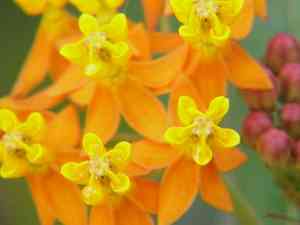
White-stemmed milkweed, identifiable by its unique pale stalks, thrives with trimming in the early spring prior to the emergence of fresh shoots. Essential methods involve excising deceased or injured stems and contouring the specimen to improve air circulation and light exposure. Pruning not only boosts the well-being and visual appeal of white-stemmed milkweed but also stimulates robust new development. For best outcomes, employ sanitized, keen implements and refrain from over-cutting to preserve the plant's inherent structure.
What Are the Benefits of Pruning Whitestem Milkweed?
What Are the Benefits of Pruning Whitestem Milkweed?
Whitestem milkweed thrives with trimming, which encourages robust development and maintains its form. Pruning aids in managing size, boosting blooms, and enhancing resistance to pests and illnesses, leading to a healthier, more appealing plant.
What Is the Best Time for Pruning Whitestem Milkweed?
What Is the Best Time for Pruning Whitestem Milkweed?
Trimming whitestem milkweed in early spring is optimal as this period aligns with the plant's dormant stage, just before its active growth cycle begins. Pruning at this time helps stimulate a vigorous flush of new growth and reduces plant stress. Furthermore, early spring pruning improves air circulation and light penetration, which can prevent diseases and enhance overall plant vitality.
What Tools Do I Need to Prune Whitestem Milkweed?
Bypass pruners
Perfect for making clean cuts on living branches, preventing harm and encouraging robust development.
Pruning shears
Helpful for trimming smaller branches and stems, crucial for maintaining the shape and health of whitestem milkweed.
Loppers
Suitable for cutting thicker branches that cannot be managed by pruners or shears, ensuring all parts of whitestem milkweed can be effectively handled.
How to Prune Whitestem Milkweed
Assess
Examine whitestem milkweed for any indications of diseased leaves, withered foliage, dead branches, and infected stems. Identifying these parts is essential for effective pruning.
Sterilize
Before making cuts, sanitize your pruning tools with rubbing alcohol or a bleach solution to prevent disease transmission.
Remove Diseased Leaves
Carefully snip off any diseased leaves. Cut close to the main stem but avoid harming healthy tissues. Dispose of these leaves properly to prevent contamination.
Trim Withered Leaves
Remove any dried-up leaves by cutting them off at their base. This will help direct the plant's energy towards healthier growth.
Cut Dead and Diseased Branches
Cut dead or diseased branches back to a healthy section, or remove them entirely if necessary. Make clean cuts to minimize stress on whitestem milkweed. Dispose of these parts away from the plant to prevent disease spread.
Common Pruning Mistakes with Whitestem Milkweed
Over-pruning
Removing too much of the plant can stress whitestem milkweed and impede its growth and blooming potential.
Incorrect tools
Using dull or dirty pruning tools can cause damage and elevate the risk of disease.
Improper cuts
Making jagged or uneven cuts can leave whitestem milkweed vulnerable to pests and diseases.
Ignoring the plant's structure
Failing to recognize the natural form and growth pattern can result in an unappealing look and poor growth dynamics.
Common Pruning Tips for Whitestem Milkweed
Sanitized tools
Always use clean, sharp pruning shears to make precise cuts and minimize the risk of infection.
Light trimming
Focus on removing dead, damaged, or diseased stems first before considering any healthy growth, and always prune lightly.
Angled cuts
Make angled cuts just above a node to promote healthy new growth and reduce water accumulation on the cut surface.
Observe growth
Regularly monitor whitestem milkweed to understand its growth patterns and needs, so you can prune accordingly to maintain its health and shape.



