How to Prune Jersey thrift?
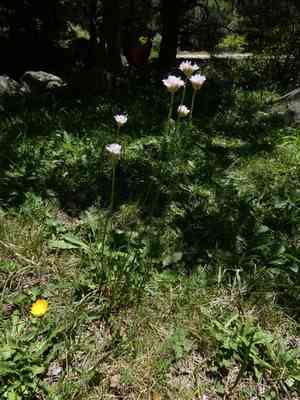
This perennial, which forms clumps and features evergreen, tufted leaves along with pink to purple flower groupings, flourishes with infrequent trimming. Snip off faded blooms of jersey thrift to stimulate further flowering and preserve a dense form. The removal of spent flowers should occur continuously during the blooming period. The occasional elimination of withered or compromised foliage can be performed at any point in the year to foster robust development and air circulation. Trimming not only improves the plant's aesthetic but also helps avert the potential dissemination of illnesses.
What Are the Benefits of Pruning Jersey Thrift?
What Are the Benefits of Pruning Jersey Thrift?
Trimming jersey thrift promotes abundant flowering, ensures robust development, and helps preserve a dense, attractive shape. It is specifically adapted to jersey thrift's growth habits for peak health and visual appeal.
What Is the Best Time for Pruning Jersey Thrift?
What Is the Best Time for Pruning Jersey Thrift?
Pruning jersey thrift from spring through early summer aligns with the period after blooming, enabling gardeners to remove faded flowers and stimulate new growth. Post-bloom pruning helps maintain the plant's form, vigor, and encourages dense, compact development. It's crucial to avoid pruning in late summer or fall, as this can trigger new growth that might not harden off before winter, risking frost damage. Additionally, pruning too early can remove flower buds and diminish the plant's display. Regular light trimming during the growing season keeps jersey thrift neat and may prevent the need for more drastic pruning that could stress the plant.
What Tools Do I Need to Prune Jersey Thrift?
Bypass Pruners
Perfect for making clean cuts on jersey thrift's small, delicate stems, minimizing harm to the plant's structure.
Garden Scissors
Useful for trimming and shaping jersey thrift's foliage, allowing precise control to maintain its compact form.
Handheld Shears
Ideal for cutting back larger clumps of jersey thrift after flowering, to encourage a neat habit and potentially a second bloom.
How to Prune Jersey Thrift
Clean tools
Before beginning, ensure all pruning tools are clean and sharp to prevent spreading diseases to jersey thrift.
Remove diseases
Identify and carefully remove any diseased leaves and branches from jersey thrift using precise cuts to avoid damaging healthy tissue.
Clear dead material
Cut off all dead branches and withered leaves from jersey thrift, which will promote healthy growth and improve air circulation.
Deadhead flowers
Prune withered flowers from jersey thrift to encourage new blooms and maintain a tidy appearance.
Shape plant
Finally, lightly shape jersey thrift by trimming any irregular or overgrown areas to maintain its compact, mounded form.
Common Pruning Mistakes with Jersey Thrift
Over-pruning
Removing too much foliage at once can stress jersey thrift, potentially stunting its development or even leading to plant death.
Pruning into old wood
Jersey thrift does not respond well to cutting into old woody stems, as this may not regenerate and can leave the plant looking bare and unsightly.
Ignoring deadheads
Failing to remove spent flowers, or deadheads, can result in a lackluster display of blooms and prevent jersey thrift from directing its energy towards new growth and flower production.
Cutting too close
Snipping too close to the crown of jersey thrift can damage the plant's base and impede new growth, which originates from this area.
Common Pruning Tips for Jersey Thrift
Selective thinning
Carefully thin out crowded stems to improve air circulation and light penetration, which can enhance plant health and promote vigorous growth for jersey thrift.
Encouraging rebloom
Prune spent flowers to encourage jersey thrift to set new buds and keep the plant looking tidy throughout its growing season.
Shape maintenance
Trimming lightly and regularly can help maintain jersey thrift's compact, cushioned form without compromising the plant's natural shape and hardiness.
Tools care
Use clean, sharp pruning shears to make precise cuts, preventing damage to jersey thrift's stems and reducing the risk of transmitting diseases.



