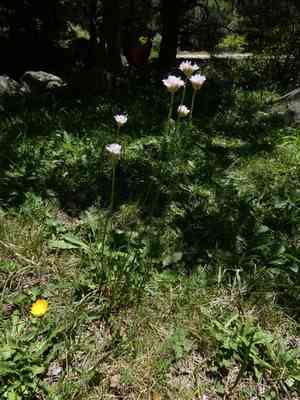
Jersey thrift (Armeria arenaria)
Also known as: Broad-leaved thrift
Jersey thrift (Armeria hybrid 'Jersey') and Common thrift (Armeria maritima) share a coastal habitat, but they have some distinct differences:
1. **Bracts**: Jersey thrift has shorter bracts compared to the Common thrift.
2. **Stems and Leaves**: Jersey thrift features longer stems and broader leaves.
3. **Habitat**: While both can be found in coastal dunes and cliffs, Jersey thrift is more commonly seen as a wildflower and is also popular as ground cover in cottage gardens and borders.
These characteristics help in differentiating Jersey thrift from Common thrift in both natural and garden settings.
In This Article
Attributes of Jersey thrift
Lifespan
Perennial
Plant Type
Herb
Plant Height
10-30 cm
Spread
20-30 cm
Leaf Color
Green
Flower Size
1-2 cm
Flower Color
Purple Pink
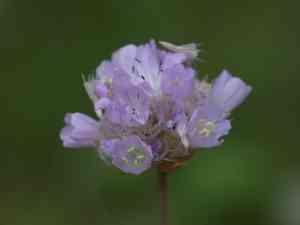
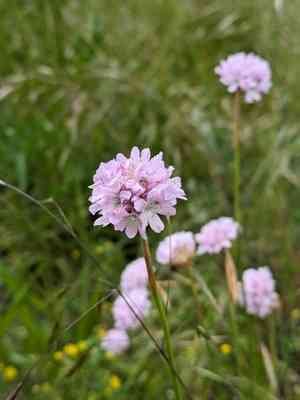
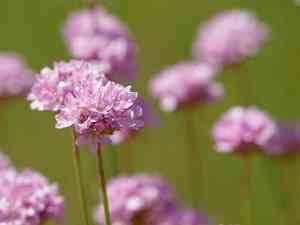
Images of Jersey thrift
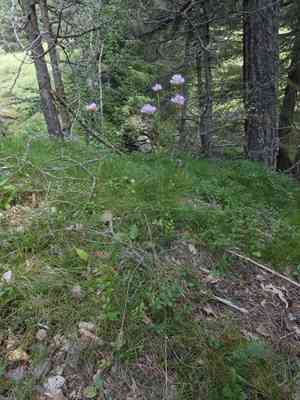
Quickly Identify Jersey thrift
1
Armeria arenaria can be identified by its dense clumps of narrow, grass-like leaves and its round flower heads that are usually pink, though they can also be white. The flowers are carried on slender, erect stems above the foliage.
Scientific Classification of Jersey thrift
Phylum
Vascular plants
Class
Dicotyledons
Order
Caryophyllales
Family
Leadwort
Genus
Thrifts
Species
Jersey thrift
Planting and Growing of Jersey thrift
Care Difficulty
Easy
Watering Schedule
Every 3 days
Sunlight Requirements
Full sun
Sunshine Duration
4-8 hours
Ideal Temperature
60-75℉
Soil Type
Potting Mix, Peat Mix
Soil pH
6.5-7.5
Fertilizer Type
Balanced
Pruning Season
Spring, Summer
Pruning Area
Branches, Leaves
Pruning Frequency
2 times a year
Repotting Season
Spring
Pot Type
Plastic, Ceramic
 How to Water Jersey thrift?
Armeria arenaria prefers well-drained soil, and it is important to water it until the topsoil is moist but not waterlogged. The general amount of 250ml should suffice to ensure moisture reaches the root zone without causing root rot.
What are the symptoms of an underwatered Jersey thrift?
›
What should I do if my Jersey thrift is not getting enough water?
›
What are the symptoms of an overwatered Jersey thrift?
›
How to save an overwatered Jersey thrift?
›
 What Are the Sunlight Requirements for Jersey thrift?
Partial to full sunlight is ideal for Armeria arenaria, promoting bloom abundance and foliage density. Regular exposure to sunlight ensures optimal photosynthetic activity and vibrant growth.
What is the ideal amount of light for Armeria arenaria?
›
How do I ensure optimal light conditions for my plant?
›
What benefits does Armeria arenaria gain from ideal lighting?
›
 What Is the Ideal Temperature Range for Jersey thrift?
For Armeria arenaria, the ideal temperature range is between 60°F and 75°F. This range provides the optimal conditions for growth and flowering. Temperatures within this range support metabolic processes and encourage healthy leaf and root development. It's crucial for maintaining the plant's vitality and ensuring a robust flowering season.
 What Soil is Best for Jersey thrift?
Armeria arenaria thrives in well-drained soil, preventing root rot and supporting vigorous growth. Ensuring good drainage is crucial as it facilitates air circulation and easy root expansion, promoting healthy plant development. A nutrient-rich soil mix helps Armeria arenaria obtain essential minerals. Incorporating organic matter, like compost, enhances soil fertility, providing the necessary nutrients for robust flowering and sustained health. Preferring a slightly alkaline pH, Armeria arenaria benefits from a stable pH environment that supports nutrient availability. Maintaining pH within the 6.5 to 7.5 range optimizes absorption and reduces stress, leading to flourishing plants.
 How to Fertilize Jersey thrift?
Armeria arenaria benefits from moderate fertilization. Use a balanced 10-10-10 liquid fertilizer, applying around 1 tablespoon per gallon of water, ensuring not to overwhelm the plant with nutrients. For slow-release options, a tablespoon sprinkled at the base of the plant is sufficient for each application.
 How to Prune Jersey thrift?
Start by removing any dead or faded flower heads. This process, known as deadheading, helps to prevent the plant from spending energy on seed production and encourages more blooms. Trim back any overly long or unruly stems to maintain the desired shape of your plant. Cutting back these stems will help maintain a compact appearance and promote bushier growth. In autumn, prune the plant more thoroughly by cutting back the flowering stems and lightly trimming the tufts of foliage. This helps the plant prepare for winter and boosts new growth in the spring.
More About Pruning Techniques→
 How to Propagate Jersey thrift plant?
1
Ensure the soil is well-drained and mixed with sand or perlite for seed propagation. Adjust soil pH to slightly acidic, as this is ideal for Armeria arenaria. This step ensures healthy root development and prevents waterlogging.
2
Sow seeds on the soil surface and slightly press them into the soil but do not cover them completely as they require light to germinate. Maintain a consistent moisture level until germination occurs, typically within a few weeks.
3
Divide plants in early spring when new growth begins by carefully lifting the plant and separating sections with roots. Replant immediately in a prepared site to reduce transplant shock.
 How to Repot Jersey thrift plant?
1
Armeria arenaria signals the need for repotting when its roots emerge from drainage holes or it appears root-bound. Spring and autumn are ideal, as the plant is not in peak blooming phase and can recover better from the change.
2
Choose a pot slightly larger than the current one, with adequate drainage holes. The extra space provides room for root growth and prevents waterlogging, which is crucial for this plant's preference for aerated soil conditions.
3
Opt for sandy loam with good drainage to mimic its natural habitat. This type of soil prevents root rot and allows for crucial air exchange, supporting healthy foliage and vibrant flowering.
Learn More About Jersey thrift Diseases
Bacterial Leaf Spot
Bacterial Soft Rot
Chemical Injury
Crown Gall
Cyst Nematode
Damping-off
Drought Stress
Fusarium Wilt
Gray Mold
Leaf Spot
Mosaic
Nutrient Deficiency
Nutrient Toxicity
Powdery Mildew
Root Rot
Root-knot Nematode
Rusts
Sooty Mold
Spider Mites
Temperature Stress
Thrips Damage
White Mold



