How to Prune Maquei?
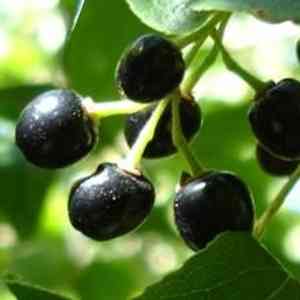
Featuring lustrous foliage and tiny fruits, maquei thrives with trimming performed from late winter through early spring. Eliminate any lifeless or ailing branches and thin out dense sections to enhance air movement and light exposure. Sculpt the plant to preserve a dense structure, fostering more robust development and greater fruit yield. Consistent pruning lowers the likelihood of disease and stimulates more prolific blooming. Adhere to these recommendations to guarantee maquei stays strong and fruitful.
What Are the Benefits of Pruning Maquei?
What Are the Benefits of Pruning Maquei?
Trimming maquei promotes robust development and maintains its desired form. Regular cutting aids in efficient resource distribution for healthier growth.
What Is the Best Time for Pruning Maquei?
What Is the Best Time for Pruning Maquei?
Pruning maquei in late winter or early spring is optimal as it precedes the new growth cycle, allowing gardeners to shape the plant and remove dead or damaged wood before active growth resumes. This timing ensures maquei directs energy towards healthy new shoots in spring, supporting strong growth and enhancing fruit production. Additionally, pruning during this period minimizes disease risk, as many pathogens are less active in cooler weather. This timing also allows for better wound healing in spring, further boosting the plant's health and vitality.
What Tools Do I Need to Prune Maquei?
Hand Pruners
Perfect for making precise cuts on maquei's smaller branches and stems. These pruners enable clean cuts that encourage healthy regrowth and prevent harm to the plant's delicate structure.
Lopping Shears
These are essential for addressing thicker branches that hand pruners cannot manage. Given maquei's potential for stout branches, lopping shears allow gardeners to control the plant's shape and maintain its health.
Pruning Saw
Crucial for removing any mature, thick branches from maquei that lopping shears can't handle effectively. A pruning saw helps cut through thicker growth without causing undue strain or injury to the plant or gardener.
Hedge Shears
Useful for shaping and controlling maquei's overall form. If the plant is used for hedging or requires a uniform shape, hedge shears provide the ability to make straight, even cuts across multiple stems.
How to Prune Maquei
Identify
Locate and mark dead or diseased branches on maquei. These branches typically appear withered, darkened, or show visible signs of fungal infection or bark damage.
Sanitize
Sterilize pruning tools using a bleach or alcohol solution to prevent disease spread during the trimming process.
Cut
Sever dead and diseased branches just above a healthy bud or side branch, ensuring cuts are at a 45-degree angle to facilitate water runoff and minimize disease entry.
Dispose
Properly discard all removed branches. Do not compost diseased material as it may harbor pathogens that can infect other garden areas.
Inspect
After pruning, examine maquei for other potential health issues or structural imbalances and address as needed, ensuring remaining branches are well-spaced and secure.
Common Pruning Mistakes with Maquei
Over-pruning
Excessive pruning is a common error where too much is removed from maquei, which can stress the plant and reduce its vigor and fruit-bearing capacity.
Improper technique
Using dull or unclean tools can harm maquei's branches, leading to jagged cuts that heal poorly and make the plant vulnerable to disease.
Cutting too close
Severing branches too near the trunk can remove the branch collar, delaying wound healing and increasing the likelihood of pest intrusion.
Neglecting deadwood
Failing to remove dead, damaged, or diseased wood can impede air circulation and light penetration essential for maquei's health.
Common Pruning Tips for Maquei
Sharp tools
Always use sharp, clean pruning shears to make clean cuts that heal quickly, minimizing stress and disease risk.
Thoughtful thinning
Thin out dense areas of maquei to improve air circulation and light penetration, crucial for healthy growth and fruit production.
Shapes and structure
Focus on maintaining maquei's natural shape, removing only overgrown or crossing branches to support the plant's structure and aesthetic appeal.
Follow branching patterns
Observe and understand maquei's branching pattern, pruning back to outward-facing buds to encourage outward growth and prevent branches from growing too close together.



