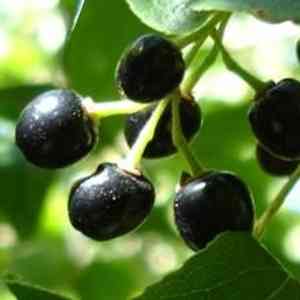
Maquei (Aristotelia chilensis)
Also known as: Maqui berry
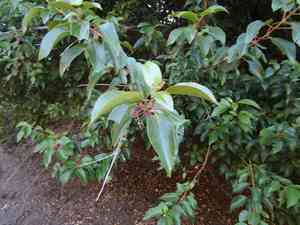
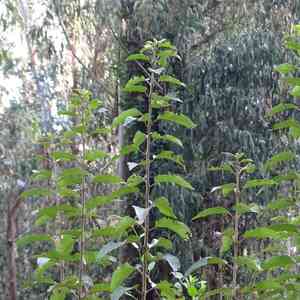
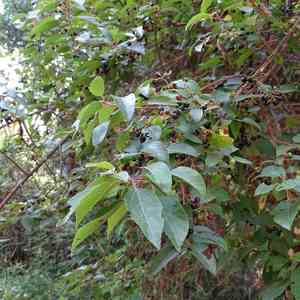
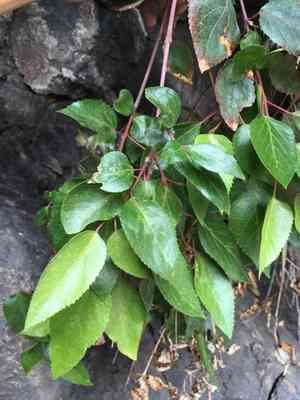
The leaves of A. chilensis, or Chilean myrtle, are evergreen, simple, and arranged oppositely. They are lanceolate to oval in shape, with a smooth, glossy green surface. The leaves have serrated edges and are leathery in texture. The veins are prominently visible, and the petioles are distinctly red.
In This Article
Attributes of Maquei
Lifespan
Perennial
Plant Type
Tree, Shrub
Plant Height
4-5 meters (13-16 feet)
Spread
2-3 meters (6.5-10 feet)
Leaf Color
Dark green with a potential red underside
Flower Size
Approximately 0.5 cm (0.2 inches)
Flower Color
White
Images of Maquei
Quickly Identify Maquei
1
To identify Aristotelia chilensis, look for a small to medium-sized shrub or tree with glossy, elliptical leaves that have finely toothed edges. The flowers are small and white, forming clusters, while the fruit is a dark purple berry. The leaves may also have a characteristic red coloration on the underside.
Scientific Classification of Maquei
Phylum
Vascular plants
Class
Dicotyledons
Order
Oxalidales
Family
Elaeocarpus
Genus
Maquei
Species
Maquei
Planting and Growing of Maquei
Care Difficulty
Easy
Watering Schedule
Every 4 days
Sunlight Requirements
Partial sun
Sunshine Duration
4-8 hours
Ideal Temperature
60-75℉
Soil Type
Potting Mix, Peat Mix
Soil pH
6.5-7.5
Fertilizer Type
Balanced
Pruning Season
Spring, Summer
Pruning Area
Leaves, Branches
Pruning Frequency
2 times a year
Repotting Season
Spring
Pot Type
Plastic, Ceramic
 How to Water Maquei?
Aristotelia chilensis requires watering to ensure the soil is well-moistened but not waterlogged. Aim for around 500ml per watering session. A good rule of thumb is to water until you notice the excess starting to drain from the bottom of the pot, indicating the soil has been adequately moistened.
What are the symptoms of an underwatered Maquei?
›
What should I do if my Maquei is not getting enough water?
›
What are the symptoms of an overwatered Maquei?
›
How to save an overwatered Maquei?
›
 What Are the Sunlight Requirements for Maquei?
Partial to full sun exposure for 6 to 8 hours promotes healthy foliage, vibrant color, and optimal fruit production while mitigating the risk of sunburn.
How much sunlight does Aristotelia chilensis need?
›
What are the solutions to get ideal lighting?
›
What benefits does ideal lighting provide?
›
 What Is the Ideal Temperature Range for Maquei?
The ideal temperature range for Aristotelia chilensis, also known as the Maqui berry plant, is between 60°F and 75°F. This range provides optimal conditions for growth and fruit production, ensuring the plant thrives and maintains healthy physiological functions.
 What Soil is Best for Maquei?
The soil for Aristotelia chilensis must have excellent drainage to prevent waterlogged conditions. Proper drainage helps avoid root rot and other water-related diseases, ensuring the plant thrives with a robust root system. A balanced soil rich in organic matter is essential for Aristotelia chilensis. This provides the necessary nutrients that promote healthy growth and vibrant berry production, contributing to the plant's overall vitality and fruiting ability. While good drainage is crucial, the soil should also retain enough moisture to keep the roots hydrated. Maintaining this balance supports steady growth and prevents stress during dry periods, particularly in the plant's establishment phase.
 How to Fertilize Maquei?
For Aristotelia chilensis, the recommended amount of fertilizer varies depending on the plant's age and the soil conditions. Generally, young plants benefit from a diluted liquid fertilizer solution applied twice monthly, while mature plants can thrive with a slow-release granular fertilizer applied three times a year, ensuring the soil remains fertile. Over-fertilizing should be avoided as it can harm the plant.
 How to Prune Maquei?
Start your pruning by removing any dead or damaged branches. This prevents the plant from wasting energy on non-productive parts and allows more resources to be allocated to healthy growth. Focus on shaping the plant to maintain its aesthetic appearance and balance. Remove any disproportionately long branches to create a denser and more visually pleasing structure. Trim back the tips of branches to stimulate new growth. This practice will result in a bushier appearance, enhancing the plant's overall look and vigor.
More About Pruning Techniques→
 How to Propagate Maquei plant?
1
To propagate by seed, begin by soaking the seeds in warm water for 24 hours to soften the seed coat, encouraging faster germination. Plant in seed starter mix about 1/4 inch deep.
2
Select healthy, semi-hardwood stems for cuttings. Make an angled cut below a leaf node, approximately 4 to 6 inches long. Remove the lower leaves before planting in rooting medium.
3
Dip the cut end of the cutting in rooting hormone to stimulate root development. Plant the cutting in a pot of moist, well-draining potting mix and cover it with a plastic bag to maintain humidity.
 How to Repot Maquei plant?
1
Repotting signals for Aristotelia chilensis include roots poking out from the drainage holes, slowed growth, or soil compacted tightly, indicating a need for fresh soil and more root space.
2
Opt for a pot that's slightly bigger than the current one, with ample drainage holes. This ensures efficient water drainage and prevents waterlogging, ultimately promoting healthy root growth.
3
Use well-draining, acidic soil. Such soil prevents root rot by providing aeration, maintaining balance in moisture, and mimicking the plant's natural habitat.
Learn More About Maquei Diseases
Anthracnose
Bacterial Leaf Spot
Bacterial Soft Rot
Crown Gall
Damping-off
Downy Mildew
Drought Stress
Fusarium Wilt
Gray Mold
Leaf Curl
Leaf Spot
Mosaic
Nutrient Deficiency
Nutrient Toxicity
Powdery Mildew
Root Rot
Root-knot Nematode
Rusts
Sooty Mold
Spider Mites
Temperature Stress
Thrips Damage
White Mold



