How to Prune Seaside three-awn?
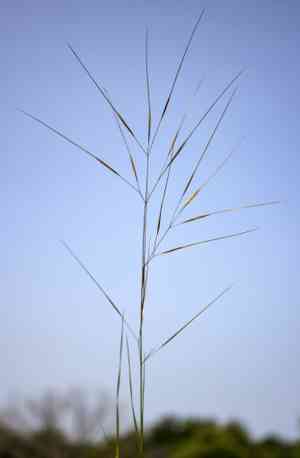
Seaside three-awn, recognized for its hardy and delicate leaves, thrives with deliberate trimming to foster vigorous development and preserve its form. The most suitable period for pruning is in spring, with supplementary refinements during summer and autumn. Concentrate on eliminating deceased or injured stalks and reducing dense sections to enhance air movement. This contributes to a sturdier plant framework and assists in warding off ailments. Consistent trimming also boosts visual charm, guaranteeing seaside three-awn stays a neat, appealing feature in landscapes.
What Are the Benefits of Pruning Seaside Three-awn?
What Are the Benefits of Pruning Seaside Three-awn?
Trimming seaside three-awn encourages robust development and helps maintain its form. Pruning improves air circulation, reducing pest and disease occurrence, and supports healthier foliage and roots. This ensures the plant thrives and retains its visual appeal.
What Is the Best Time for Pruning Seaside Three-awn?
What Is the Best Time for Pruning Seaside Three-awn?
Trimming seaside three-awn during Spring, Summer, and Fall aligns with its active growth periods, ensuring the plant can quickly recover and develop new growth. Spring pruning helps shape the plant after winter dormancy; summer pruning can control size and remove dead or damaged parts; fall pruning prepares seaside three-awn for the upcoming dormant season, reducing the risk of disease and improving airflow. These seasons avoid the stress of pruning during the harsh winter months and optimize the plant's health and vitality.
What Tools Do I Need to Prune Seaside Three-awn?
Hand Pruners
Ideal for precise trimming of individual stems or small clusters, which is necessary given the plant's delicate, wispy structure.
Grass Shears
Perfect for trimming or shaping the overall form. Provides the control needed to manage the plant's fine foliage without causing harm.
Long-Handled Pruning Shears
Useful for reaching into the dense parts of the plant without excessive bending or kneeling, maintaining ergonomic comfort during pruning.
Gloves
Crucial for protecting hands since seaside three-awn can have sharp awns and edges that may cause irritation or injury.
How to Prune Seaside Three-awn
Inspect
Examine seaside three-awn for any withered leaves that need removal. Look for leaves that are brown, shriveled, or discolored.
Tools
Prepare clean, sharp pruning shears. Ensuring tools are sterilized helps prevent the spread of disease.
Cut
Carefully cut the withered leaves close to the stem, but avoid damaging the healthy parts of seaside three-awn. Make clean cuts to encourage healing.
Dispose
Collect and dispose of the pruned leaves properly to prevent any potential disease from spreading to healthy parts of seaside three-awn.
InspectAgain
After pruning, re-inspect seaside three-awn to ensure all withered leaves are removed. Make a note for any future pruning needs.
Common Pruning Mistakes with Seaside Three-awn
Over-pruning
Removing too much foliage at once can stress the plant, inhibiting growth and potentially causing damage.
Improper Technique
Using dull or dirty tools can create uneven cuts and introduce diseases or pests.
Timing Errors
Pruning at the wrong time can interfere with the plantâs natural growth cycle, impacting its health and flowering potential.
Neglecting Dead or Diseased Parts
Failing to promptly remove dead or diseased sections can lead to the spread of disease and pests.
Ignoring Plant Shape
Not considering the natural growth habit of seaside three-awn when pruning can result in an unbalanced or unnatural appearance.
Common Pruning Tips for Seaside Three-awn
Use Sharp, Clean Tools
Always use well-maintained pruning shears to make clean cuts that heal quickly, reducing the risk of disease.
Follow the Natural Shape
Prune in a way that maintains the species' natural form to ensure balanced growth and aesthetic appeal.
Remove Dead and Diseased Parts First
Start by cutting away any dead or infected branches to prevent the spread of disease and to promote healthier growth.
Make Precise Cuts
Cut just above a node or branching point to encourage new growth while avoiding harmful stubs.
Moderation
Prune moderately and avoid removing more than one-third of the plant's foliage at a time to prevent stress and shock.



