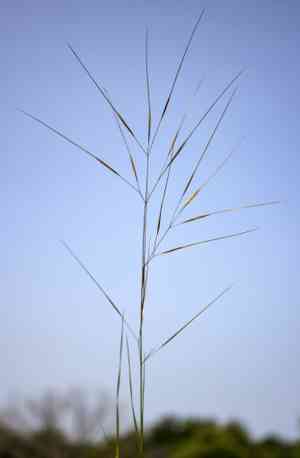
Seaside three-awn (Aristida tuberculosa)
Also known as: Seaside Threeawn
*Aristida tuberculosa*, often called seaside threeawn, seabeach needlegrass, beach three-awned grass, or beach needlegrass, is an annual plant indigenous to the United States.
In This Article
Attributes of Seaside three-awn
Lifespan
Annual
Plant Type
Grass
Plant Height
25 cm to 30 cm
Spread
Typically does not form a crown
Leaf Color
Green
Flower Size
Not applicable, grasses do not have a traditional flower structure
Flower Color
Greenish to light brown
Images of Seaside three-awn
Quickly Identify Seaside three-awn
1
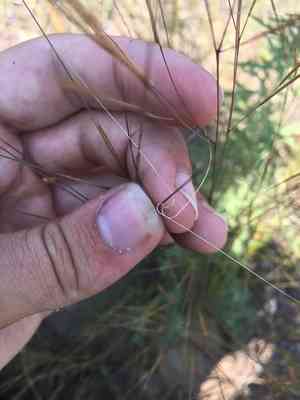
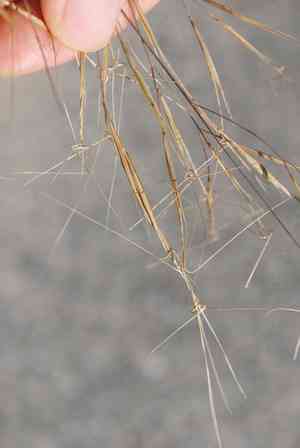
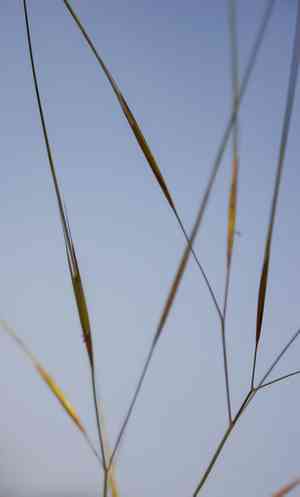
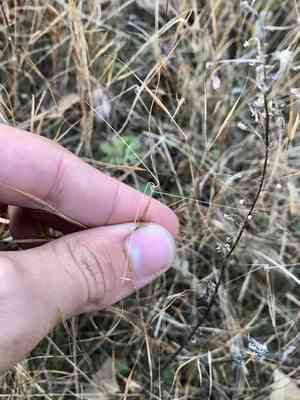
Aristida tuberculosa can be identified by its slender, wiry stems and narrow, rough-textured leaves. The distinguishing characteristic is the three awns (bristle-like appendages) arising from the seed, which give the plant its common name.
Scientific Classification of Seaside three-awn
Phylum
Vascular plants
Class
Monocotyledons
Order
Poales
Family
Grass
Genus
Threeawn
Species
Seaside three-awn
Planting and Growing of Seaside three-awn
Care Difficulty
Moderate
Watering Schedule
Every day
Sunlight Requirements
Full sun
Sunshine Duration
4-8 hours
Ideal Temperature
68-86℉
Soil Type
Potting Mix, Peat Mix
Soil pH
6.5-7.5
Fertilizer Type
Balanced
Pruning Season
Spring, Summer
Pruning Area
Branches, Leaves
Pruning Frequency
2 times a year
Repotting Season
Spring
Pot Type
Plastic, Ceramic
 How to Water Seaside three-awn?
For Aristida tuberculosa, aim for about 200 ml each time you water. Ensure the soil is lightly moist but never soggy. This plant thrives in drier conditions, so let the top inch of soil dry out between waterings.
What are the symptoms of an underwatered Seaside three-awn?
›
What should I do if my Seaside three-awn is not getting enough water?
›
What are the symptoms of an overwatered Seaside three-awn?
›
How to save an overwatered Seaside three-awn?
›
 What Are the Sunlight Requirements for Seaside three-awn?
Aristida tuberculosa thrives best in full sun conditions, with 6 to 8 hours of direct sunlight. This ideal light range ensures photosynthesis and growth processes occur optimally, promoting vigorous growth and maximum resistance to environmental stresses.
What is the ideal light for Aristida tuberculosa?
›
How to achieve ideal lighting for Aristida tuberculosa?
›
What are the benefits of ideal lighting for Aristida tuberculosa?
›
 What Is the Ideal Temperature Range for Seaside three-awn?
The ideal temperature range for Aristida tuberculosa is between 68°F and 86°F. This range allows the plant to grow optimally by providing it with enough warmth to promote strong and healthy development, while preventing stress conditions that could arise from extreme temperatures.
 What Soil is Best for Seaside three-awn?
Aristida tuberculosa thrives in well-drained soil to prevent root rot and waterlogging. This characteristic improves the plant’s health and resilience, allowing it to absorb nutrients efficiently. This grass species is adapted to grow in nutrient-poor soils, making it ideal for areas where soil enrichment isn't feasible. It showcases the plant's hardiness and easy adaptability. Requiring full sun conditions, the plant benefits from abundant natural light, which supports photosynthesis and enhances its growth and flowering potential.
 How to Fertilize Seaside three-awn?
For Aristida tuberculosa, aim to apply a light amount of fertilizer. Use about one-quarter of the recommended dose on the label, as these grasses are accustomed to nutrient-poor soils. Too much can lead to excessive growth or foliage burns.
 How to Prune Seaside three-awn?
Choose a dry day during the growing seasons—Spring, Summer, or Autumn. This will minimize the risk of disease spread and ensure faster recovery for the plant. Before beginning, inspect the plant for any dead, damaged, or diseased stems. Removing these at ground level helps prevent the spread of infections and improves overall plant health. Trim back older stems to just above a node. This promotes the emergence of new shoots and helps the plant maintain its characteristic wispy appearance. When trimming for shape, follow the plant's natural growth pattern. This allows Aristida tuberculosa to maintain its natural form while ensuring even growth.
More About Pruning Techniques→
 How to Propagate Seaside three-awn plant?
1
Collect seeds from mature Aristida tuberculosa plants at the end of their growing season. Ensure seeds are fully ripe and dry them thoroughly before storage to prevent mold or degradation.
2
Sow Aristida tuberculosa seeds in prepared seed trays, lightly pressing them into the soil mix without covering them completely. Ensure even spacing to promote uniform growth and reduce competition for resources.
3
Water the seeds gently using a fine mist to avoid disturbing them. Maintain consistent moisture levels, avoiding waterlogging, to support germination. Place the tray in a location with ample indirect sunlight.
 How to Repot Seaside three-awn plant?
1
Aristida tuberculosa signals the need for a new pot when its roots start to outgrow the current container. If you notice roots emerging from the drainage holes or the plant becomes root-bound, it’s time to consider repotting. Additionally, if the soil no longer retains moisture or the plant's growth has stunted, these are indicators for a new, roomier home.
2
Selecting a pot with ample drainage is crucial for Aristida tuberculosa. Opt for a container that's just a few inches larger in diameter than the current one. This ensures enough space for root expansion but prevents excessive soil, which could lead to water retention issues, thereby keeping the roots healthy and preventing rot.
3
For Aristida tuberculosa, a well-draining sandy mix is ideal. This type of soil mimics its natural habitat, ensuring good aeration and preventing waterlogging. A mix with sand, perlite, and a little organic matter will keep the plant robust, promote healthy root growth, and prevent diseases associated with poor drainage.



