How to Prune Pointleaf Manzanita?
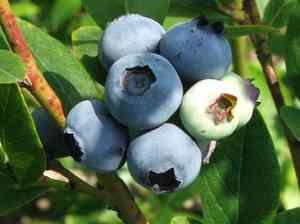
This perennial woody plant, recognized for its unique flaky bark and reddish branches, necessitates careful trimming to preserve its form and vitality. For pointleaf Manzanita, conduct pruning in the winter while the plant is inactive to avert ailments and encourage robust spring development. Initially, eliminate any deceased or ailing wood, then thin out congested sections to improve air movement. Restrict pruning to the elimination of intersecting branches and contouring, as excessive removal can diminish blooming. Pruning improves visual attractiveness and manages dimensions in garden design.
What Are the Benefits of Pruning Pointleaf Manzanita?
What Are the Benefits of Pruning Pointleaf Manzanita?
Trimming pointleaf Manzanita is crucial for sustaining its vigorous development and desired shape. Careful removal of dead or overgrown limbs promotes a more robust and structured form, enhancing the plant's overall health and visual appeal.
What Is the Best Time for Pruning Pointleaf Manzanita?
What Is the Best Time for Pruning Pointleaf Manzanita?
Trimming pointleaf Manzanita in late winter, just prior to the start of spring growth, is optimal as the plant remains dormant. This timing minimizes plant stress, allowing it to recover quickly with the approaching growing season. It also provides the benefit of a clearer view of the plant's structure, as pointleaf Manzanita's foliage is less dense, enabling more precise cuts. Pruning at this time avoids disrupting the spring flowering and subsequent fruiting phase, ensuring the plant's aesthetic and ecological contributions are preserved.
What Tools Do I Need to Prune Pointleaf Manzanita?
Hand Pruners
Perfect for removing small twigs and shaping pointleaf Manzanita, as well as cutting through stems less than 1/2 inch thick.
Loppers
Ideal for cutting branches with a diameter of 1/2 to 1 1/2 inches, enabling gardeners to reach deeper or higher without overextending.
Pruning Saw
Necessary for removing larger branches over 1 1/2 inches in diameter, providing clean cuts without harming pointleaf Manzanita.
Gloves
Essential for protecting hands from pointleaf Manzanita's rough bark and any sharp edges during trimming.
Pruning Shears
For detailed shaping and fine-tuning of pointleaf Manzanita, to precisely snip smaller branches and foliage.
How to Prune Pointleaf Manzanita
Cleaning tools
Before starting, clean and sterilize pruning tools to prevent the spread of disease to pointleaf Manzanita. Use a solution of 1 part bleach to 9 parts water for disinfection.
Remove withered leaves
Carefully inspect pointleaf Manzanita for withered leaves. Gently trim these leaves at the base where they meet the stem or branch, avoiding damage to healthy tissue.
Eliminate dead branches
Identify and remove dead branches on pointleaf Manzanita by cutting them at their point of origin from the main stem or healthy tissue, ensuring clean cuts to promote healing.
Cut diseased branches
Trim diseased branches on pointleaf Manzanita by making cuts at least a few inches into healthy tissue to ensure complete removal of infected parts. Dispose of these properly to prevent disease spread.
Shape plant
After removing the withered leaves, dead, and diseased branches, lightly shape pointleaf Manzanita to maintain its natural form. Avoid heavy pruning which may stress the plant.
Common Pruning Mistakes with Pointleaf Manzanita
Over pruning
Removing too much foliage at once can stress pointleaf Manzanita, hindering its growth and recovery. It is crucial to prune judiciously, avoiding the removal of more than one-third of the plant's volume during a pruning session.
Improper cut location
Cutting too close to the main stem or leaving too long a stub can cause improper healing and invite disease. Make cuts just above a leaf node or lateral branch.
Using dull tools
Dull pruning tools can damage pointleaf Manzanita's branches, leading to ragged cuts that are susceptible to disease and pest infestation. Always use sharp, clean tools for clean cuts.
Unnecessary pruning
Trimming pointleaf Manzanita without a clear reason, such as to remove damaged branches or shape the plant, can lead to excessive stress. Prune only as needed to maintain plant health and appearance.
Tearing bark
When pruning larger branches, there's a risk of tearing the bark if proper techniques aren't used. Use a pruning saw and make an undercut before making the final cut to prevent bark tearing.
Disregarding plant structure
Ignoring pointleaf Manzanita's natural growth habit when pruning can result in an unnatural appearance and weaken the plant. Understand the typical structure of pointleaf Manzanita to maintain its natural form.
Common Pruning Tips for Pointleaf Manzanita
Sanitize tools
Before beginning, sanitize pruning tools to prevent the spread of disease. Use a solution of one part bleach to nine parts water or a commercial disinfectant.
Cut angled
Make clean, angled cuts just above a node or lateral branch when shortening branches. This encourages water runoff and promotes quicker healing.
Selective pruning
Focus on selective pruning by removing only dead, diseased, or crossing branches to improve air circulation and sunlight penetration, which benefits pointleaf Manzanita's overall health.
Thinning over shaping
Prioritize thinning over shaping to enhance pointleaf Manzanita's natural form. Thinning involves removing select branches back to their point of origin to create a more open structure.
Maintain branch collar
Take care not to cut into the branch collar when removing larger branches, as this area is crucial for proper wound healing.
Follow plant contours
Follow the natural contours and branching pattern of pointleaf Manzanita when pruning to maintain its organic shape and encourage a stronger, more aesthetically pleasing plant structure.



