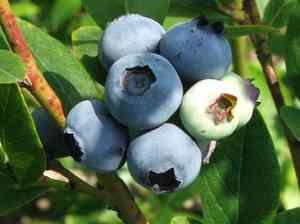
Pointleaf Manzanita (Arctostaphylos pungens)
Also known as: Point-Leaf Manzanita
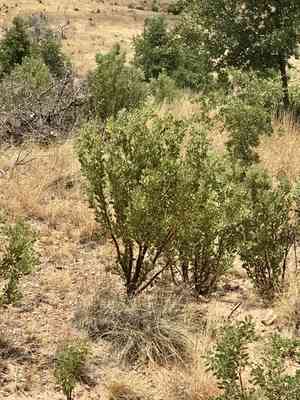
Pointleaf Manzanita (Arctostaphylos pungens) is a woody shrub native to the western United States. It typically reaches heights of 91 to 305 cm and thrives in medium to high elevation woodlands and chaparrals. The plant blooms from winter to summer, displaying clusters of distinct pink or white urn-shaped flowers.
In This Article
Attributes of Pointleaf Manzanita
Lifespan
Perennial
Plant Type
Shrub
Plant Height
1 m to 3 m
Spread
1.2 m
Leaf Color
Green Gray
Flower Size
0.2 to 0.3 inches
Flower Color
White Pink
Images of Pointleaf Manzanita
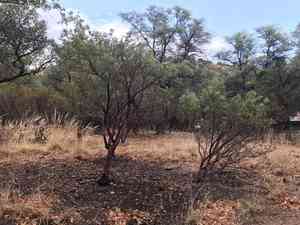
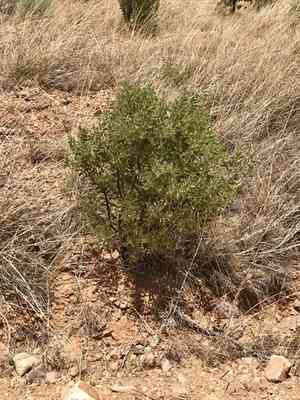
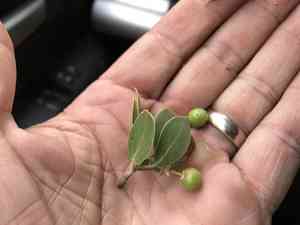
Quickly Identify Pointleaf Manzanita
1
To identify Arctostaphylos pungens, look for its characteristic red bark, spiny, pointed leaves, and small pink or white bell-shaped flowers. The plant typically grows in dry, rocky habitats.
Scientific Classification of Pointleaf Manzanita
Phylum
Vascular plants
Class
Dicotyledons
Order
Ericales
Family
Heath
Genus
Arctostaphylos
Species
Pointleaf Manzanita
Planting and Growing of Pointleaf Manzanita
Care Difficulty
Easy
Watering Schedule
Every 2 days
Sunlight Requirements
Full sun
Sunshine Duration
4-8 hours
Ideal Temperature
50-80℉
Soil Type
Potting Mix, Peat Mix
Soil pH
6.5-7.5
Fertilizer Type
Balanced
Pruning Season
Spring, Summer
Pruning Area
Branches, Leaves
Pruning Frequency
2 times a year
Repotting Season
Spring
Pot Type
Plastic, Ceramic
 How to Water Pointleaf Manzanita?
Arctostaphylos pungens prefers a well-drained environment. Watering should be deep, aiming for about 500 ml, allowing the soil to dry out between sessions. Deep watering promotes strong root development.
What are the symptoms of an underwatered Pointleaf Manzanita?
›
What should I do if my Pointleaf Manzanita is not getting enough water?
›
What are the symptoms of an overwatered Pointleaf Manzanita?
›
How to save an overwatered Pointleaf Manzanita?
›
 What Are the Sunlight Requirements for Pointleaf Manzanita?
Full sun is ideal, promoting strong growth and flowering. Light exposure strengthens the plant's natural defenses, enhancing health, resistance to pests, and environmental stresses.
More About Sunlight Requirements Techniques→
How much sunlight does Arctostaphylos pungens need?
›
What solutions help achieve ideal sunlight exposure?
›
What benefits arise from achieving ideal light conditions?
›
 What Is the Ideal Temperature Range for Pointleaf Manzanita?
Arctostaphylos pungens thrives best in a temperature range of 50°F to 80°F. In this range, the plant can perform crucial physiological processes optimally, such as photosynthesis and water regulation, which are essential for healthy growth and reproduction. Maintaining these conditions will ensure the plant remains vigorous and less susceptible to pests and diseases.
 What Soil is Best for Pointleaf Manzanita?
Arctostaphylos pungens thrives in well-drained soils, ensuring water does not accumulate around its roots. This drainage benefits the plant by preventing root rot and promoting healthier root development, essential for sustaining the plant in drier conditions. This plant is adapted to nutrient-poor soil environments, allowing it to outcompete other plants that require richer soil. Minimizing nutrient levels benefits Arctostaphylos pungens by reducing weed competition and focusing energy on leaf and flower production. The soil should have low to moderate water retention, helping to mimic the natural arid environment this plant prefers. This condition benefits by reducing the risk of overwatering and ensuring the plant receives just the right amount of moisture.
 How to Fertilize Pointleaf Manzanita?
For Arctostaphylos pungens, moderation is key in fertilization. Avoid excess since this plant is adapted to nutrient-poor soils. Apply a light dose of liquid fertilizer diluted to half strength every two weeks during the growing season.
 How to Prune Pointleaf Manzanita?
Use clean, sharp pruning shears for precise cuts that minimize plant stress. A small saw may be necessary for thicker branches, achieving clean cuts while minimizing plant tissue damage. Start by removing dead or diseased branches to prevent the spread of disease. Look for branches that are brittle, discolored, or lack new growth and cut them back to live tissue. Trim back overgrown branches to maintain the plant's shape. Cut just above a leaf node or side branch to encourage new growth direction, balancing the plant's form for aesthetic appeal. Thin out dense areas to enhance air circulation, reducing the risk of mildew and pest issues. Trim selective branches that are growing inward or crossing over others.
More About Pruning Techniques→
 How to Propagate Pointleaf Manzanita plant?
1
Collect ripe berries in autumn, clean to remove pulp, and dry seeds. Scarify the seeds lightly to break dormancy, facilitating faster germination.
2
Use a well-draining mix with equal parts of sand and potting soil for sowing seeds. Ensure the soil is slightly acidic to mimic natural conditions, which encourages better growth.
3
Sow seeds or place cuttings evenly spaced in the tray. Water gently to keep the soil moist but not waterlogged. Consistent moisture levels help seeds germinate and cuttings develop roots.
 How to Repot Pointleaf Manzanita plant?
1
Arctostaphylos pungens, commonly known as pointleaf manzanita, shows it’s time for a new home when the roots begin to coil at the soil's surface or emerge from drainage holes. Additionally, if you notice stagnant growth or the soil no longer absorbs water well, these are signs that repotting is necessary.
2
Select a pot that is one size larger than its current one, ensuring it has ample drainage holes. This prevents waterlogging, a nemesis for manzanitas. Opt for clay or terracotta pots which allow for better aeration, supporting the plant’s preference for dry, porous conditions.
3
The ideal soil mix for Arctostaphylos pungens is one that mimics its native rocky and porous environment. Use well-draining soil with a mixture of sand, perlite, and a touch of organic matter, which helps prevent root rot while allowing the plant to anchor and absorb nutrients efficiently.



