How to Prune Pecho manzanita?
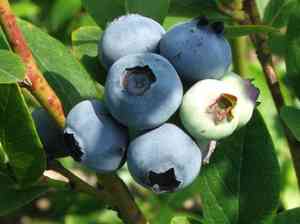
Pecho manzanita commonly displays characteristic shiny green foliage and reddish-brown bark. Perform trimming in early spring prior to the emergence of new shoots. Employ careful, targeted pruning to eliminate deceased or compromised limbs and enhance air circulation, being mindful not to excessively trim, as this could cause stress to the specimen. Consistent trimming fosters more robust development and richer blossoms, significantly boosting its aesthetic value. To achieve optimal outcomes, consistently employ sanitized, sharp implements to avert the spread of pathogens and facilitate rapid recovery.
What Are the Benefits of Pruning Pecho Manzanita?
What Are the Benefits of Pruning Pecho Manzanita?
Trimming pecho manzanita promotes robust development and helps preserve its form. Consistent trimming also fosters healthy growth, boosts resistance to pests and illnesses, and enhances the plant's overall look.
What Is the Best Time for Pruning Pecho Manzanita?
What Is the Best Time for Pruning Pecho Manzanita?
Early spring is ideal for trimming pecho manzanita as it precedes the main growth period, allowing the plant to recover and reduce stress before new growth starts. Additionally, pruning just before vigorous new growth ensures cuts are quickly covered by fresh foliage, lowering the risk of disease. This timing also aids in shaping the plant and managing its size without interrupting its bloom cycle, ensuring maximum flowers in the upcoming season.
What Tools Do I Need to Prune Pecho Manzanita?
Bypass Pruners
Bypass pruners are perfect for making clean cuts on living plant material. They are crucial for routine upkeep and removing smaller branches or dead parts.
Loppers
Loppers provide increased leverage and cutting power for thicker branches that bypass pruners cannot handle. They are useful for managing the dense growth habit of pecho manzanita.
Pruning Saw
A pruning saw is essential for cutting through larger branches. This tool ensures smooth and efficient cuts on mature wood, which is common in older specimens of pecho manzanita.
Hand Pruners
Hand pruners are suitable for detailed tasks such as removing spent blooms and tidying up smaller stems. They facilitate precise trimming on pecho manzanita's delicate new growth.
How to Prune Pecho Manzanita
Assess
Carefully examine pecho manzanita to identify diseased leaves, withered leaves, dead branches, and diseased branches. Mark these parts for removal.
Clean Tools
Ensure pruning tools, such as shears and saws, are properly sterilized to prevent spreading any diseases.
Remove Dead
Begin by cutting off dead branches. Make cuts close to the parent branch at an angle, being careful not to harm healthy tissue.
Remove Diseased
Clip away the diseased leaves and branches. Cut at least 6 inches below the affected area into healthy wood, and dispose of the diseased material to prevent contamination.
Cleanup
Remove withered leaves to maintain the plantâs health and appearance. Collect all trimmed parts from the ground to prevent potential disease spread.
Common Pruning Mistakes with Pecho Manzanita
Over-pruning
Removing too much foliage at once can stress pecho manzanita and hinder its growth and flowering capabilities.
Improper cutting technique
Using dull tools or making jagged cuts can damage the plant and make it susceptible to disease.
Pruning at the wrong time
Routine pruning too frequently or during inappropriate months (excluding mention of best season) can disrupt the plant's natural growth cycle.
Ignoring health indicators
Failing to identify and remove dead or diseased branches early can lead to more significant health issues for pecho manzanita.
Neglecting plant shape
Cutting without regard to pecho manzanita's natural shape can result in an unattractive appearance and uneven growth.
Common Pruning Tips for Pecho Manzanita
Use sharp tools
Always use clean, sharp pruning shears to make clean cuts, which helps avoid damage and disease.
Remove dead and diseased wood
Regularly inspect pecho manzanita for any signs of dead or diseased branches and promptly remove them to maintain plant health.
Thin out crowded areas
Selectively remove branches that crowd or cross each other to improve air circulation and light penetration.
Follow natural growth patterns
Trim in a way that maintains the natural shape and flow of pecho manzanita, ensuring more attractive and balanced growth.
Make precise cuts
When cutting, make slanted cuts just above a bud or another branch, which promotes better regrowth and minimizes damage.



