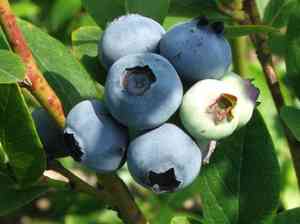
Pecho manzanita (Arctostaphylos pechoensis)
Also known as: Pecho manzanita
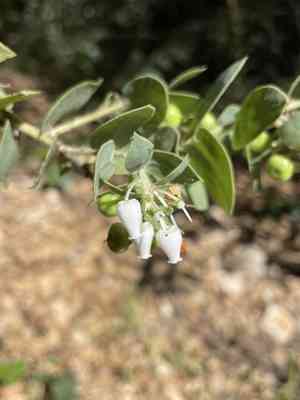
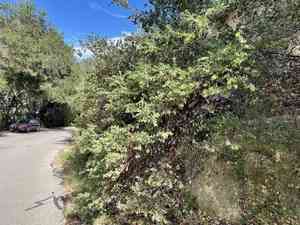
The shrub you're referring to is likely a type of Manzanita, specifically Pecho manzanita (Arctostaphylos pechoensis). This low-growing plant is native to California's coastal areas and flourishes in sandy soils. It is characterized by its leathery, oval leaves and clusters of pinkish-white, urn-shaped flowers that bloom in the spring, attracting various pollinators. Adapted to arid environments, Pecho manzanita has a deep root system that enhances its drought tolerance.
In This Article
Attributes of Pecho manzanita
Lifespan
Perennial
Plant Type
Shrub
Plant Height
1-4 meters
Spread
1-3 meters
Leaf Color
Pale green or grayish-green
Flower Size
0.5-1 cm
Flower Color
White to pink
Images of Pecho manzanita
Quickly Identify Pecho manzanita
1
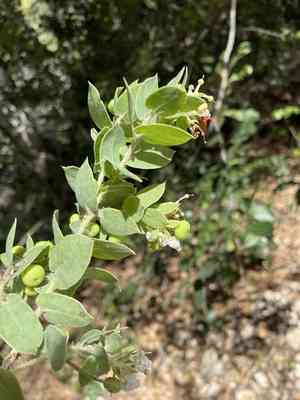
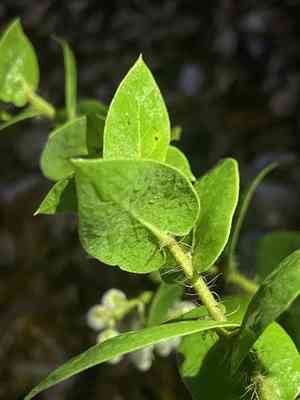
Arctostaphylos pechoensis can be identified by its reddish-brown bark, somewhat gnarled branches, and rounded leaves that are a pale green or grayish-green. In spring, it produces clusters of small, urn-shaped, white to pink flowers, and later, red to brown fruit (drupe).
Scientific Classification of Pecho manzanita
Phylum
Vascular plants
Class
Dicotyledons
Order
Ericales
Family
Heath
Genus
Arctostaphylos
Species
Pecho manzanita
Planting and Growing of Pecho manzanita
Care Difficulty
Moderate
Watering Schedule
Every 2 days
Sunlight Requirements
Full sun
Sunshine Duration
4-8 hours
Ideal Temperature
60-75℉
Soil Type
Potting Mix, Peat Mix
Soil pH
6.5-7.5
Fertilizer Type
Balanced
Pruning Season
Spring, Summer
Pruning Area
Branches, Leaves
Pruning Frequency
2 times a year
Repotting Season
Spring
Pot Type
Terracotta, Plastic
 How to Water Pecho manzanita?
Arctostaphylos pechoensis should be watered until the water penetrates the soil deeply. Ensure that the soil is moist but not soggy, avoiding standing water. The goal is to simulate a natural rainy season in which the plant receives thorough hydration occasionally, rather than frequent, shallow watering.
What are the symptoms of an underwatered Pecho manzanita?
›
What should I do if my Pecho manzanita is not getting enough water?
›
What are the symptoms of an overwatered Pecho manzanita?
›
How to save an overwatered Pecho manzanita?
›
 What Are the Sunlight Requirements for Pecho manzanita?
The ideal light range for Arctostaphylos pechoensis includes full sun to partial sun. This exposure encourages robust plant development, resistance to environmental stresses, and enhances flowering.
What is the best light condition for Arctostaphylos pechoensis?
›
How can I ensure Arctostaphylos pechoensis receives optimal light?
›
What benefits can ideal lighting provide to Arctostaphylos pechoensis?
›
 What Is the Ideal Temperature Range for Pecho manzanita?
Arctostaphylos pechoensis thrives ideally in temperatures between 60°F and 75°F. This range provides a suitable environment for optimal growth, ensuring that the plant's metabolic activities, such as photosynthesis and nutrient uptake, occur efficiently. Maintaining consistent temperatures within this range helps in developing healthy foliage and robust roots.
 What Soil is Best for Pecho manzanita?
Arctostaphylos pechoensis thrives best in well-drained soils. This ensures the plant does not sit in water, preventing root rot and promoting healthy growth. This plant prefers growing in nutrient-poor soils, which mimic its natural habitat. It allows the plant to develop a deeper root system to seek nutrients, increasing drought resistance. Sandy soils offer excellent drainage and prevent waterlogging. This is crucial for Arctostaphylos pechoensis as it favours drier conditions, reducing the risk of fungal infections.
 How to Fertilize Pecho manzanita?
For Arctostaphylos pechoensis, use a balanced, all-purpose fertilizer at a rate of 2-4 ounces per plant. Excessive fertilizer can harm the plant, so it's essential to stick to recommended amounts. Over-feeding can lead to leggy growth, diminishing the plant's natural charm.
 How to Prune Pecho manzanita?
Look for any dead, damaged, or crossed branches. These are usually the prime candidates for removal. They can inhibit healthy growth if left unmanaged. When cutting, make sure your cuts are clean and angled slightly away from the plant’s growth buds. This technique helps prevent water from collecting on the cut and reduces the risk of rot. After removing the undesirable branches, take a step back to evaluate the plant’s shape. Trim any disproportionate growth to maintain a rounded, balanced form that encourages uniform light exposure.
More About Pruning Techniques→
 How to Propagate Pecho manzanita plant?
1
Collect healthy seeds from the mature Arctostaphylos pechoensis fruit in late summer to ensure they are viable and ready for propagation in the upcoming season.
2
Select semi-hardwood cuttings that are around 4-6 inches in length. Ensure that the sections are free from diseases or pest infestations before propagation.
3
Sow the seeds in a well-draining mix, providing adequate sunlight. For layering, bury a portion of a low-growing branch to encourage root formation before separating from the main plant.
 How to Repot Pecho manzanita plant?
1
Repot Arctostaphylos pechoensis when you observe that the plant has outgrown its current pot, roots are emerging from drainage holes, or the soil has compacted and lost its aeration. Spring is the ideal time, as the plant enters its active growth phase, allowing for quicker recovery.
2
Select a pot that is one size larger than the current one, with good drainage holes. Choosing the right pot prevents waterlogging and root rot, ensuring optimal plant health. A pot with a width that allows roots to spread is ideal for accommodating future growth.
3
Use a well-draining, acidic soil mix, rich in organic matter, similar to the plant's natural habitat. This type of soil helps to maintain acidity and nutrient availability, ensuring healthy growth and reducing the risk of fungal diseases in the root zone.



