How to Prune Parana pine?
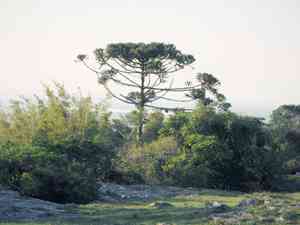
Originating from the rainforests of South America, parana pine is a coniferous tree characterized by its narrow, pyramidal form. Trimming should primarily involve excising diseased, injured, or poorly positioned branches to preserve its well-being and framework. The ideal period for pruning is during the winter season when the tree is inactive. Advantages encompass improved light access and airflow. Exercising caution to prevent excessive pruning is vital, as parana pine struggles to regrow foliage from mature wood. A restrained method safeguards the tree's inherent shape and vitality.
What Are the Benefits of Pruning Parana Pine?
What Are the Benefits of Pruning Parana Pine?
Trimming parana pine promotes robust development and preserves its structural integrity. Strategic trimming manages its size, ensuring parana pine fits its designated space and lessens the chance of heavy branches breaking.
What Is the Best Time for Pruning Parana Pine?
What Is the Best Time for Pruning Parana Pine?
Pruning or trimming parana pine in late winter is optimal as many plants, including conifers, are dormant then. During this season, sap flow is minimal, reducing bleeding from cuts. This helps prevent stress and excessive sap loss, which could attract pests or cause fungal infections. It also allows parana pine time to heal before spring's growth surge, when energy is directed to new growth, ensuring quick recovery and resource allocation to healthy branches. Additionally, without leaves, its structure is clearer, simplifying strategic cuts. Pruning outside this period, especially during active growth or dry/hot seasons, can negatively affect parana pine's health and vigor.
What Tools Do I Need to Prune Parana Pine?
Hand Pruners
Perfect for cutting smaller branches of parana pine. Bypass pruners are recommended for their cleaner cuts, vital for parana pine's health.
Loppers
Suitable for slightly larger branches that hand pruners can't manage. They offer more leverage and can reach higher into the plant.
Pruning Saw
Essential for the largest branches that hand pruners and loppers cannot cut. A saw with coarse teeth works best for parana pine's softwood.
Pole Pruner
Excellent for reaching elevated branches without a ladder. It combines a saw and lopper on an extendable pole, safely extending your reach.
Pruning Gloves
Crucial for protecting hands from sharp needles and branches while pruning parana pine.
Secateurs
Useful for shaping and maintaining parana pine's dense foliage. They allow for precise cuts on smaller, more delicate branches.
How to Prune Parana Pine
Identify
Examine parana pine closely to find dead and diseased branches. These branches typically lack green foliage, may have a different color or texture, and might show signs of infection or decay.
Sanitize
Before any cuts, sanitize pruning tools to prevent disease spread. Clean blades with a 1:9 bleach-to-water solution, or use isopropyl alcohol to disinfect.
Prune Dead
Using sharp, clean pruning shears, remove dead branches by cutting cleanly at their base, near the trunk. Avoid cutting into the trunk or parana pine's branch collar to prevent unnecessary harm.
Prune Diseased
Carefully remove diseased branches, cutting well below the affected area, to stop disease spread in parana pine. Dispose of these branches away from healthy plants.
Finalize
After pruning, clean tools again using the sanitizing method from Step_2. Inspect parana pine to ensure all necessary branches are removed and its overall form is balanced.
Common Pruning Mistakes with Parana Pine
Overpruning
Removing too much foliage at once can stress parana pine, leading to weak growth or even death. This species generally needs minimal pruning, and excessive removal can do more harm than good.
Improper Tool Use
Using dull or dirty tools can damage parana pine branches, making them vulnerable to disease and pests. Sharp, sanitized pruning tools are crucial for clean cuts.
Incorrect Cuts
Cutting too close to the trunk can harm the collar, where the branch meets the main body, hindering the plant's natural healing. Conversely, leaving too long a stub can also impede healing and invite pests.
Topping
Cutting off the top of parana pine to reduce height is a common error that disrupts its natural shape and can cause decay, stress, and unattractive growth patterns.
Pruning For Wrong Reasons
Pruning without a clear purpose, such as removing dead wood or shaping parana pine for aesthetics, can result in unnecessary cuts that don't benefit the plant's health or growth.
Common Pruning Tips for Parana Pine
Health Assessment
Before pruning parana pine, evaluate its health and only remove dead, diseased, or damaged branches. This practice helps prevent disease spread and maintains the plant's natural growth habit.
Pruning Angle
Make cuts at a 45-degree angle, just above an outward-facing bud or branch node. This angle encourages water runoff and promotes healthy new growth in the desired direction.
Branch Collar Awareness
When removing larger branches, be careful to cut just outside the branch collar without leaving a stub. This approach protects the main trunk and allows parana pine to heal more effectively.
Selective Pruning
Instead of indiscriminate cutting, selectively thin out crowded areas to improve air circulation and light penetration. This selective method promotes the overall vitality of parana pine.
Prune To Shape
Parana pine generally maintains its natural conical form with little intervention. When shaping, do so minimally and thoughtfully to enhance, not alter, the innate shape of the plant.



