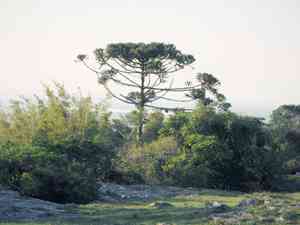
Parana pine (Araucaria angustifolia)
Also known as: Brazilian pine, Paran araucaria
The Paraná pine, despite being called a pine in various languages, is not actually a true pine tree. It is an evergreen species native to Brazil and is critically endangered.
In This Article
Attributes of Parana pine
Lifespan
Perennial
Plant Type
Tree
Plant Height
40 m
Spread
1 m
Leaf Color
Green
Flower Size
1.5 cm to 2.5 cm
Flower Color
N/A
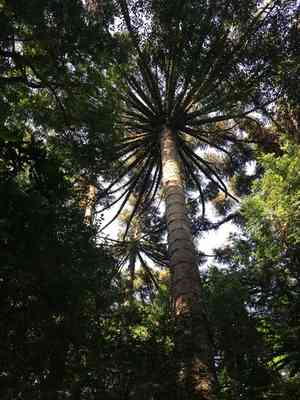
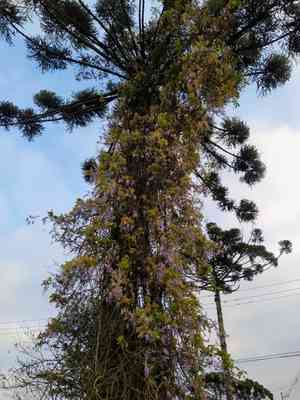
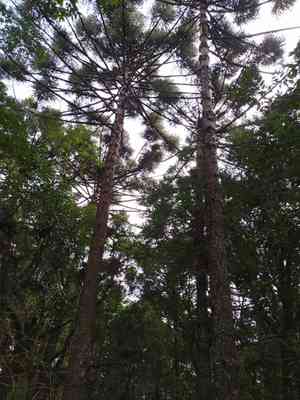
Images of Parana pine
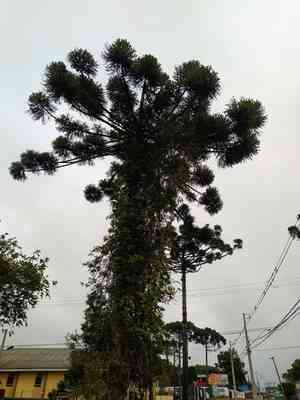
Quickly Identify Parana pine
1
Look for the distinctive triangular, leathery leaves arranged in a dense, spirally pattern around the stem. The tree has a tall and slender trunk with branches that have a candelabra-like appearance.
Scientific Classification of Parana pine
Phylum
Vascular plants
Class
Conifers
Order
Pinales
Family
Araucaria
Genus
Araucaria
Species
Parana pine
Planting and Growing of Parana pine
Care Difficulty
Hard
Watering Schedule
Every 2 days
Sunlight Requirements
Partial sun
Sunshine Duration
4-8 hours
Ideal Temperature
60-77℉
Soil Type
Potting Mix, Peat Mix
Soil pH
6.5-7.5
Fertilizer Type
Balanced
Pruning Season
Spring, Summer
Pruning Area
Branches, Leaves
Pruning Frequency
2 times a year
Repotting Season
Spring
Pot Type
Plastic, Terracotta
 How to Water Parana pine?
For Araucaria angustifolia, the watering should be sufficient to moisten the soil without waterlogging it. Typically, 500 ml per watering session suffices, aiming to make the soil evenly moist. The aim is to mimic its natural subtropical environment where it receives moderate moisture. Ensure the water penetrates the soil to encourage deep root growth rather than surface wetting.
What are the symptoms of an underwatered Parana pine?
›
What should I do if my Parana pine is not getting enough water?
›
What are the symptoms of an overwatered Parana pine?
›
How to save an overwatered Parana pine?
›
 What Are the Sunlight Requirements for Parana pine?
Partial sun conditions, ideally 6 to 8 hours of light, allow the Araucaria angustifolia to flourish. This balance strengthens its structural integrity, enhances green pigmentation, and supports robust growth patterns.
More About Sunlight Requirements Techniques→
Why is partial sun ideal?
›
How to achieve ideal lighting?
›
Benefits of ideal lighting conditions
›
 What Is the Ideal Temperature Range for Parana pine?
The ideal temperature range for cultivating Araucaria angustifolia lies between 60°F and 77°F. These temperatures provide optimal growing conditions by mimicking the tree's natural subtropical environment, where moderate warmth ensures healthy growth and development. Consistent temperatures within this range prevent stress and encourage robust metabolic activity. A steady climate simulates the natural habitat conditions, promoting vigorous photosynthesis and nutrient uptake. During these conditions, Araucaria angustifolia benefits from a microclimate that minimizes temperature fluctuations, thereby allowing the plant to thrive.
 What Soil is Best for Parana pine?
Araucaria angustifolia thrives in soil that is rich in organic matter and nutrients. This type of soil supports the tree’s growth by providing essential elements, ensuring vigorous growth and a robust root system. Ensuring well-drained soil is crucial to prevent waterlogging, which could lead to root rot. Sandy soil types or loam help to maintain the optimal moisture levels necessary for healthy tree growth. A soil pH that is slightly acidic to neutral (6.5-7.5) is ideal for Araucaria angustifolia. Such pH levels facilitate the plant's optimal nutrient absorption, ultimately enhancing its growth and vitality.
 How to Fertilize Parana pine?
Araucaria angustifolia benefits from modest fertilizing to avoid overwhelming its roots. For liquid fertilizer, use a balanced 10-10-10 NPK fertilizer diluted to half-strength, about 5 ml for every liter of water. For slow-release fertilizers, employ no more than 100 grams per application to ensure steady nutrient release.
 How to Prune Parana pine?
Inspect your Araucaria angustifolia for any dead, diseased, or damaged branches. These are typically brown or brittle and should be pruned first to encourage healthy growth. Trim overly long or out-of-place branches that disrupt the plant’s symmetry. Aim to enhance its classic shape by pruning overly dense portions to allow light penetration and airflow. Lightly shape the plant to maintain its conical form. Make cuts at a slight angle, just above a bud facing outward to encourage a natural-looking growth pattern.
More About Pruning Techniques→
 How to Propagate Parana pine plant?
1
Begin by soaking the seeds for 24 hours to soften their hard coats. This increases the likelihood of successful germination. Plant the seeds in trays filled with a mix of peat and sand, and maintain consistent moisture levels.
2
Take healthy cuttings from semi-hardwood branches during the preferred seasons. Remove lower leaves and dip the cutting ends in rooting hormone to enhance root development before planting in a well-drained medium.
3
Once the seedlings have developed a strong root system, they should be transplanted to individual pots. This step is crucial for ensuring they have adequate space and nutrients as they continue to grow.
 How to Repot Parana pine plant?
1
You'll know it's time to repot your Araucaria angustifolia when roots start protruding from the drainage holes, or the plant becomes too top-heavy for its current pot. Spring or autumn is ideal due to moderate temperatures aiding root establishment. This is the period where the plant exhibits slower growth, thus minimizing stress.
2
Select a pot that's just slightly larger than the current one—about 1-2 inches wider. This prevents excessive water retention, which can lead to root rot. Ensure the pot has ample drainage holes at the bottom to allow excess water to escape, keeping the roots healthy and well-aerated.
3
Opt for well-draining loamy soil rich in organic matter. This type of soil holds moisture without becoming soggy, providing an ideal balance. The organic matter also offers essential nutrients, promoting robust growth while preventing root rot conditions. This setup mimics the tree's native environment, supporting healthy development.



