How to Prune Yellow twining snapdragon?
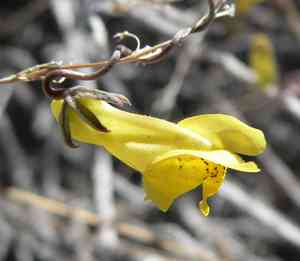
The yellow twining snapdragon, recognized for its vivid yellow blossoms and climbing nature, thrives with consistent trimming to foster robust development and abundant flowering. The ideal periods for this maintenance are late winter and early spring, right before the onset of new growth. Concentrate on excising any deceased, injured, or ailing stems, and thin out congested sections to improve air circulation. Routine pruning boosts flower production and prevents the plant from developing an overly sparse appearance. Always employ sanitized, sharp implements to avert disease transmission.
What Are the Benefits of Pruning Yellow Twining Snapdragon?
What Are the Benefits of Pruning Yellow Twining Snapdragon?
Yellow twining snapdragon thrives with pruning, promoting vigorous growth and a desirable form, which supports healthy development and enhances blooms. Regular trimming also helps manage plant size and prevents potential pest and disease issues.
What Is the Best Time for Pruning Yellow Twining Snapdragon?
What Is the Best Time for Pruning Yellow Twining Snapdragon?
Pruning yellow twining snapdragon in late winter or early spring is optimal as it aligns with the plant's dormant period before active growth. Trimming during dormancy minimizes plant stress, lowers disease risk, and encourages robust new growth. Additionally, pruning in these seasons ensures removal of damaged or dead sections, preparing yellow twining snapdragon for a healthy and abundant blooming season.
What Tools Do I Need to Prune Yellow Twining Snapdragon?
Hand Pruners
Perfect for clean cuts on slender stems and branches of yellow twining snapdragon. These help maintain the plant's shape without causing harm.
Long-Handled Pruners
Useful for reaching and trimming the twining or climbing parts of yellow twining snapdragon. They offer improved leverage and precision.
Bypass Pruners
Ideal for cutting live tissue, ensuring a clean cut that fosters healthy regrowth on yellow twining snapdragon.
Pruning Shears
Suitable for detailed trimming on smaller stems and branches of yellow twining snapdragon, excellent for preserving its aesthetic.
How to Prune Yellow Twining Snapdragon
Assessment
Examine yellow twining snapdragon thoroughly to identify any diseased or withered leaves. This initial evaluation helps determine the extent of necessary pruning.
Sanitation
Disinfect pruning shears with rubbing alcohol or a bleach solution to prevent disease spread. This ensures clean cuts and reduces infection risk.
Remove Diseased Leaves
Start by carefully cutting away any diseased leaves close to the stem, avoiding damage to healthy tissue. Dispose of these leaves immediately to prevent contamination.
Remove Withered Leaves
Next, trim away any withered leaves, again cutting close to the stem while preserving healthy parts of yellow twining snapdragon. This encourages new growth and maintains the plant's vitality.
Inspection and Cleanup
After all diseased and withered leaves are removed, inspect the plant once more for any missed areas. Clear the ground under yellow twining snapdragon to remove fallen leaves and debris, ensuring a tidy and healthy growing environment.
Common Pruning Mistakes with Yellow Twining Snapdragon
Over-pruning
Removing too much foliage can stress yellow twining snapdragon, reducing its ability to photosynthesize, leading to stunted growth or poor flowering.
Incorrect cutting technique
Using dull or unclean tools can result in ragged cuts, increasing the risk of disease and pest infestations.
Pruning at the wrong time
Although the timing details are excluded, it's important to note that pruning at an inappropriate time can disrupt the plant's natural growth cycle and flowering period.
Ignoring dead or diseased parts
Failing to remove dead, diseased, or damaged parts can allow pathogens to spread, compromising the health of the entire plant.
Common Pruning Tips for Yellow Twining Snapdragon
Use sharp and clean tools
Always use sharp and sterilized pruning shears to make clean cuts and minimize the risk of disease.
Identify and remove dead or diseased parts
Regularly inspect yellow twining snapdragon for any signs of disease, dead wood, or damaged parts, and remove these promptly to maintain plant health.
Thin out crowded stems
To encourage better air circulation and light penetration, thin out congested or overlapping stems. This helps in reducing disease risk and improving overall vigor.
Make angled cuts just above leaf nodes
Making cuts at an angle just above a leaf node encourages new growth and helps water run off, reducing the risk of fungal infections.
Follow the plantâs natural growth habit
Understand and respect yellow twining snapdragon's twining growth habit, making cuts that allow it to climb and spread naturally without overly constraining its shape.


