How to Prune Plantain pussytoes?
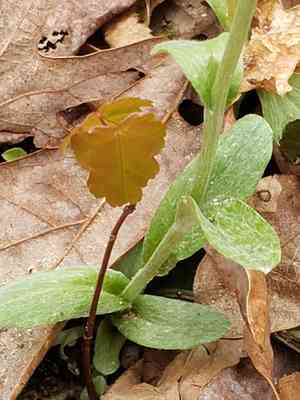
This low-growing perennial is recognized for its fuzzy, light-colored leaves and groupings of white blossoms that resemble a feline's paw. For Antennaria plantaginifolia, trimming can involve removing spent flowers after they bloom to encourage additional flowering and preserve a neat look. The best times for pruning are in late spring, following the bloom period, and early autumn to eliminate faded flowers and any untidy foliage. These actions foster more compact growth and deter unwanted self-seeding. Consistent trimming also facilitates improved air movement, which is crucial for Antennaria plantaginifolia's well-being.
What Are the Benefits of Pruning Plantain Pussytoes?
What Are the Benefits of Pruning Plantain Pussytoes?
Trimming plantain pussytoes promotes robust development and helps preserve its desired compact shape. It enables the plant to direct energy towards producing strong, healthy leaves and flowers.
What Is the Best Time for Pruning Plantain Pussytoes?
What Is the Best Time for Pruning Plantain Pussytoes?
Pruning in late Spring allows for the removal of any dead or damaged foliage from plantain pussytoes resulting from winter weather, just before the active growth period begins. It helps encourage healthy new growth as energy reserves are high. In Early Summer, after the blooming period, trimming can be advantageous to shape plantain pussytoes, maintain its compact form, and encourage a second bloom in some cases. Fall pruning is conducive for shaping and size control of plantain pussytoes, as well as removing any spent blooms or seed heads before winter if desired, without impacting next year's growth cycle. Pruning during these seasons ensures the plant does not experience unnecessary stress and has time to recover before periods of dormancy or extreme temperatures.
What Tools Do I Need to Prune Plantain Pussytoes?
Bypass Hand Pruners
Perfect for making clean cuts on plantain pussytoes's stems without crushing them. Suitable for snipping off any dead or faded flower stalks to encourage fresh growth.
Hand Shears
Effective for shaping plantain pussytoes's dense mats of foliage as they can handle the fine texture without causing trauma to the plants.
Gloves
For the gardener's protection from potential skin irritations and to ensure a firm grip while handling plantain pussytoes.
Gardening Scissors
Ideal for precise trimming of plantain pussytoes's small and delicate leaves. The small blades can navigate through tight spaces without damaging nearby plant parts.
How to Prune Plantain Pussytoes
Disinfect tools
Before starting, sterilize your pruning tools to prevent the spread of diseases. You can wipe the blades with rubbing alcohol or a solution of one part bleach to nine parts water.
Remove diseased parts
Carefully remove any diseased leaves or branches from plantain pussytoes. Ensure you cut into healthy tissue below the diseased parts to fully eliminate any spread of infection.
Trim withered leaves
Trim off the withered leaves to promote healthy growth and improve air circulation. Make your cuts near the base of the unwanted leaves, being careful not to damage new growth.
Cut dead branches
Cut away any dead branches to maintain the shape of plantain pussytoes and encourage new growth. Snip the branches at the point where they meet healthy wood, making sure your cuts are clean and precise.
Dispose waste
After pruning, dispose of all the removed parts properly, preferably by burning or bagging them, to prevent any diseases from spreading in the garden.
Common Pruning Mistakes with Plantain Pussytoes
Overpruning
Cutting back too much of plantain pussytoes at once can stress the plant, lead to a decrease in flowering, and impair the plant's vitality. It's crucial to prune no more than a third of the foliage at a time to avoid this mistake.
Improper cut location
Pruning plantain pussytoes too close to the base or leaving long stubs can cause damage to the main plant or lead to unsightly growth. Make clean cuts just above the leaf nodes or basal rosettes.
Pruning active growth
Removing actively growing tips can inadvertently limit the blooming potential of plantain pussytoes. Prune only the necessary parts to shape the plant or remove spent blooms.
Neglecting to disinfect
Not sterilizing tools before pruning plantain pussytoes can spread diseases from infected plants to healthy ones. Always disinfect pruning tools before and after use to maintain plant health.
Ignoring shape and habit
Failing to consider the natural shape and growth habit of plantain pussytoes during pruning can lead to an unnatural appearance. Prune in a manner that maintains the plantâs natural form.
Common Pruning Tips for Plantain Pussytoes
Selective pruning
Since plantain pussytoes is a low-growing perennial, practice selective pruning to remove dead or faded flowers. This encourages new growth and can improve the plant's appearance without compromising its health.
Post flowering trim
After plantain pussytoes has bloomed, trimming the flower stalks back to the base can promote a second bloom and a tidy plant appearance, although the timing of this should not be specified here.
Maintain compact growth
To keep plantain pussytoes looking compact and encourage dense foliage, lightly prune the tips of the plant. This stimulates branching and can lead to fuller growth.
Division over pruning
Instead of aggressive pruning, consider dividing plantain pussytoes every few years to manage its size and invigorate its growth. This will also create new plants to expand your garden or share with others.
Monitor plant responsiveness
Pay attention to how plantain pussytoes responds to pruning and adjust your methods accordingly. This awareness helps in understanding the plant's growth pattern and optimizing pruning practices for its health and aesthetics.



