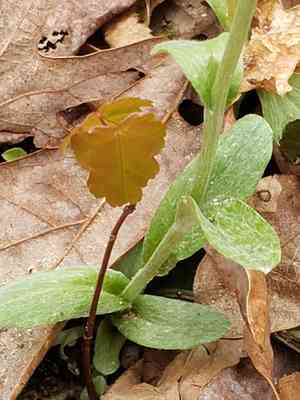
Plantain pussytoes (Antennaria plantaginifolia)
Also known as: Plantain leaved pussytoes, Pussytoes, Plantain-leaf pussytoes
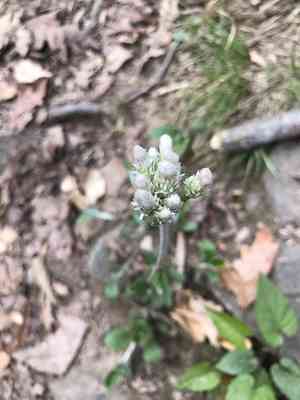
The plant known as *Antennaria plantaginifolia* is commonly called Pussytoes. Its name comes from the small, tight clusters of flowers that look like a cat’s paw. This perennial evergreen spreads via runners and produces fuzzy white blooms. Another name for it is Plantain Pussytoes.
In This Article
Attributes of Plantain pussytoes
Lifespan
Perennial
Plant Type
Herb
Plant Height
15 cm to 30 cm
Spread
30 cm to 60 cm
Leaf Color
Green Gray Silver
Flower Size
2.5 cm to 5 cm
Flower Color
White
Images of Plantain pussytoes
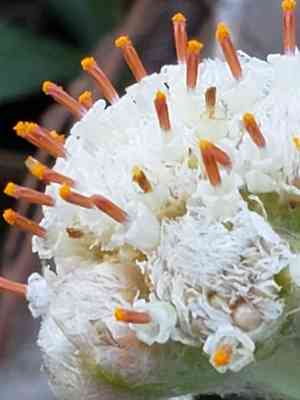
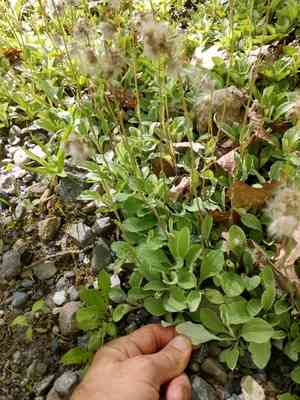
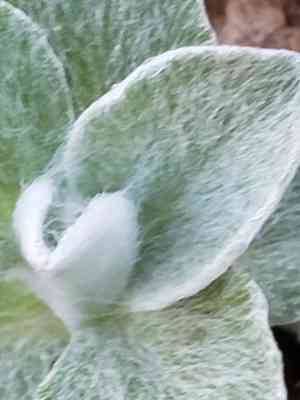
Quickly Identify Plantain pussytoes
1
Low-growing habit, max 6 inches (15 cm), spreading 1-2 feet (30-60 cm) via stolons.
2
Basal leaves broad, spoon-shaped, fuzzy texture on flower stalks and bracts.
3
Flowers in clusters, male and female, 1/2 inch (1.3 cm), blooming early to late spring.
4
Achene fruit with white resinous dots, crowned by fluffy white hairy tufts for wind dispersal.
5
Stem erect, 8-12 inches (20-30 cm) tall, covered in white hairs, grayish-green color.
Scientific Classification of Plantain pussytoes
Phylum
Vascular plants
Class
Dicotyledons
Order
Asterales
Family
Daisy
Genus
Everlasting
Species
Plantain pussytoes
Planting and Growing of Plantain pussytoes
Care Difficulty
Easy
Watering Schedule
Every 2 days
Sunlight Requirements
Partial sun
Sunshine Duration
4-8 hours
Ideal Temperature
60-70℉
Soil Type
Potting Mix, Peat Mix
Soil pH
6.5-7.5
Fertilizer Type
Balanced
Pruning Season
Spring, Summer
Pruning Area
Branches, Leaves
Pruning Frequency
2 times a year
Repotting Season
Spring
Pot Type
Plastic, Ceramic
 How to Water Plantain pussytoes?
Antennaria plantaginifolia requires a moderate amount of water, around 200ml per session. It's essential to ensure that the soil is damp but not soggy. This plant thrives when allowed to dry out slightly between waterings, so always check the top inch of soil for dryness before your next watering session.
What are the symptoms of an underwatered Plantain pussytoes?
›
What should I do if my Plantain pussytoes is not getting enough water?
›
What are the symptoms of an overwatered Plantain pussytoes?
›
How to save an overwatered Plantain pussytoes?
›
 What Are the Sunlight Requirements for Plantain pussytoes?
Antennaria plantaginifolia enjoys partial to full sun, generally benefiting from at least four hours of morning sunlight. Ideal light ensures robust growth, enhanced foliar aesthetics, and resilience to environmental stresses.
More About Sunlight Requirements Techniques→
What is the best lighting for Antennaria plantaginifolia?
›
How to achieve the ideal lighting conditions?
›
Benefits of ideal lighting conditions for Antennaria plantaginifolia?
›
 What Is the Ideal Temperature Range for Plantain pussytoes?
The ideal temperature range for Antennaria plantaginifolia is between 60°F and 70°F. This range provides optimal growth conditions, allowing the plant to thrive and develop its characteristic features. Maintaining this range ensures that the plant's metabolic processes function efficiently, promoting healthy foliage and root development.
 What Soil is Best for Plantain pussytoes?
Antennaria plantaginifolia thrives best in well-drained soils. Proper drainage ensures its roots don't sit in water, preventing root rot and promoting healthy growth. This plant prefers soils with moderate fertility levels. Too much richness can lead to rampant growth that reduces flower production, whereas moderate fertility keeps growth balanced. While it prefers drier soil, this plant can tolerate occasional moist conditions. This versatility makes it adapt easily to environments with varying moisture levels.
 How to Fertilize Plantain pussytoes?
Antennaria plantaginifolia, known for its subtle charm, requires a moderate amount of fertilizer. During the growing season, apply a balanced 10-10-10 liquid fertilizer, ensuring not to surpass 1/4 cup per square foot. This amount provides ample nutrients for healthy foliage and flowering without risking root burn.
 How to Prune Plantain pussytoes?
Before pruning, closely inspect Antennaria plantaginifolia for any damaged, diseased, or dead leaves. Removing unhealthy parts will help the plant conserve energy and focus on healthy growth. Start by gently removing any dead or brown leaves at the base of the plant. This helps improve airflow and reduces the likelihood of fungal diseases. Trim back the stems to shape the plant as desired. Focus on creating a compact appearance, which encourages eye-catching, fuller foliage and more blooms in the growing season.
More About Pruning Techniques→
 How to Propagate Plantain pussytoes plant?
1
Fill the seed trays with a well-draining propagation mix suitable for Antennaria plantaginifolia. Before sowing, moisten the soil to ensure optimal conditions for seed germination. Be sure the mix is level and lightly pressed to avoid any uneven seed placement.
2
Sow the seeds evenly on the surface of the prepared trays, and lightly cover them with a thin layer of soil. This ensures that the seeds have good contact with the soil, which is vital for successful germination. Water gently to avoid displacing the seeds.
3
For division propagation, carefully dig up a healthy mature plant. Use a sharp spade or knife to divide the plant into sections, ensuring each section has a good root system. Replant the divisions immediately in well-prepared soil to reduce stress on the plants.
 How to Repot Plantain pussytoes plant?
1
You should consider repotting Antennaria plantaginifolia when you notice that the plant's roots are growing out of the drainage holes or the soil is no longer retaining moisture effectively. Another sign is when the growth becomes stunted or the plant appears top-heavy. Spring is the optimal time to repot, as the plant is gearing up for its active growth phase.
2
Choose a pot that is one size larger than the current one, and always make sure it has adequate drainage holes. A larger pot will provide space for the roots to expand, reducing the need for frequent repotting and improving the overall health and vigor of the plant. Select a material that offers good insulation, such as ceramic or terracotta.
3
Opt for a well-draining potting mix that mimics the plant's native rocky, sandy environments. This type of soil will prevent root rot by ensuring that excess water is quickly expelled, providing the roots with the essential oxygen they require to thrive. Incorporating some perlite or coarse sand can greatly improve drainage and aeration.



