How to Prune Howell's pussytoes?
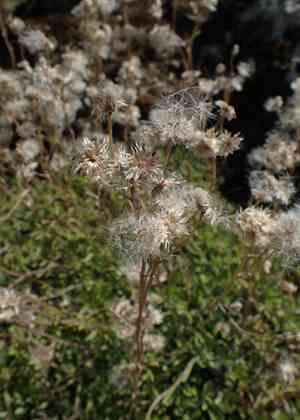
This ground-covering perennial is recognized by its fuzzy, rosette-shaped leaves and groupings of white to pinkish blossoms. For howell's pussytoes, trimming is most effective in spring prior to the emergence of new shoots, or immediately following blooming to sculpt and foster thicker foliage. Removing spent flowers can inhibit self-propagation and stimulate additional flowering. Consistent, gentle trimming from spring through autumn will maintain its neat appearance and vigor, improving air movement and lowering disease susceptibility.
Advantages of Trimming Howell's Pussytoes
Advantages of Trimming Howell's Pussytoes
Trimming howell's pussytoes promotes robust development and helps maintain its compact shape. Consistent cutting can prevent overcrowding, leading to healthier plants and more abundant blooms.
Optimal Time for Trimming Howell's Pussytoes
Optimal Time for Trimming Howell's Pussytoes
Trimming howell's pussytoes in Spring is ideal as it allows for the removal of any winter damage before new growth starts, fostering healthier development throughout the growing period. Summer trimming can be beneficial for shaping howell's pussytoes or managing its spread, especially after the main flowering phase. This timing ensures resources are directed towards healthy growth rather than supporting unnecessary foliage or faded flowers. Autumn trimming is useful for removing old blooms and preparing howell's pussytoes for dormancy, helping to prevent disease and lessen winter damage.
Tools Required for Trimming Howell's Pussytoes
Hand pruners
Perfect for making precise cuts on howell's pussytoes. Due to its small size and soft nature, hand pruners allow for delicate trimming without harming the tender stems.
Floral snips
Best for cutting smaller, more delicate areas of howell's pussytoes. Their short blades offer greater control and accuracy, which is essential for shaping and maintaining the plant's compact growth.
Garden scissors
Useful for deadheading and light shaping of howell's pussytoes. They are less bulky than pruners, providing a gentle option for clipping without damaging nearby foliage.
How to Trim Howell's Pussytoes
Identify
Identify and evaluate the parts of howell's pussytoes to be trimmed, such as diseased leaves, withered leaves, dead branches, and diseased branches. Examine each part to determine its health and contribution to howell's pussytoes's growth.
Prepare tools
Prepare the necessary tools for trimming howell's pussytoes. Ensure that the pruning shears or scissors are clean and sharp. Sterilize the tools with alcohol to prevent the spread of disease among different parts of howell's pussytoes.
Trim diseased and dead materials
Begin trimming by removing all unhealthy parts. Carefully cut off diseased and withered leaves, as well as dead and diseased branches. Make clean cuts close to the main stem or to the next healthy section, avoiding damage to the healthy tissues.
Shape plant
After removing unhealthy parts, shape howell's pussytoes by trimming any branches that are out of place or disrupt the plantâs appearance. Focus on maintaining a natural look that allows for ample air circulation and sunlight penetration.
Cleanup
Dispose of all removed materials such as dead leaves and branches properly to prevent any potential disease spread. Clean and sanitize your tools after finishing to keep howell's pussytoes healthy for the next trimming session.
Common Trimming Errors with Howell's Pussytoes
Over-trimming
A common error with howell's pussytoes is removing too much foliage at once, which can stress the plant and impede its growth. Howell's pussytoes benefits from light trimming; excessive removal can lead to reduced vigor and sparse flowering.
Incorrect cutting technique
Using dull or dirty trimming tools can damage the stems of howell's pussytoes, leading to uneven cuts that potentially expose the plant to diseases. Proper, clean cuts are vital for maintaining plant health.
Trimming during flowering
Cutting back howell's pussytoes while it is flowering can result in losing blooms for that season. Although specific seasonal timing is not discussed here, it is essential to avoid trimming during blooming periods to ensure the beauty and health of the plant are maintained.
General Trimming Advice for Howell's Pussytoes
Healthy plant upkeep
To keep howell's pussytoes thriving, focus on thinning out crowded clumps and removing dead or damaged foliage. This practice will promote air circulation and reduce the risk of fungal infections, supporting overall health.
Encouraging new growth
Trim howell's pussytoes by pinching off the tips of the stems early in the growing season. This encourages bushier growth and can lead to a more aesthetically pleasing plant form.
Promoting vigorous bloom
Regularly deadhead, or remove spent flowers from howell's pussytoes, to foster more robust and abundant flowering. This tip not only enhances the appearance of howell's pussytoes but also redirects the plant's energy towards healthier bloom production.



