How to Prune Narrowleaf desert honeysuckle?
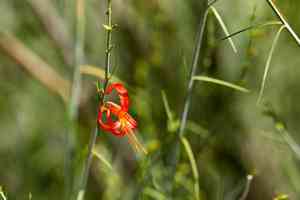
Narrowleaf desert honeysuckle flourishes in dry environments, featuring slender, tubular blossoms that draw hummingbirds. Perform pruning in early spring to eliminate deceased or compromised limbs and stimulate robust development. Shorten excessively lengthy stalks to preserve its form and foster a denser appearance. Pruning improves air movement, lowers the likelihood of ailments, and revitalizes flowering. Refrain from extensive trimming in late autumn to avert harm during winter. Consistent upkeep guarantees a lively, neat specimen perfectly adapted to its desert surroundings.
Advantages of Trimming Narrowleaf Desert Honeysuckle
Advantages of Trimming Narrowleaf Desert Honeysuckle
Trimming narrowleaf desert honeysuckle encourages robust development and maintains its form. Regular trimming fosters healthy growth, boosts blooming, manages plant dimensions, and enhances aesthetic appeal. Proper trimming also helps narrowleaf desert honeysuckle resist pests and illnesses, ensuring a flourishing garden presence.
Optimal Time for Pruning Narrowleaf Desert Honeysuckle
Optimal Time for Pruning Narrowleaf Desert Honeysuckle
Pruning narrowleaf desert honeysuckle in early spring is ideal as it aligns with the plant's growth cycle. During this period, narrowleaf desert honeysuckle is just beginning to prepare for new growth, meaning pruning will not hinder its healthy development. Additionally, trimming in early spring reduces the risk of frost damage, which can occur if pruning is done during colder months. Pruning at this time also helps shape the plant, remove any dead or damaged branches, and encourage strong, healthy flowering in the upcoming blooming season.
Essential Tools for Pruning Narrowleaf Desert Honeysuckle
Bypass Hand Pruners
Perfect for precise cuts on living wood without crushing plant tissues. Suitable for making clean cuts on stems and smaller branches.
Loppers
Useful for cutting thicker branches that are too large for hand pruners but still manageable. Provides extra leverage.
Pruning Saw
Required for cutting through larger, woody stems or branches that hand pruners and loppers cannot handle.
Gloves
Ensure you have protective gloves to prevent any injuries while handling sharp tools.
How to Prune Narrowleaf Desert Honeysuckle
Remove diseased leaves
Carefully inspect narrowleaf desert honeysuckle for any leaves showing signs of disease such as discoloration or fungal growth. Using sterilized pruning shears, cut these leaves at their base, ensuring to dispose of them properly to prevent the spread of disease.
Remove withered leaves
Identify withered or dried-up leaves on narrowleaf desert honeysuckle. Trim these leaves close to where they attach to the stem to maintain the plantâs appearance and health.
Remove dead branches
Look for branches that are dry and brittle, indicating they are dead. Use sanitized, sharp pruners to cut these branches back to a healthy part of the plant or to the base, if necessary. Ensure a clean cut to avoid leaving jagged wounds.
Remove diseased branches
Inspect narrowleaf desert honeysuckle for branches showing disease symptoms such as cankers or abnormal growths. Prune these diseased branches several inches below the affected area to ensure complete removal of the disease. Always sanitize pruning tools between cuts to prevent contamination.
Check and trim for shape
After addressing the diseased and dead parts, step back and examine narrowleaf desert honeysuckle for overall shape. Trim overgrown areas to maintain symmetrical growth, cutting just above a set of leaves or a branching node to promote healthy, directed growth.
Common Pruning Errors with Narrowleaf Desert Honeysuckle
Excessive pruning
Removing too much foliage at once can stress narrowleaf desert honeysuckle, reducing its ability to photosynthesize and grow properly.
Incorrect cutting technique
Using dull or inappropriate tools can damage stems, leading to infection or poor regrowth.
Pruning at the wrong stage
Pruning when narrowleaf desert honeysuckle is not ready can stunt its growth and inhibit flowering.
Ignoring dead or diseased branches
Failing to remove damaged or dead branches can spread disease and hamper the plant's overall health.
Lack of sanitization
Not sterilizing tools before pruning can introduce or spread plant diseases.
Improper shaping
Pruning without considering the natural shape can result in an unnatural and unsightly appearance.
General Pruning Advice for Narrowleaf Desert Honeysuckle
Use clean, sharp tools
Always use clean, sharp pruning shears or loppers to make clean cuts and prevent damage to the plant.
Identify and remove dead wood first
Start by removing any dead, damaged, or diseased branches to improve air circulation and overall plant health.
Cut above a node
Make cuts just above a leaf node or bud to promote healthy regrowth and direct the plantâs energy effectively.
Thin out crowded areas
If branches are too dense, thin them out to allow more light and air to penetrate the bush, reducing the risk of disease.
Reshape carefully
When reshaping narrowleaf desert honeysuckle, follow its natural growth habit to maintain an attractive form and encourage balanced growth.
Sanitize tools
Ensure tools are sanitized between cuts, especially when dealing with diseased branches, to keep the plant healthy.
Consider plant size
Be mindful of the ultimate size you want narrowleaf desert honeysuckle to achieve and avoid excessive cuts that could undermine desired growth.



