How to Prune Drummond's anemone?
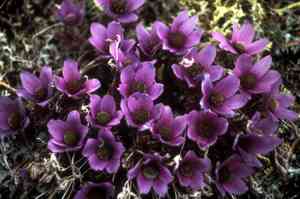
Characterized by its vivid, fragile blossoms, drummond's anemone thrives with thoughtful trimming. The most effective periods for pruning are in early spring and late winter, coinciding with its natural development. Eliminate any deceased or compromised stalks to encourage robust growth, and cut back after blooming to preserve its form. Pruning enhances air circulation, thereby lowering the chance of illness and boosting general vitality. Always use clean, sharp implements for superior outcomes. Gardens featuring drummond's anemone experience heightened visual appeal and plant wellness through these regular pruning practices.
What Are the Benefits of Pruning Drummond's Anemone?
What Are the Benefits of Pruning Drummond's Anemone?
Drummond's anemone requires trimming to encourage robust development and maintain its form. Pruning enhances its overall look, manages its size, and fosters healthy growth, making the plant more resilient to pests and diseases.
What Is the Best Time for Pruning Drummond's Anemone?
What Is the Best Time for Pruning Drummond's Anemone?
Drummond's anemone should be trimmed or cut back during late winter and early spring for several reasons. Firstly, these periods occur just before the new growth cycle begins, allowing the plant to recover quickly and promote vigorous growth. Pruning at this time helps remove any dead or damaged stems that may have accumulated over winter, reducing the risk of disease and pest infestation. Additionally, late winter and early spring pruning aligns with drummond's anemone's natural dormancy, minimizing stress on the plant and ensuring healthy, abundant flowering during the active growing season.
What Tools Do I Need to Prune Drummond's Anemone?
Bypass Pruners
Perfect for clean cuts on living stems and branches. Drummond's anemone has delicate stems, requiring precise cuts to prevent harm.
Pruning Shears
Excellent for removing faded flowers and trimming small stems. Drummond's anemone benefits from consistent deadheading to encourage continuous blooming.
Snips
Useful for detailed trimming and eliminating dead or damaged foliage. Drummond's anemone grows in dense clusters, needing accuracy to avoid harming healthy sections.
Gloves
Essential for protecting hands from sap or sharp edges while pruning drummond's anemone. This ensures safety and prevents skin irritation.
Sanitizing Wipes
Crucial for sterilizing tools before use to prevent the spread of diseases in drummond's anemone. Clean tools ensure the plant's well-being.
How to Prune Drummond's Anemone
Assess
Carefully inspect the plant to identify any diseased or withered leaves. Look for signs of discoloration, spots, and wilting.
Prepare tools
Gather clean, sharp pruning shears or scissors. Disinfect the tools with rubbing alcohol or a bleach solution to prevent the spread of potential pathogens.
Diseased leaves
Gently trim off any diseased leaves, making clean cuts just below the affected area. Dispose of these leaves away from the garden to prevent contamination.
Withered leaves
Remove the withered leaves by cutting them close to their base but avoid damaging the surrounding healthy tissue. Ensure all cuts are clean and sharp.
Clean up
Clear the trimmed leaves and any debris from the area around the plant. This helps improve air circulation and reduces the risk of disease.
Common Pruning Mistakes with Drummond's Anemone
Incorrect timing
Pruning at the wrong time of year can stress drummond's anemone and lead to decreased flowering. While timing information is not included here, ensure to prune during the season specifically recommended for drummond's anemone.
Excessive pruning
Removing too much foliage can weaken drummond's anemone, reducing its ability to photosynthesize effectively, and potentially hinder growth and flowering.
Improper cuts
Making jagged or uneven cuts can damage the plantâs structure and make it more susceptible to disease and pest infestation.
Neglecting tools
Using dull or unclean pruning tools can cause injury to drummond's anemone, increasing the risk of disease transmission.
Common Pruning Tips for Drummond's Anemone
Clean tools
Always use sharp, clean pruning tools to make precise cuts and reduce the risk of transferring diseases.
Minimal pruning
Prune lightly to remove dead, damaged, or diseased stems and leaves. This will help maintain the plant's health without causing undue stress.
Angle cuts
Make cuts at a slight angle above a leaf node or bud. This encourages better growth patterns and prevents water from settling on the cut surface.
Remove spent flowers
Regularly deadhead spent flowers. This will help drummond's anemone focus its energy on producing new blooms rather than seed formation.
Inspect regularly
Regular inspection of drummond's anemone will help identify any dead, damaged, or diseased parts that need to be pruned promptly, maintaining overall plant health.



