How to Propagate Drummond's anemone?
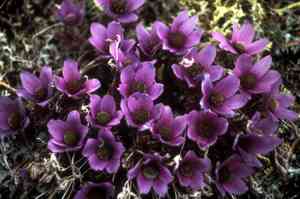
Drummond's anemone flourishes in soil that drains effectively and receives sufficient sunlight. For propagation via seeding, scatter seeds on the surface of a seed tray containing a damp, sterilized seed-starting substrate. Ensure continuous moisture without excessive saturation, and position the tray in a well-lit area. Germination can be protracted, so perseverance is essential. After seedlings have matured, transfer them to their permanent spot, making sure they have ample room to prevent excessive density.
When Is the Optimal Time to Propagate Drummond's Anemone?
Propagation Method
Seeding
Propagation Period
Spring
What Equipment Is Used in Drummond's Anemone Propagation?
Seed Tray
Utilized for sowing drummond's anemone seeds in a controlled setting. The tray guarantees uniform seed distribution and ample room for development.
Seedling Heat Mat
Helps maintain a consistent soil temperature, vital for the germination of drummond's anemone's seeds. This device promotes quicker and more even sprouting.
Fine Seed Starter Mix
A light, nutrient-rich medium ideal for sowing drummond's anemone's seeds, ensuring good root development and minimizing disease risks.
Misting Bottle
Delivers gentle moisture to the seeds and seedlings, preventing soil disturbance and ensuring drummond's anemone receives sufficient hydration without overwatering.
Transparent Seed Tray Lid
Maintains humidity and shields seeds from environmental stress, crucial for the optimal germination of drummond's anemone.
Labeling Stakes
Assists in identifying and tracking drummond's anemone's seeds and seedlings, ensuring proper monitoring and care.
Hand Trowel
A small tool to aid in precise planting and transplanting of drummond's anemone seedlings, reducing root damage.
Pencil or Dibber
Used to create small holes for sowing drummond's anemone seeds at the correct depth, ensuring good seed-to-soil contact.
Fungicide Spray
Prevents fungal infections that could harm drummond's anemone seedlings, ensuring healthy growth during the vulnerable early stages.
How to Propagate Drummond's Anemone?
Propagation Type
Simple
How to Care for Your Newly Propagated Drummond's Anemone?
How to Care for Your Newly Propagated Drummond's Anemone?
After propagation, drummond's anemone needs consistent moisture, especially during its initial growth phase. Ensure the soil remains well-drained to prevent root rot. Place the plants in an area with partial shade to mimic their natural habitat. Regularly check for pests and use mulch to help retain soil moisture and regulate temperature. As drummond's anemone matures, reduce watering frequency to ensure the roots do not stay waterlogged.
Common Mistakes to Avoid When Propagating Drummond's Anemone
Overwatering
Excessive moisture can lead to root rot and fungal diseases, hindering root establishment.
Using poor quality soil
Improper soil that doesn't drain well can suffocate roots and stunt growth.
Neglecting humidity
Failing to maintain the necessary humidity levels can cause desiccation and poor root development.
Incorrect cutting methods
Improper cutting techniques can damage the plant tissue, leading to unsuccessful propagation.
Ignoring light requirements
Too little or too much light can inhibit root formation and overall growth.
Tips For Propagating Drummond's Anemone
Well-draining soil
Use soil that ensures proper drainage to prevent waterlogging and promote healthy root growth.
Humid environment
Maintain adequate humidity by covering with a plastic dome or using misting techniques to prevent desiccation.
Proper cutting
Make clean cuts with sterilized tools to reduce the risk of disease and improve propagation success.
Adequate light
Provide bright, indirect light to support healthy growth and root establishment.
Moderate watering
Water moderately to keep the soil moist but not soggy, ensuring the soil can breathe and support new roots.



