How to Prune Columbian windflower?
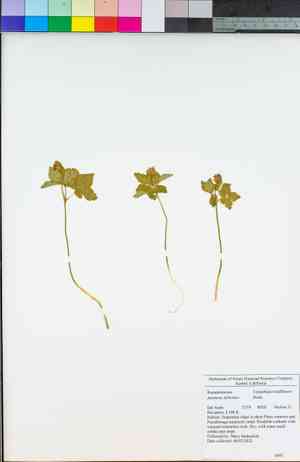
Recognized for its exquisite white blossoms and appealing leaves, columbian windflower thrives with trimming performed in early spring or late winter. Eliminate any deceased or compromised stalks to foster robust development and improve air movement. Severing stems near the ground stimulates more abundant blooming in the subsequent period. Consistent trimming aids in preserving the plant's form and general well-being. Consult gardening recommendations to optimize the advantages of these procedures for columbian windflower.
What Are the Benefits of Pruning Columbian Windflower?
What Are the Benefits of Pruning Columbian Windflower?
Columbian windflower thrives with trimming, which encourages robust development and maintains its form. Regular trimming eliminates dead or diseased sections, thereby boosting resilience and overall look. This method fosters healthier, more abundant blooms and keeps the plant's size in check.
What Is the Best Time for Pruning Columbian Windflower?
What Is the Best Time for Pruning Columbian Windflower?
Trimming or cutting back columbian windflower during late winter or early spring is ideal, as this period precedes its active growth phase. Pruning at this time promotes vigorous development and ensures the plant isn't stressed during its flowering season. Since columbian windflower typically begins its growth cycle with the arrival of warmer temperatures, this timing allows for the removal of dead or damaged stems and supports a strong start to the growing season. Furthermore, pruning before the plant fully emerges from dormancy reduces the risk of diseases and pests targeting fresh cuts, thus enhancing overall plant health.
What Tools Do I Need to Prune Columbian Windflower?
Hand Pruners
Hand pruners are crucial for removing dead or damaged foliage. They are perfect for making clean cuts on small stems and leaves, aiding in the healthy growth of columbian windflower.
Bypass Pruners
Bypass pruners are excellent for cutting live stems without harming the plant. They are ideal for precise trimming, which is vital for maintaining the shape and health of columbian windflower.
Pruning Shears
Pruning shears are useful for cutting thicker stems or branches. They offer more leverage and control than hand pruners, ensuring clean cuts on larger parts of columbian windflower.
Small Scissors
Small scissors can be utilized for detailed pruning tasks, such as removing individual leaves or flower heads in columbian windflower. They allow for accuracy and care in delicate trimming situations.
Gloves
High-quality gardening gloves are important for protecting hands while pruning columbian windflower. They prevent injuries from sharp tools and thorns.
Cleaning Alcohol
Cleaning alcohol is necessary to sterilize tools before and after use, preventing the spread of disease in columbian windflower.
How to Prune Columbian Windflower
Inspect
Thoroughly examine columbian windflower for any indications of diseased or withered leaves. Pay close attention to leaves that are discolored, spotted, or drooping.
Sanitize Tools
Disinfect your pruning tools using a solution of 70% isopropyl alcohol or a 10% bleach solution to prevent the spread of disease. This is essential before making any cuts.
Remove Diseased Leaves
Carefully trim away any diseased leaves at their base using sanitized pruning shears. Ensure you cut well below the affected area to fully eliminate the infected parts.
Remove Withered Leaves
Cut off withered leaves close to the base, but be careful not to harm the healthy sections of columbian windflower. Ensure a clean cut to promote rapid healing.
Dispose
Properly discard all removed leaves, especially diseased ones, by sealing them in a bag and placing them in the trash, not in the compost pile, to avoid spreading disease.
Common Pruning Mistakes with Columbian Windflower
Incorrect technique
Using improper cutting angles or dull tools can harm the plant and make it vulnerable to diseases.
Over-pruning
Removing too much foliage at once can stress columbian windflower, impeding its growth and reducing its flowering potential.
Timing errors
Pruning at the wrong time can disrupt the plant's natural growth cycle, though specific timing is not detailed here.
Unnecessary pruning
Some gardeners prune columbian windflower even when it's not required, which can lead to weak growth and poor plant health.
Neglecting to sanitize tools
Using unclean tools can introduce pathogens and pests, compromising the health of columbian windflower.
Common Pruning Tips for Columbian Windflower
Use sharp tools
Always use sharp, clean pruning shears to make precise cuts and prevent tearing the stems.
Cut at the right angle
Make clean cuts at a 45-degree angle to promote quick healing and reduce the risk of infection.
Start small
If unsure, begin by removing small, dead, or diseased parts to avoid over-pruning and observe how columbian windflower responds.
Focus on deadheading
Regularly remove spent flowers to encourage continuous blooming and maintain the plant's aesthetic appeal.
Observe the plant
Pay close attention to columbian windflower's growth habits to identify which areas may need light pruning without overdoing it.
Sanitize tools
Clean your pruning tools before and after each use to prevent transferring diseases and contaminants.



