Columbian windflower(Anemone deltoidea)

Columbian windflower (Anemone deltoidea)

Also known as: White Anemone, Windflower

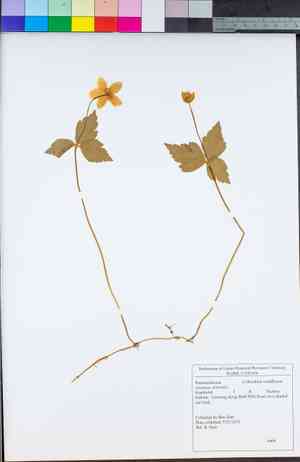
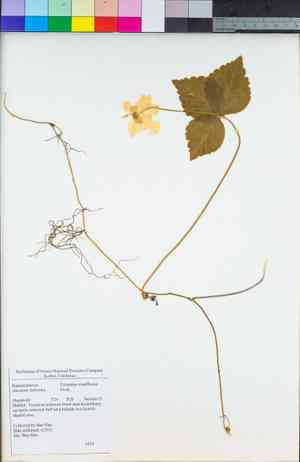
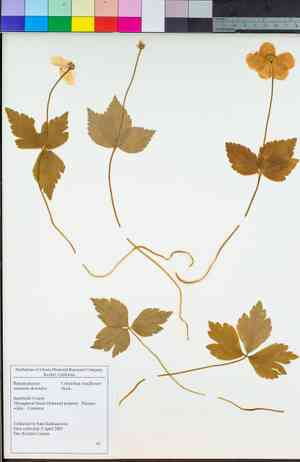
The Columbian windflower (Anemone deltoidea) is notable for its charming white or light pink flowers, often featuring a subtle yellow center, which bloom on thin, graceful stems. This perennial plant thrives in woodland settings, favoring shaded, moist habitats where it can receive dappled sunlight.

Key features include:

- **Height**: Reaches about 6-12 inches.
- **Leaves**: Deeply lobed, triangular leaves that form a basal rosette.
- **Flowers**: Bloom in early to mid-spring with 5-7 petals.

Optimal growing conditions:

- **Light**: Prefers partial to full shade.
- **Soil**: Needs moist, well-drained soil enriched with organic matter.
- **Water**: Requires consistent moisture, especially during growth periods.
- **Climate**: Best suited to temperate regions, particularly the Pacific Northwest.

The Columbian windflower is ideal for shaded garden areas, bringing a touch of delicate beauty with minimal maintenance once established.

Attributes of Columbian windflower

Lifespan
Perennial
Plant Type
Herb
Plant Height
10 cm to 25 cm
Spread
Not significant, Crown diameter is not typically measured for this herbaceous plant.
Leaf Color
Green
Flower Size
2-3 cm
Flower Color
White to pale pink

ForwardPlant - Identify plants with a snap

Identify and diagnose plants, get toxicity alerts, and explore safety guides for all types of fungi.

Try for Free

Images of Columbian windflower

Columbian windflower(Anemone deltoidea)

Quickly Identify Columbian windflower

1
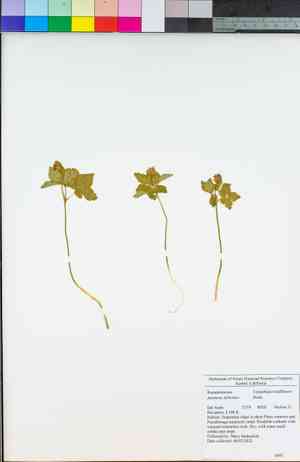
Anemone deltoidea can be identified by its white to pale pink flowers with multiple petals, and characteristic trifoliate leaves (leaves divided into three leaflets) that are sharply toothed and deltoid (triangular) in shape.

Scientific Classification of Columbian windflower

Phylum
Vascular plants
Class
Dicotyledons
Order
Ranunculales
Family
Buttercup
Genus
Windflowers
Species
Columbian windflower

Planting and Growing of Columbian windflower

Care Difficulty
Easy
Watering Schedule
Every 2 days
Sunlight Requirements
Partial sun
Sunshine Duration
6-10 hours
Ideal Temperature
65-75℉
Soil Type
Potting Mix, Peat Mix
Soil pH
5-7.5
Fertilizer Type
Balanced
Pruning Season
Spring, Summer
Pruning Area
Branches, Leaves
Pruning Frequency
2 times a year
Repotting Season
Spring
Pot Type
Plastic, Ceramic

water icon How to Water Columbian windflower?

For Anemone deltoidea, it is critical to ensure the soil stays slightly moist but never waterlogged. Water it with about 250ml each time, ensuring that the water penetrates deep into the soil but without standing water accumulating. The plant thrives when the soil moisture is consistent, aiming to mimic the natural forest floor environment where this plant is normally found.
What are the symptoms of an underwatered Columbian windflower?
What should I do if my Columbian windflower is not getting enough water?
What are the symptoms of an overwatered Columbian windflower?
How to save an overwatered Columbian windflower?

sunlight icon What Are the Sunlight Requirements for Columbian windflower?

Sunlight Requirements: Partial sun, Full shade
Duration of light: 2-6 hours daily
Anemone deltoidea ideally requires partial sun to full shade, thriving best in relatively low light. Ideal light conditions enhance leaf vibrancy and flower production and prevent stressing the plant in its lower undergrowth habitat.
What is the ideal lighting condition for Anemone deltoidea?
How to implement the ideal lighting for Anemone deltoidea?
What are the benefits of providing ideal light for Anemone deltoidea?

temperature icon What Is the Ideal Temperature Range for Columbian windflower?

Ideal Temperature: 65 ~ 75℉
The ideal temperature range of 65-75°F ensures optimal growth and photosynthesis rates for Anemone deltoidea. Maintaining this range promotes healthy foliage and flowering by providing a stable environment that mimics its natural habitat. Deviations might stress the plant, affecting its vigor and resilience.

soil icon What Soil is Best for Columbian windflower?

Soil type: Loam, Sandy loam, Acidic soil
Soil PH: 5 ~ 7.5
Anemone deltoidea thrives in well-drained soil that prevents waterlogging, crucial for root health and avoiding fungal diseases. While drainage is critical, the soil should also retain some moisture, ensuring that the plant doesn't dry out in warm weather, promoting steady growth. Rich in organic matter, the soil should provide essential nutrients that enhance the plant's growth and promote lush foliage.

fertilize icon How to Fertilize Columbian windflower?

Fertilizer type: Balanced
Anemone deltoidea benefits from a balanced approach to fertilization. A general guideline would be to use a liquid fertilizer diluted at half-strength, around 100 mL per plant if using a liquid formulation. For slow-release fertilizers, around 50 grams per plant annually is sufficient. This ensures the plant receives steady nutrients without overwhelming its root systems.

prune icon How to Prune Columbian windflower?

Pruning Time: Spring, Summer, Autumn
Start by identifying and removing any dead, damaged, or diseased leaves and stems. This keeps the plant healthy by preventing decay and the spread of disease. After clearing dead parts, shape the plant by cutting back overgrown areas. Maintain a balanced shape to ensure even growth and light exposure. When making cuts, aim to do so just above the leaf nodes. This encourages branching and more robust growth from the remaining plant. More About Pruning Techniques

propagate icon How to Propagate Columbian windflower plant?

Propagate Time: Spring, Early spring
1
Before starting the division process, examine the parent Anemone deltoidea for signs of health and vigor. Choose a plant that is robust and growing well. Avoid dividing plants that show signs of disease or are under stress to ensure successful propagation.
2
Carefully dig around the base of Anemone deltoidea with a garden spade, lifting the plant from the soil. Be gentle to avoid damaging the delicate root system. Once uprooted, shake off excess dirt and inspect the roots for any signs of damage or rot.
3
Using a sharp knife or pruning shears, divide the root mass into smaller sections. Each section should have a healthy number of roots and foliage. Ensure that each division is substantial enough for successful replanting and growth.
More About Propagating Techniques

repot icon How to Repot Columbian windflower plant?

Repotting frequency: Every 2-3 years
1
Repot Anemone deltoidea when you notice its roots filling the pot or emerging from drainage holes. Another indicator is when the soil drains too quickly or poorly. Choose spring or autumn to ensure favorable growing conditions, as roots can establish without stress from extreme temperatures.
2
Select a pot just slightly larger—1 or 2 inches in diameter—than the current one to encourage root growth without overwhelming the plant. Ensure the pot has ample drainage holes, allowing excess water to escape and preventing root rot, promoting a healthier Anemone deltoidea.
3
Opt for a loamy, well-draining soil with good organic matter content. Such soil mimics the plant's natural habitat, maintains moisture, and provides essential nutrients, fostering robust growth and minimizing the risk of waterlogging.

ForwardPlant - Identify plants with a snap

Find the best spots for them to optimize their health, simply using your phone.

Try for Free