How to Prune Large rock jasmine?
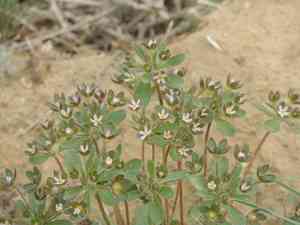
This enduring alpine species, recognized by its groupings of pinkish-white blossoms and tufts of fuzzy foliage, flourishes with infrequent trimming. For large rock jasmine, eliminate spent or withered blooms to foster a tidy look and possible subsequent flowering. Perform minor shaping in late spring or early summer to sculpt the plant and remove spent flowers. Lightly cut back once more following the summer flowering period to sustain dense development. Refrain from extensive cutting to avert damage. Trimming boosts vitality and can extend the blooming duration in large rock jasmine.
Advantages of Trimming Large Rock Jasmine
Advantages of Trimming Large Rock Jasmine
Trimming large rock jasmine promotes robust development by channeling energy to vigorous shoots. It also aids in maintaining a compact, pleasing form, crucial for garden aesthetics and space management.
Optimal Time for Trimming Large Rock Jasmine
Optimal Time for Trimming Large Rock Jasmine
Spring pruning is beneficial as large rock jasmine emerges from winter dormancy, allowing gardeners to shape the plant and remove any dead or damaged growth from winter without impacting upcoming blooms. Early Summer is suitable for trimming large rock jasmine after its initial flowering, to encourage a second bloom and maintain a dense growth habit. Fall pruning is ideal to prepare large rock jasmine for winter by removing old or spent growth, reducing the plant's energy use on non-essential foliage, and minimizing disease risk.
Tools Required for Trimming Large Rock Jasmine
Micro-Tip Pruning Snips
These small, sharp snips enable precise cuts, which is essential for large rock jasmine given the delicate nature of its tiny leaves and slender stems.
Fine Scissors
Useful for removing spent blooms and shaping large rock jasmine, as they are less likely to harm the small, dense foliage compared to larger shears.
Tweezers
Due to the small size of large rock jasmine, tweezers can be used to remove dead leaves or debris that might accumulate within the foliage without damaging the plant.
Small Hand Pruner
Perfect for occasional trimming of large rock jasmine's thicker stems or for removing faded flowers, ensuring a clean cut that fosters healthy growth.
How to Trim Large Rock Jasmine
Sanitization
Sterilize pruning tools with rubbing alcohol or a bleach solution to prevent disease transmission to large rock jasmine.
Deadheading
Gently remove faded leaves from large rock jasmine by pinching them off at the base with your fingers or small scissors to encourage new growth and prevent decay.
Inspection
Examine large rock jasmine for any signs of disease or damage beyond the withered leaves and remove any additional affected parts using the same method as in step two to maintain plant health.
Disposal
Discard the removed material away from large rock jasmine and other plants to prevent potential disease spread.
Aftercare
Monitor large rock jasmine after pruning for any signs of stress and provide appropriate care, such as watering or adjusting light exposure, to support recovery and growth.
Common Trimming Errors with Large Rock Jasmine
Overpruning
Removing too much foliage from large rock jasmine can stress the plant, leading to poor growth or reduced flowering. It's crucial not to cut back more than one-third of the plant in a single session.
Incorrect cut placement
Not making cuts in the right spot can harm large rock jasmine. Cuts should be made near the base of spent flowers or just above new leaf nodes to promote healthy new growth.
Using dull tools
Large rock jasmine requires sharp and clean pruning tools. Dull tools can crush stems and leaves, causing damage that makes the plant more vulnerable to disease.
Removing healthy growth
A common mistake is indiscriminately removing healthy growth, which can hinder large rock jasmine's flowering potential. Focus on removing dead or diseased parts and spent flowers.
Ignoring plant shape
Not considering the natural growth habit of large rock jasmine can result in an unnatural appearance. When pruning, aim to maintain the plant's natural shape for aesthetic reasons and to support its health.
General Trimming Advice for Large Rock Jasmine
Sanitization
Before and after trimming large rock jasmine, always clean tools with a disinfectant to prevent pathogen spread between plants.
Sharp cuts
Use sharp pruning shears to make clean cuts, which helps large rock jasmine recover faster and reduces disease risk.
Deadheading
Regularly removing dead or fading flowers, known as deadheading, encourages large rock jasmine to produce new blooms and redirects energy to healthy growth.
Thinning
Thin out crowded areas within large rock jasmine to improve air circulation, which helps prevent fungal infections. Thinning should be done carefully to avoid excessive open spaces in the foliage.
Post pruning care
After trimming, ensure large rock jasmine receives adequate water and nutrients to support its recovery and new growth. Adjust care based on the extent of pruning.



